
Quick Answer
Choose softer foods that require less biting while your teeth feel tender, and cut suitable foods into small pieces. Avoid hard, sticky or tough foods that can damage the appliance. Keep meals balanced and follow your treating team’s instructions. Persistent or severe pain, a broken bracket or inability to eat comfortably needs advice rather than simply extending a soft-food diet.
- Soft does not have to mean sugary or nutritionally limited.
- Cutting food reduces the need to bite through it with front teeth.
- Texture restrictions continue beyond the first week for risky foods.
Plan around tenderness without assuming every symptom is normal
Teeth can feel tender after braces are fitted or adjusted, which may make biting uncomfortable. The degree and duration vary. Start with foods you can manage and follow the advice provided by your treating clinician. A tooth that is extremely painful, an appliance cutting into tissue or discomfort that is not improving deserves a call.
Do not assume that all pain comes from normal tooth movement. A high bite contact, a loose component or another dental problem may need review. Describe whether the discomfort is general or concentrated in one place when you contact the practice.
Build meals from more than desserts
Suitable choices may include soft eggs, well-cooked vegetables, smooth soups at a comfortable temperature, soft fish, yoghurt without hard pieces and other foods that fit your dietary needs. The important features are manageable texture and adequate nutrition, not a particular brand or a rigid menu.
A week of frequent sweet drinks, ice cream and snack puddings can increase sugar exposure while plaque removal is already more challenging. Include protein, vegetables and other balanced foods you can chew comfortably. If you have medical or nutritional requirements, keep following the relevant clinician’s advice.
Change the way food is prepared
Cut food into small pieces and avoid using the front teeth to tear through a large hard item. Cook vegetables to a manageable texture and remove bones or hard fragments carefully. Some foods become suitable with preparation, while others remain risky because they are sticky, very hard or require forceful chewing.
Do not test the brace by biting something hard to see whether tenderness has passed. Feeling more comfortable does not make brackets indestructible. Ask the treating team which foods and habits should remain limited throughout treatment.
| Food characteristic | Practical approach |
|---|---|
| Hard crust or firm raw item | Avoid forceful biting; ask about suitable preparation |
| Soft cooked meal | Cut into manageable pieces |
| Sticky sweets | Avoid because they can stress components and trap sugar |
| Sugary soft snacks | Limit frequency rather than relying on them all day |
| Very hot food while sore | Choose a comfortable temperature |
Keep drinks and snack frequency in view
Water is a practical default between meals. Frequent sugary or acidic drinks can expose the teeth around brackets to repeated challenges. The issue is not only the total amount but also sipping over long periods. Sports drinks and sweetened teas can be easy to overlook.
If you need snacks because meals are smaller at first, plan options that fit your nutritional needs and oral-care advice. Avoid grazing continuously on sweet foods because chewing is uncomfortable. Speak to the team if pain prevents normal intake rather than allowing the diet to become increasingly restricted.
Clean after eating without damaging the brace
Food can collect around brackets and wires. Use the brushing and interdental routine demonstrated by the dental team, with fluoride toothpaste and suitable tools. A quick swish with water can dislodge loose food but does not replace effective cleaning.
Do not scrape around brackets with sharp objects or force a brush through a space that does not fit it. If a particular area remains difficult, ask for a technique check. The first week is a useful time to establish habits that will protect the teeth throughout treatment.
5 practical ways to organise meals with new braces
The first shopping trip after braces are fitted can feel restrictive if every familiar meal seems to contain something crunchy or chewy. Start with the meals you already enjoy and consider whether their texture or preparation can be adapted. A comfortable meal does not have to consist only of sweet snacks or drinks. Your orthodontic team's advice, your appetite and any existing dietary requirements should guide the choices, especially while you learn what feels manageable.
Planning for school or work is often harder than eating at home. You may need food that travels well, a place to eat without rushing and a small cleaning kit for afterwards. Prepare those details before the next busy day rather than relying on whatever is available. If eating remains difficult, symptoms worsen or you think a bracket has broken, contact the practice. A softer menu can help with practical comfort, but it should not be used to ignore a problem with the appliance.
- Choose a few familiar softer meals. Consider options such as porridge, eggs, soft cooked vegetables or suitable pasta dishes, adapted to your dietary needs and the team's instructions.
- Adjust preparation rather than forcing a bite. Cut food into manageable pieces and avoid testing a hard item simply to see whether the braces can tolerate it.
- Pack meals with texture in mind. Check that a lunch remains comfortable to eat once cooled, and include utensils if they make the food easier to manage.
- Plan drinks and snacks deliberately. Avoid replacing normal meals with frequent sugary sipping just because chewing feels unfamiliar during the early adjustment to the appliance.
- Keep cleaning supplies accessible. Follow the routine you were shown and ask for help if food repeatedly collects in an area you cannot reach comfortably.
Know when to ask for help
Contact the treating practice if a bracket loosens, a wire rubs, a sore area worsens or eating remains very difficult. Describe the problem and ask whether an earlier appointment is needed. A temporary food adjustment cannot correct an appliance fault.
Can you return to all normal foods once tenderness settles? Some hard or sticky foods remain risky for braces. Is chewing gum suitable? Follow the specific appliance advice rather than assuming it is safe. Does a soft diet prevent all discomfort? No; it may make eating easier while the team assesses any unusual symptoms.
Prepare a few practical meals before fitting day and keep the aftercare instructions nearby. This helps you adapt without unnecessary restrictions and gives you a clear route to advice if the first week is harder than expected.
The braces guide explains the wider treatment commitment. Cleaning fixed braces covers the routine after meals, and loose brackets or poking wires explains when a food-related problem needs attention. Protecting the teeth throughout treatment also matters, so read about preventing white spots around braces as part of your everyday plan.
- Check soups and other meals for unexpected hard pieces rather than assuming every food with a soft overall texture is suitable for your appliance.
- Tell a parent, partner or school carer about the food advice so meals prepared by someone else follow the same practical precautions.
- Avoid using front brackets as a test of whether a food is too hard; preparation and the clinician's instructions are safer guides.
- If discomfort prevents adequate eating or drinking, speak to the treating team rather than extending a very limited diet without advice or review.
Internal Links
Related dental care
Sources
Useful information
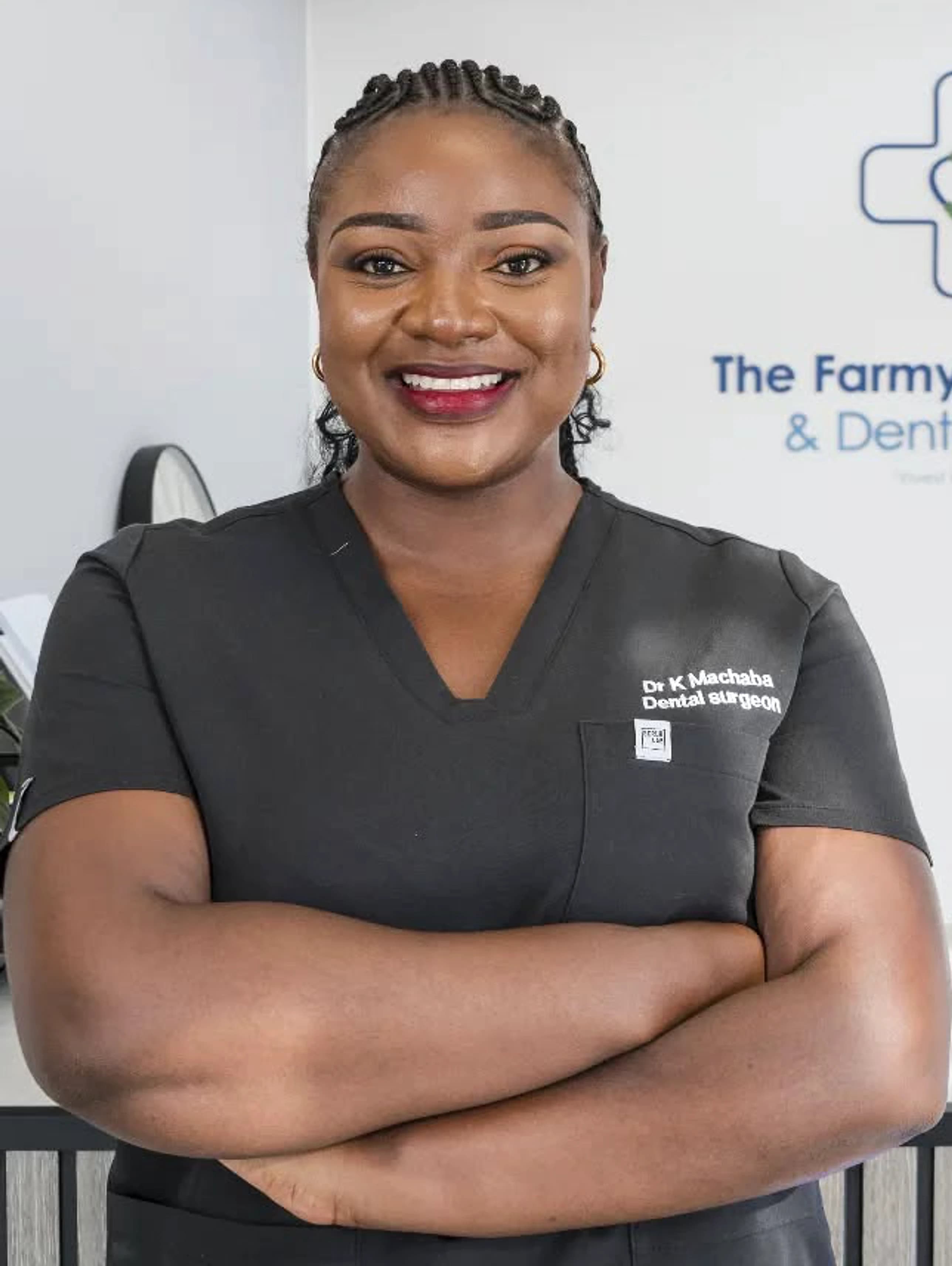
Written by
Dr. Kholofelo Machaba-SelatoleChief Dentist & Practice Director
Dr. Kholofelo Machaba-Selatole leads Smile On Dental & Aesthetic Studio with a warm, patient-focused approach to family, restorative, cosmetic, and orthodontic care.
View Profile