Quick Answer
Clean the teeth above and below brackets, along the gumline and between teeth using the tools demonstrated by your dental team. Fluoride toothpaste remains important. Interdental brushes or a suitable floss technique may help reach areas a toothbrush misses. Bleeding, swelling or persistent plaque should prompt a technique and gum-health review, not abandonment of cleaning.
- Brushing the brackets alone misses important tooth surfaces.
- Tool size and technique matter more than collecting products.
- Continue routine dental care during orthodontic treatment.
Break the mouth into areas you can check
Braces introduce obstacles, so a quick pass over the front of the teeth is unlikely to clean every surface. Think about the gumline, the tooth above and below each bracket, the inner surfaces and the chewing surfaces. Work in a consistent order so difficult areas are not repeatedly skipped.
Ask the team to demonstrate the brush angle and pressure appropriate to your appliance. Gentle, deliberate cleaning is more useful than forceful scrubbing. An electric brush can be suitable for some patients, but it still needs to be guided to the correct areas rather than held only over the brackets.
Use fluoride toothpaste as instructed
Keep fluoride toothpaste in the routine and follow the clinician’s advice about frequency and any additional products. A mouthwash cannot replace the mechanical removal of plaque. If a rinse is recommended, ask when to use it so it fits the rest of the plan.
Do not add a strong antiseptic rinse indefinitely without advice because the gums bleed. The cause needs assessment, and some products are intended for a specific course rather than unrestricted long-term use. Bring the products you already use if the routine has become confusing.
Clean beneath the wire and between teeth appropriately
Interdental brushes can help around wires and in suitable spaces, but they must fit comfortably. Floss threaders or other methods may be useful where conventional floss cannot pass directly. The correct method depends on the appliance, the size of the spaces and your ability to manage the tool.
Do not force a brush between teeth or use the wire as a lever. Ask the clinician to watch you use the selected tool. A technique that looks easy in a demonstration can be awkward in a back corner of your own mouth, and small adjustments can make it more practical.
| Area | What to ask the team to demonstrate |
|---|---|
| Gumline | A gentle angle that reaches plaque |
| Around brackets | Cleaning above and below the attachment |
| Under the wire | An appropriate interdental brush |
| Between teeth | A suitable floss or interdental method |
| Back teeth | Access without excessive pressure |
Check the result rather than relying on time alone
A timer supports consistency, but effective cleaning is about coverage. Look for remaining food and plaque around the gumline and brackets. A disclosing product may sometimes be recommended to show missed areas; ask whether it is appropriate and how to use it.
If gums remain swollen, bleed repeatedly or become painful, arrange a review. Inflammation can make cleaning unpleasant, but avoiding the area indefinitely can worsen the cycle. The dentist or hygienist can assess the tissues, remove deposits where needed and adjust the home routine.
Connect cleaning with food and drink habits
Frequent sweet or acidic drinks can challenge the enamel around brackets even when the appliance itself looks clean. Review sipping habits, sports drinks and snacks between meals. White areas around brackets can be an early sign of mineral loss and should be assessed rather than covered with whitening products.
Keep appropriate foods and cleaning equipment available at school or work. A compact kit may help, but avoid turning the routine into something so complicated that it is abandoned. Agree on a realistic plan for days when meals happen away from home.
5 checkpoints for a more effective braces-cleaning routine
It is possible to spend longer brushing with braces and still miss the same small areas each day. Brackets and wires change the angles you need to reach, so a useful review focuses on technique as well as time. Ask the dental team to show you the places where plaque remains and to watch you try the method. A specific correction is easier to apply at home than being told only to brush more thoroughly.
Build the routine around your real schedule. Someone who leaves early for school or finishes work late may need supplies in more than one place. A compact travel kit can make cleaning after meals more practical, but the tools should be the ones recommended for your appliance and mouth. If bleeding, soreness or a broken component makes cleaning difficult, tell the team. Avoid abandoning the area altogether or compensating by scrubbing harder against irritated gums.
- Check the gumline as well as the brackets. Ask how to angle the brush so cleaning reaches the tooth surfaces above and below the appliance.
- Use the recommended aids between difficult areas. Confirm the size and technique for any interdental brush or floss aid instead of forcing a tool through resistance.
- Work in a consistent order. Following the same route around the mouth can make it easier to notice whether the back teeth or inner surfaces were missed.
- Inspect the result in good light. Look for obvious trapped food and ask the team how to assess your technique without scraping or probing around the brackets.
- Review the routine at appointments. Bring questions about awkward areas and tell the clinician which steps are difficult so advice can be adjusted to your needs.
Keep both dental and orthodontic reviews
Orthodontic adjustment visits do not automatically replace routine dental examinations and professional cleaning. Ask who is monitoring decay and gum health and how the two teams will coordinate if different clinicians are involved. Report broken components promptly because they can also complicate cleaning.
Is a water flosser a complete substitute? Its role should be discussed for your particular needs; it does not automatically replace every other method. Should bleeding gums be scrubbed harder? No; use an appropriate gentle technique and arrange assessment. Can plaque be removed from around brackets with a sharp tool? Do not attempt that at home.
A good routine uses a manageable set of tools, reaches the difficult surfaces and is reviewed when conditions change. Ask for another demonstration whenever the appliance or your ability to clean it changes.
Our oral hygiene and dental cleaning pages support the preventive side of care. The article on white spots around braces explains why missed plaque matters, while cleaning around a fixed retainer looks ahead to a different appliance after treatment. Your current orthodontic instructions remain the guide for the brace you are wearing now.
- Replace worn cleaning tools as advised; a brush that has lost its shape may be harder to direct accurately around brackets and along the gumline.
- Keep normal dental reviews in your plan, because orthodontic adjustments and preventive dental care have related but different purposes during treatment.
- Ask about fluoride toothpaste and any additional products recommended for you rather than adding several mouthwashes without understanding how they fit together.
- If another person helps with brushing, invite them to learn the technique too so the advice is consistent when you practise at home.
Internal Links
Related dental care
Sources
Useful information
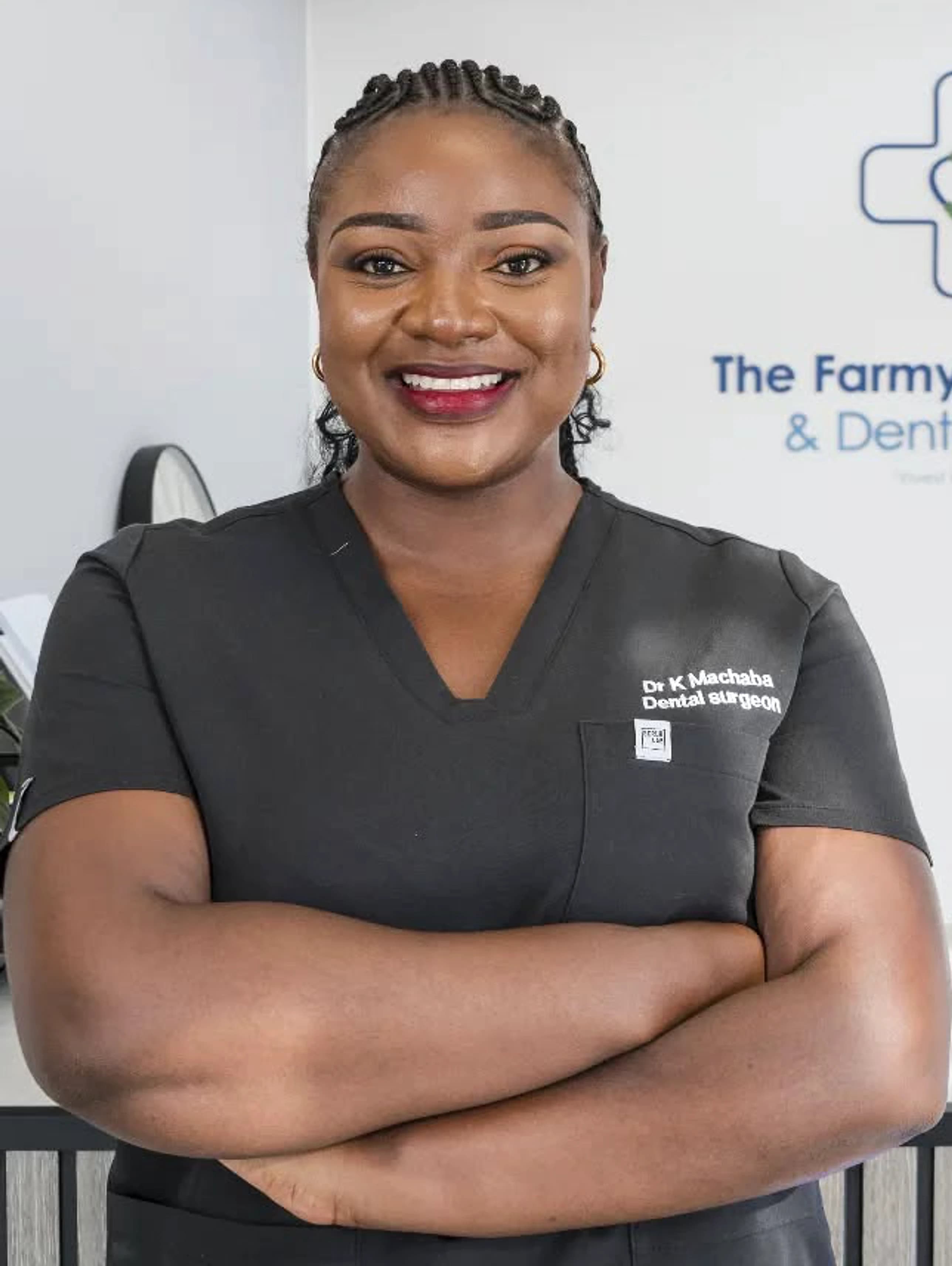
Written by
Dr. Kholofelo Machaba-SelatoleChief Dentist & Practice Director
Dr. Kholofelo Machaba-Selatole leads Smile On Dental & Aesthetic Studio with a warm, patient-focused approach to family, restorative, cosmetic, and orthodontic care.
View Profile