Quick Answer
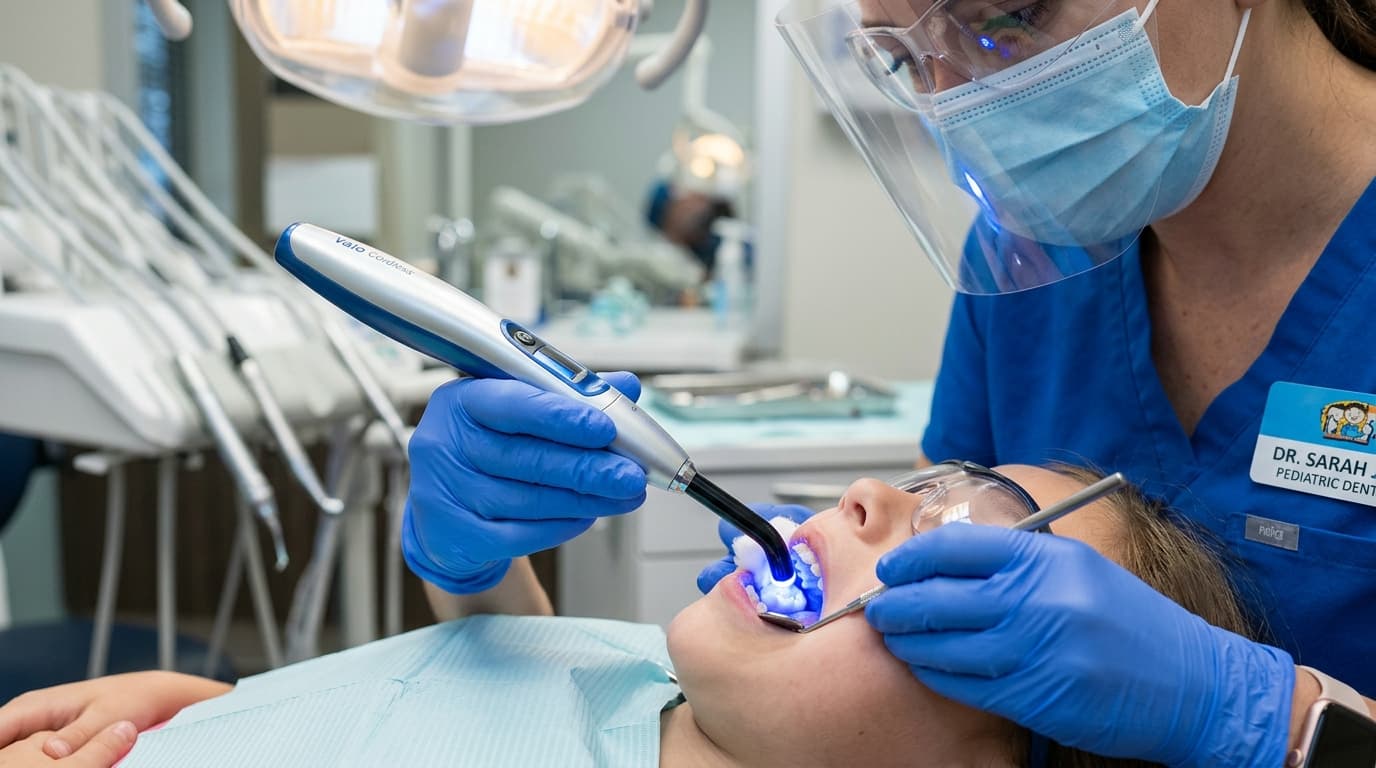
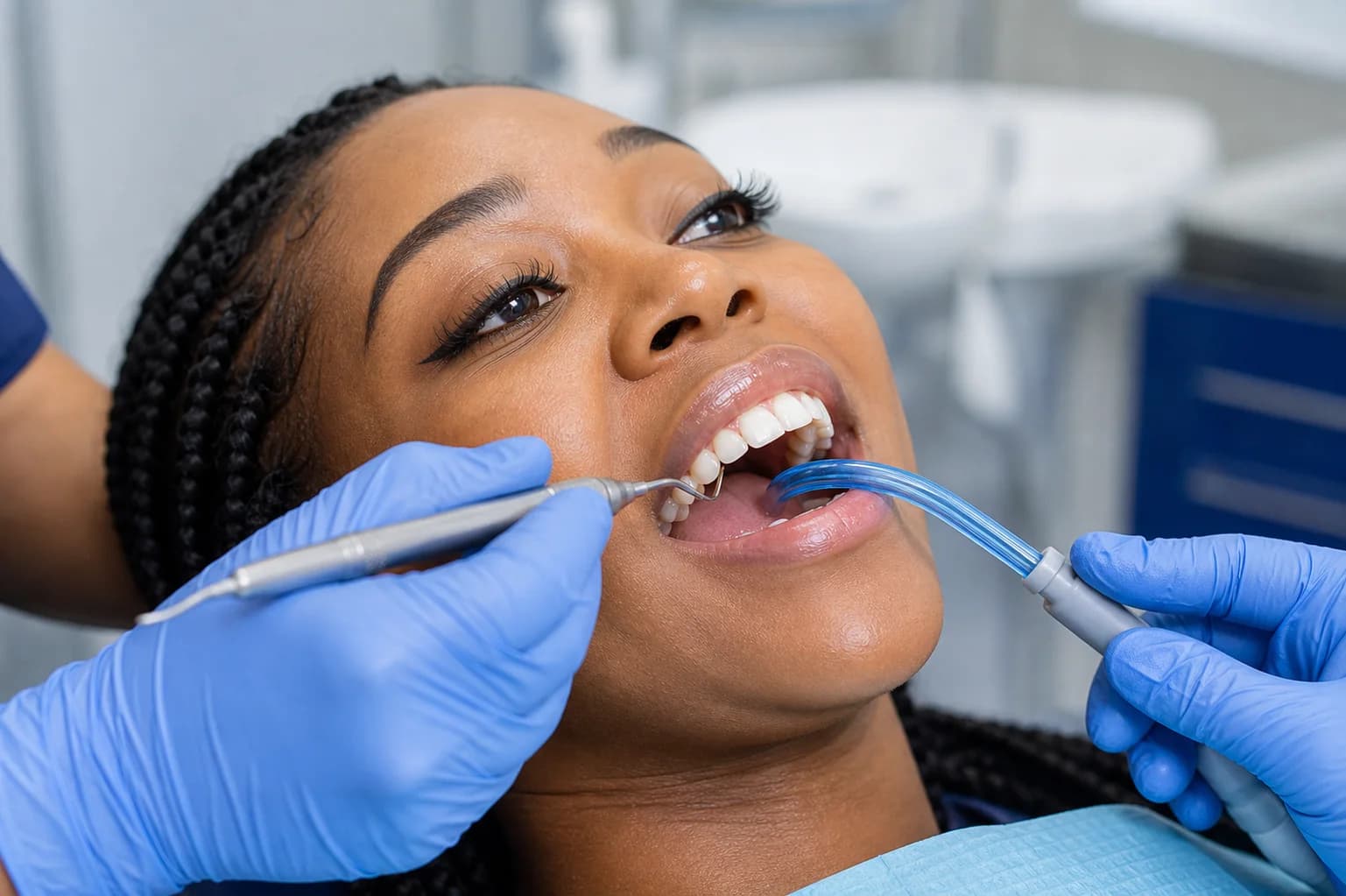
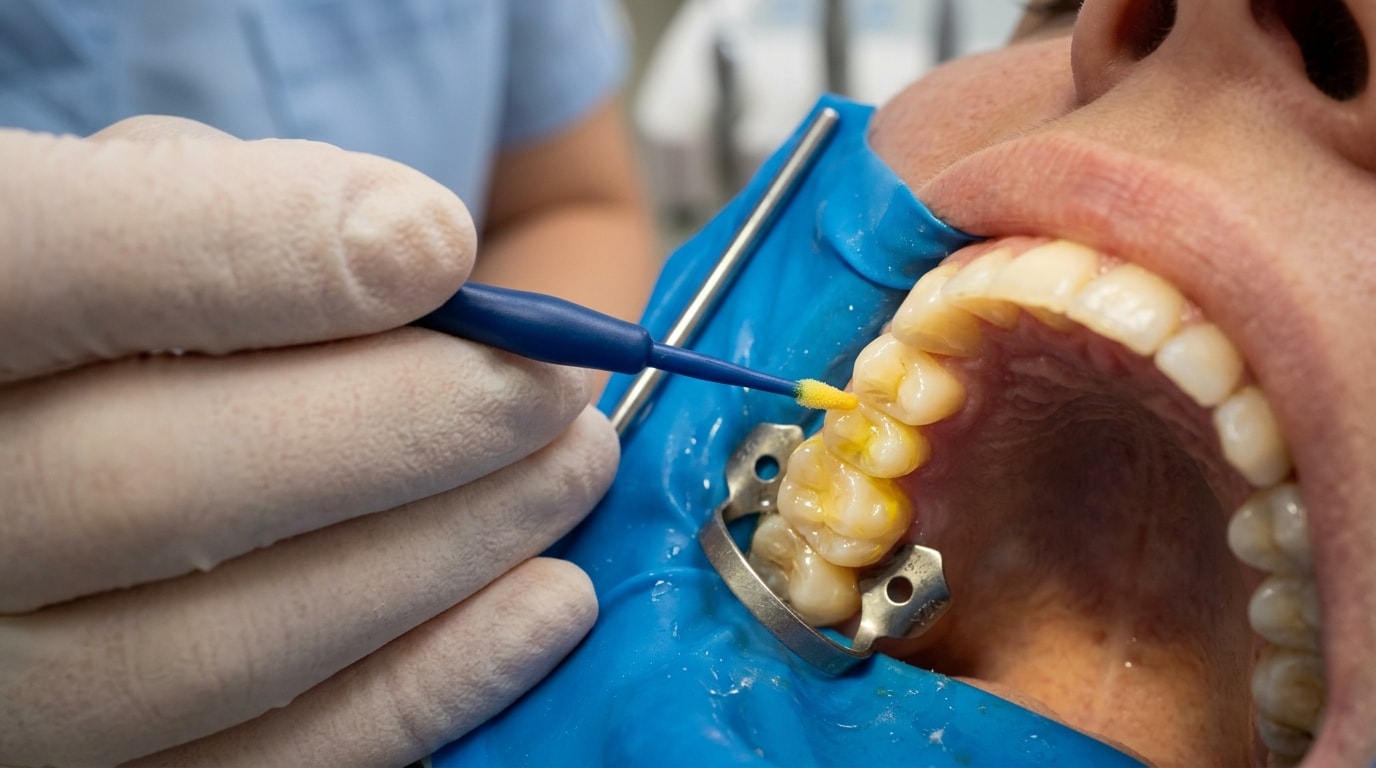
Fluoride toothpaste provides regular everyday protection, while professional fluoride varnish is an additional targeted preventive treatment. A dentist may recommend both when the risk of decay justifies extra protection. Varnish does not replace brushing, repair every cavity or guarantee that decay will not occur. The appropriate product, timing and follow-up depend on the individual assessment.
- Daily toothpaste remains the foundation.
- Professional fluoride is added according to risk.
- Aftercare depends on the specific product used.
Two methods with different jobs
A useful way to understand the difference is to look at frequency and control. Toothpaste is used at home as part of a repeated daily routine. Varnish is applied in a dental setting according to a prevention plan. They expose the tooth surface to fluoride in different ways and are not simply interchangeable versions of the same appointment.
The reason to combine them is to support teeth that need additional protection, not to reward poor brushing with a stronger substitute. Ask the dentist to identify the actual risk they are addressing. The recommendation should connect to findings such as recent decay, vulnerable surfaces or difficulty maintaining protective habits.
Who may benefit from additional protection
Children with recent cavities are one group who may be considered for additional fluoride. Adults can also have higher risk, including people with persistent dry mouth or exposed root surfaces. A person’s need can change over time as medicines, health, diet and oral-care ability change.
Extra treatment should not be assumed necessary for everyone at every visit. Conversely, good-looking teeth do not rule out risk on hidden or hard-to-clean surfaces. A history of repeatedly needing fillings may be a reason to review prevention rather than simply continue repairing new damage.
What fluoride can and cannot do
Fluoride supports the balance between mineral loss and repair in tooth surfaces and helps reduce decay risk. Early changes may be managed through preventive care when the dentist judges them suitable. A physical hole, a broken filling or an infected tooth requires its own assessment; painting varnish over the area is not a universal solution.
This distinction matters when a patient wants to avoid treatment. Ask whether the area is an early lesion that can be monitored or an established cavity needing repair. If monitoring is chosen, there should be a clear review plan rather than an open-ended instruction to wait until pain occurs.
| Approach | Main role | Still needed |
|---|---|---|
| Fluoride toothpaste | Regular home protection | Effective brushing and appropriate use |
| Professional varnish | Additional prevention when indicated | Daily care and follow-up |
| Fissure sealant | Protect suitable chewing grooves | Checks for sealant integrity |
| Restorative treatment | Manage lost or damaged tooth structure | Control the causes of future decay |
What to mention before varnish is applied
Tell the dentist about allergies, previous reactions to dental products, relevant medical conditions and any other fluoride products being used. Product ingredients vary, so a previous reaction should be discussed rather than dismissed because the treatment is brief. Bring the names of prescribed toothpaste or mouth rinses if you use them.
Ask what will happen during application and what the coating may feel like afterwards. A temporary change in surface feel or appearance can depend on the product. Knowing what to expect prevents unnecessary scrubbing to remove it or anxiety when the teeth do not immediately feel the same.
Follow the product-specific aftercare
Eating, drinking and brushing advice can vary between varnishes. Follow the instructions supplied by the treating team rather than a generic time limit found online. If the instructions are unclear, ask before leaving or contact the practice. Do not assume that another family member’s previous instructions apply to the product used today.
Keep the wider prevention plan going. Frequent sugary drinks, missed brushing and persistent dry mouth can continue to challenge the teeth between applications. Professional fluoride is one component of care; it is most useful when the day-to-day conditions causing decay are also addressed.
5 questions that connect varnish to your prevention plan
Being offered fluoride varnish can sound contradictory to someone who already uses fluoride toothpaste carefully. The recommendation becomes easier to assess when the dentist points to a specific concern, such as a pattern of recent lesions or a surface that needs additional protection. Ask for that connection. It turns a product recommendation into a discussion about what risk is being managed and how success will be judged.
Keep a distinction between professional application and the habits between visits. A patient may receive varnish while continuing to sip a sweet drink all afternoon because it helps a dry mouth. Another may have excellent dietary habits but struggle to reach one area. The additional treatment may be useful, but each person still needs a different practical change. A prevention plan should identify that difference rather than give everyone the same shopping list.
- Ask which finding makes additional fluoride worthwhile. The answer should relate to your teeth, current risk or dental history, not only to the availability of the product.
- Confirm what the treatment is expected to do. Separate prevention or early-lesion management from repairing a physical cavity or investigating a painful tooth.
- List the products already used at home. Include prescribed toothpaste and rinses so the dentist can give one coherent set of instructions.
- Clarify aftercare for the actual varnish. Ask about food, drinks and brushing, and keep the written instructions rather than borrowing another patient’s timing.
- Arrange a review that checks more than comfort. Ask how tooth surfaces, new decay and the practicality of the home routine will influence the next recommendation.
Questions that help you judge the recommendation
Ask which teeth or surfaces are at risk, what benefit is expected and how the response will be checked. Clarify whether the treatment is recommended once or as part of a recurring plan, and what could change that interval. Confirm the fee with the practice rather than assuming it is included in a consultation.
Is varnish only for children? No; adults may also be candidates based on their risk. Does receiving varnish mean you should stop fluoride toothpaste? Usually it remains part of the routine, but follow your individual instructions. Can it reverse a large cavity? It cannot rebuild missing tooth structure.
At Smile On Dental, a prevention discussion can be linked to the examination findings and the products you already use. Bring your questions and ask for a written home-care plan if several products or different family routines are involved.
For the everyday foundation, read about oral hygiene and the amount of fluoride toothpaste appropriate for children where relevant. If protection of a back-tooth groove is the concern, the fissure-sealant guide explains the different role of a physical coating, helping you compare the purpose of each recommendation.
- Before application, mention previous product reactions and allergies so the clinician can check ingredients and suitability.
- When comparing fees, confirm whether the recommendation includes a single application or an ongoing prevention plan with separate reviews.
- If early decay is monitored, record which area is being watched and the change that would lead to a different treatment.
- If the routine feels complicated, ask which daily steps are essential and which products are specifically prescribed for your situation.
Internal Links
Related dental care
Sources
Useful information
Written by
Dr. Kholofelo Machaba-SelatoleChief Dentist & Practice Director
Dr. Kholofelo Machaba-Selatole leads Smile On Dental & Aesthetic Studio with a warm, patient-focused approach to family, restorative, cosmetic, and orthodontic care.
View Profile