Quick Answer
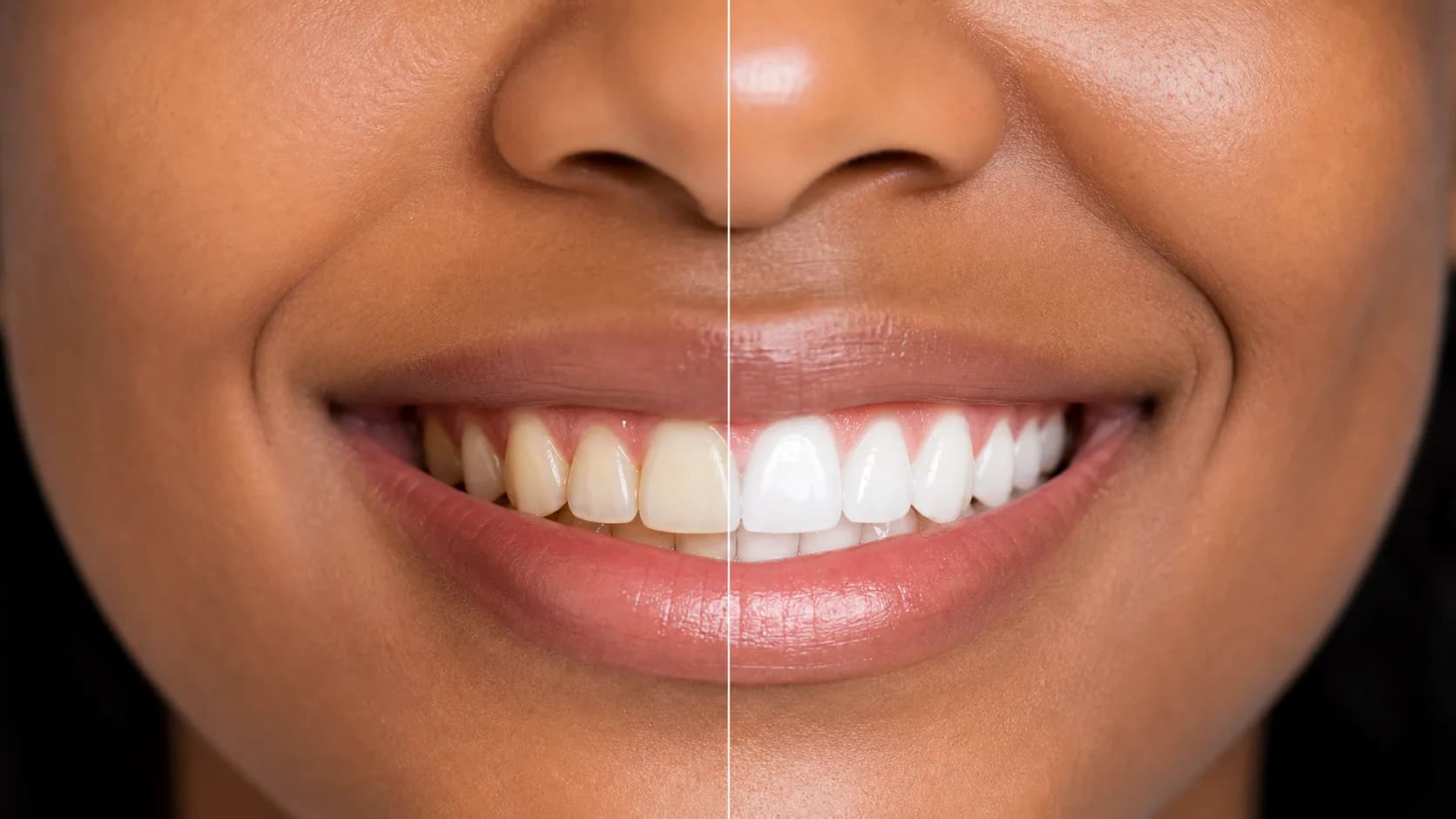
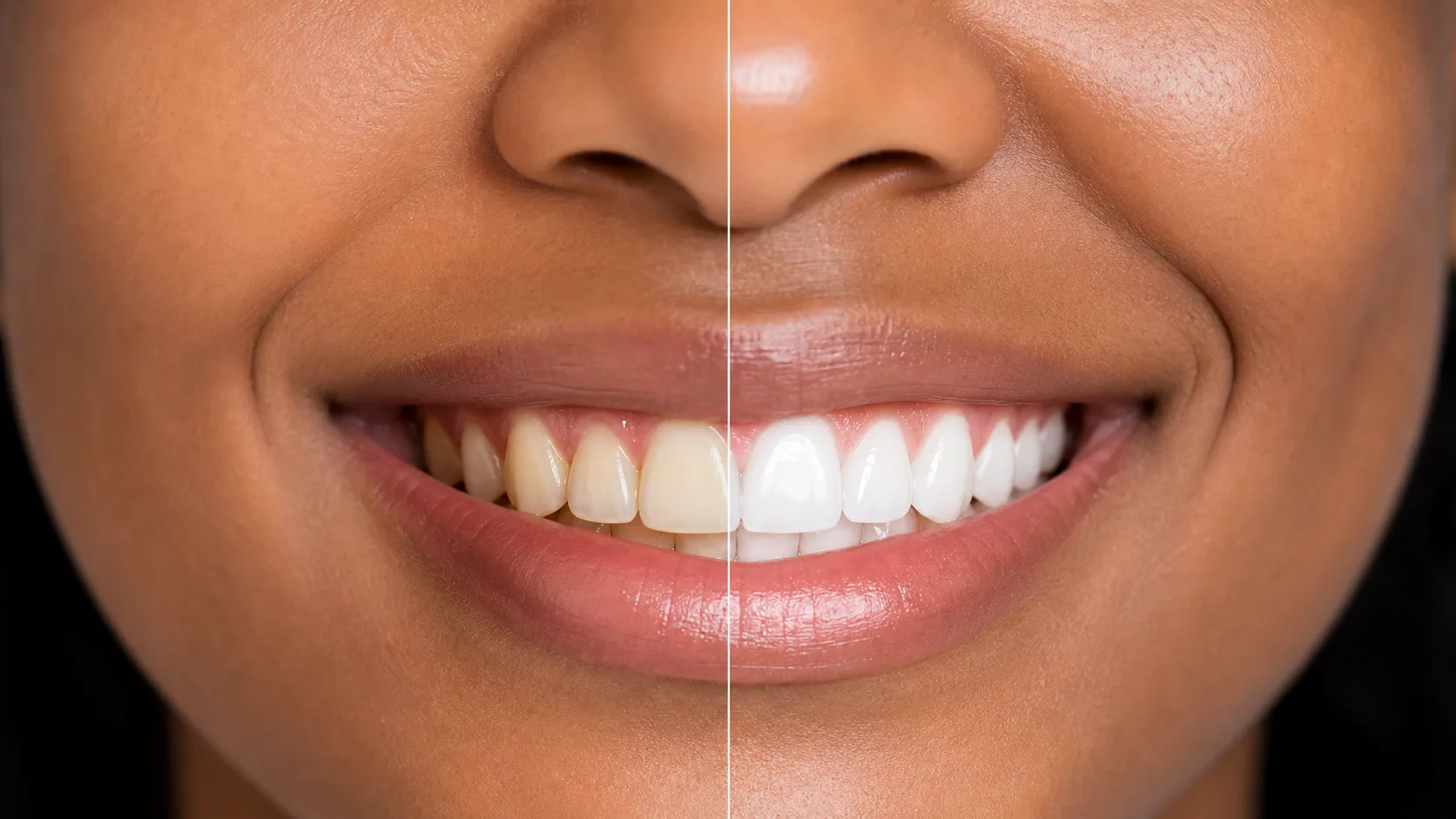
Professional whitening may lighten natural teeth when the colour and oral-health assessment make it suitable, but healthy teeth can naturally have a yellowish shade. Surface stains, intrinsic colour and restorations respond differently. The first step is to identify the cause and agree on realistic expectations. A specific final shade cannot be guaranteed for every patient.
- Natural yellowish colour does not automatically mean unhealthy teeth.
- Cleaning and whitening address different aspects of appearance.
- The likely benefit depends on the starting condition.
Healthy and bright white are not the same thing
Tooth colour varies between people. The shade of the underlying dentine, enamel characteristics, age and previous dental history can all influence appearance. A healthy natural smile may look warmer or more yellow than edited advertising images. The goal should not be based on the assumption that white is proof of health.
If you are unhappy with the shade, it is reasonable to ask about options. The assessment should establish whether the concern is mainly surface stain, natural colour or a change affecting a particular tooth. Those distinctions prevent a cosmetic request from becoming a one-size-fits-all product recommendation.
Check whether cleaning addresses the main concern
Coffee, tea, tobacco and other exposures can contribute to external staining. Professional cleaning may improve certain surface deposits and stains where appropriate. It does not necessarily change the underlying natural shade, so its effect is different from whitening.
Ask what improvement cleaning alone is likely to provide. If the teeth are already clean and the concern is their natural colour, repeating polishing sessions may not achieve the desired result. The dentist can explain whether whitening is a suitable separate step.
Understand what whitening is intended to change
Whitening uses an appropriate bleaching approach to alter colour in natural teeth. The response varies and depends on the cause and starting shade. It does not straighten teeth, repair damaged enamel or predictably change the colour of crowns, veneers and fillings.
A tooth that is much darker than its neighbours needs assessment before it is treated as ordinary yellowing. Tell the dentist about previous injury, root canal treatment and any new symptoms. Whitening should follow the diagnosis rather than be used to discover it by trial and error.
| Main concern | Useful first discussion |
|---|---|
| Surface stain | Whether cleaning may help |
| Even natural yellowish shade | Whitening suitability and realistic change |
| One dark tooth | Investigate its history and health |
| Visible restorations | Possible colour mismatch |
| Irregular shape or spacing | A separate assessment of those concerns |
Choose expectations you can evaluate realistically
Discuss the result in normal lighting and in relation to your existing dental work. Photographs and shade records can help, but they should not be used to promise an identical result to someone else’s treatment. The brightest achievable shade is not automatically the most suitable goal.
Ask what happens if the response is more modest than hoped. Increasing concentration, wear time or the number of products without advice can increase irritation. A plan needs limits and a review point, not an open-ended instruction to keep bleaching until you are satisfied.
Factor in comfort, maintenance and existing work
Mention sensitivity, gum problems and previous reactions. The dentist may recommend preliminary care or a modified approach. If front restorations are present, discuss whether they will remain acceptable if surrounding teeth lighten. Replacing sound work solely for colour should be a considered decision.
Whitening results are not permanent. Habits, ageing and the original colour cause can affect appearance over time. Ask what maintenance is appropriate, but avoid assuming frequent touch-ups are automatically needed or harmless. Any repeat course should fit the product and clinical advice.
5 questions to separate healthy colour from a treatment need
You may feel that your teeth look yellow even when they are comfortable and you maintain a consistent cleaning routine. That appearance alone does not establish disease or mean that you must whiten them. A consultation can help distinguish your natural shade, surface staining and other causes of colour change. The decision about whitening then becomes a considered cosmetic choice, supported by an examination, rather than an attempt to meet a colour standard set by edited photographs.
Try to describe the concern in everyday terms. Perhaps your teeth look darker in photographs, or you notice a difference between natural teeth and an old crown. Those details help the dentist discuss whether whitening is likely to address what actually bothers you. It is also reasonable to decide that the expected improvement is not worth the cost, sensitivity risk or maintenance for you. Healthy teeth do not need to reach a particular shade to be acceptable.
- Ask what explains the colour. The dentist can assess whether the concern involves normal shade, surface stain, restorations or a change that needs further investigation.
- Check whether the teeth and gums are ready. Any recommended care should be explained before a whitening course is chosen or a cosmetic result is discussed.
- Describe your preferred degree of change. Use a realistic discussion in normal light instead of asking the dentist to reproduce an online image with unknown editing.
- Review the whole visible smile. Existing fillings, veneers and crowns may respond differently from natural teeth, so include them when considering the balance of the result.
- Compare the decision with doing nothing. Ask about likely limitations, ongoing care and costs so you can choose whether the optional treatment fits your priorities.
Questions before starting
Ask what causes the colour, whether the teeth and gums are suitable, what change is realistic and which parts of the smile will not respond. Confirm the method offered, instructions, review and total planned fees. Mention an event deadline early rather than using it to rush the decision.
Does yellow always indicate poor brushing? No. Can whitening make every tooth identical? No; natural variation and restorations can remain. Is treatment necessary if the teeth are healthy? Cosmetic whitening is a preference, not a requirement for a healthy mouth.
A suitability assessment at Smile On Dental can help you decide whether the likely benefit is worthwhile for your own goals, with dental health, comfort and maintenance included in the discussion.
Professional teeth whitening begins with suitability, which our dental check before whitening guide explains. For expectations, read how white teeth can safely become. If dental work is visible when you smile, whether fillings, crowns and veneers whiten is another useful question to address before choosing a cosmetic treatment plan.
- Do not scrub harder to remove a natural tooth shade; cleaning technique should protect teeth and gums rather than try to abrade them lighter.
- Mention a recently darkened single tooth separately from a generally yellow smile, particularly if there was an injury or a change in symptoms.
- Bring details of whitening products already used so the consultation considers previous exposure and any discomfort rather than starting from an incomplete history.
- Avoid setting your goal by another person's result; tooth colour, dental work and treatment response vary, and a specific final shade should not be promised.
Internal Links
Related dental care
Sources
Useful information
Written by
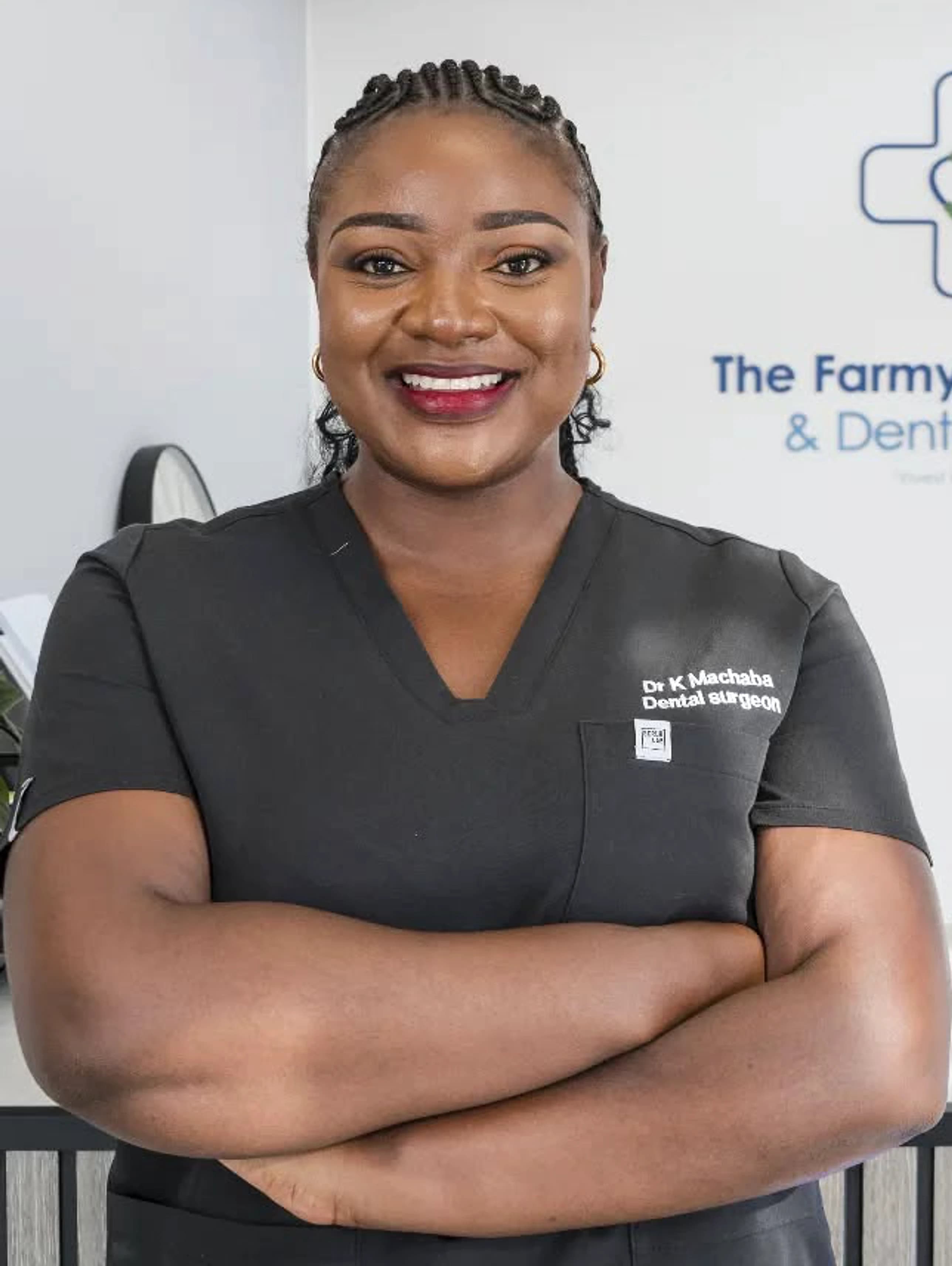
Dr. Kholofelo Machaba-SelatoleChief Dentist & Practice Director
Dr. Kholofelo Machaba-Selatole leads Smile On Dental & Aesthetic Studio with a warm, patient-focused approach to family, restorative, cosmetic, and orthodontic care.
View Profile