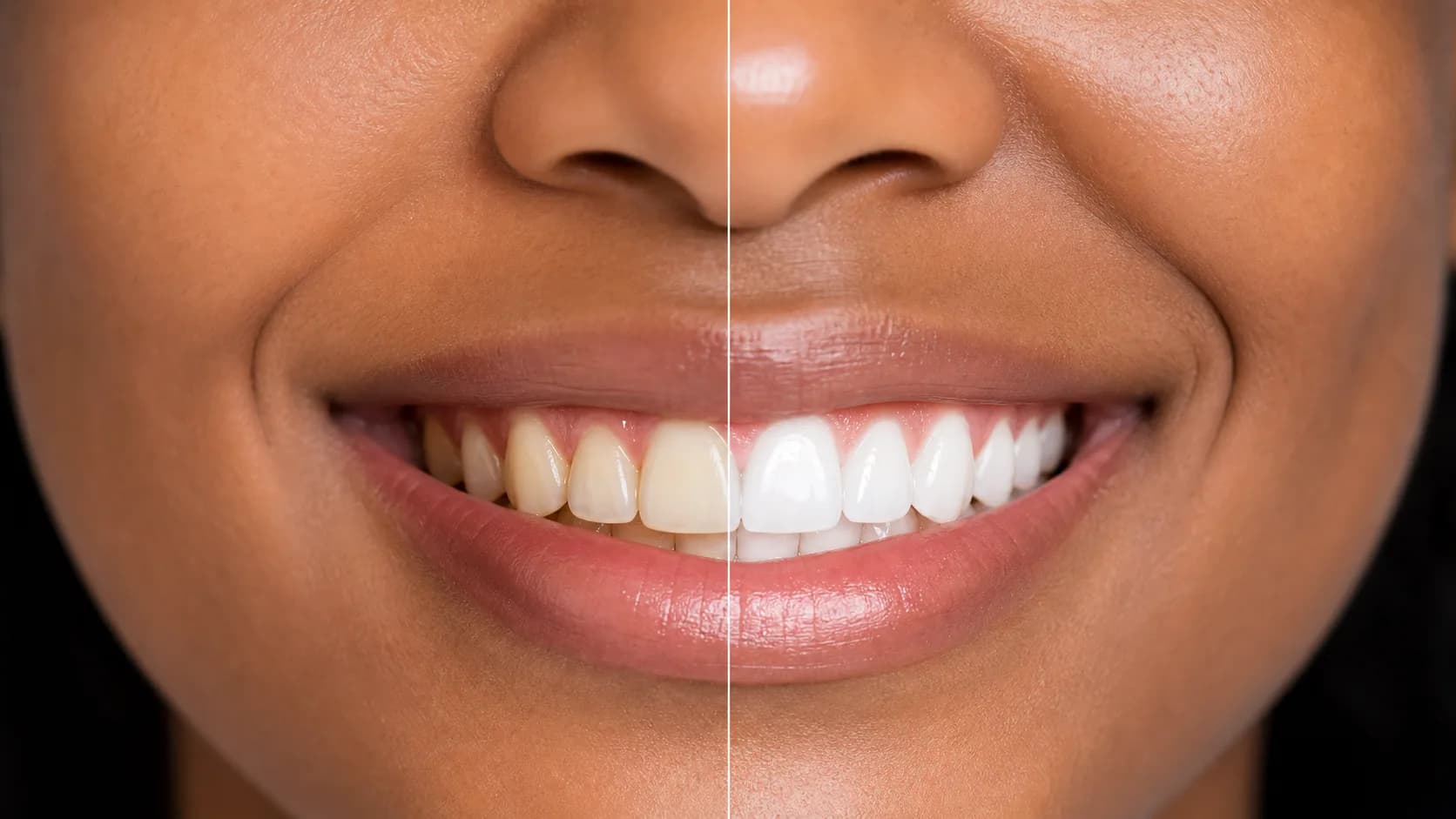

Quick Answer
A pre-whitening assessment checks whether the teeth and gums are healthy enough for treatment and whether the colour concern will respond as expected. Cavities, cracks, exposed roots, gum inflammation and existing restorations can affect the plan. Treating or understanding those findings first reduces avoidable surprises. Whitening changes colour; it does not treat the underlying causes of dental pain or disease.
- A painless mouth is not automatically ready for whitening.
- One dark tooth may need a different diagnosis from general staining.
- Existing restorations can limit the cosmetic result.
A colour concern may have more than one cause
Yellow or dark teeth are not all the same problem. Surface stain, the natural colour of dentine, an old restoration and changes following injury can produce different appearances. A product that helps one situation may do little for another. The first useful question is what is causing the colour, not which gel is strongest.
Tell the dentist when the change appeared and whether it affects one tooth or several. Mention previous trauma, root canal treatment and any whitening already attempted. If the colour changed with pain or swelling, that history takes priority over the cosmetic goal.
Why decay and cracks matter
A tooth with a cavity, a damaged margin or a crack needs assessment in its own right. Whitening is not a method of disinfecting or repairing it. Sensitive areas and exposed dentine may also change how comfortably treatment can be undertaken. The appropriate sequence depends on the findings.
The dentist may recommend treatment, monitoring or a change to the whitening plan. Ask which issue needs attention first and why. Do not cover up symptoms with repeated pain relief and continue whitening simply because you have already paid for a course or want to meet an event deadline.
Gum health is part of whitening suitability
Inflamed or sore gums should be discussed before whitening gel is used. The assessment can distinguish a cleaning or gum-care need from a cosmetic colour concern. A tray that does not fit appropriately or excess gel contacting the gums can also contribute to irritation during treatment.
Professional oversight does not mean side effects are impossible. It provides an opportunity to select an appropriate approach, explain use and respond when symptoms occur. Ask what level of discomfort should prompt you to pause and how to contact the team if you are using a prescribed product at home.
| Finding | How it may change the plan |
|---|---|
| Active decay or a failing filling | Dental treatment may come first |
| Gum inflammation | Gum care and reassessment may be needed |
| Exposed roots or sensitivity | Discuss suitability and product use |
| Visible crowns or bonding | Plan for a possible shade mismatch |
| One dark tooth after injury | Investigate the cause before cosmetic treatment |
Existing dental work needs a shade plan
Crowns, veneers, fillings and implant crowns do not whiten like natural teeth. If surrounding teeth lighten, an otherwise acceptable restoration may become more noticeable. This does not mean all existing work should be replaced, but the possibility belongs in the discussion before treatment.
If new bonding or a crown is planned, ask how whitening affects the sequence and shade selection. The dentist may need to coordinate several steps and allow time between them. Separate bookings with different providers can make this harder unless records and plans are shared appropriately.
What information to bring
List medicines, health conditions, allergies and previous reactions to dental products. Tell the dentist if you are pregnant or breastfeeding, since that can affect the advice about elective whitening. Bring the packaging or name of products purchased online rather than describing them only as whitening gel.
State the result you hope for and any deadline. Ask whether cleaning alone might address the main concern, what change is realistic and whether further treatment would be optional or necessary. Clear expectations can prevent disappointment even when the whitening itself is technically successful.
5 things to bring to a whitening consultation
A whitening appointment is more useful when the dentist knows what you have already tried and what has changed. For example, a patient might describe a generally darker smile but then mention one tooth that recently became grey after an injury. Those are different concerns. The examination helps separate a cosmetic preference from a tooth that needs investigation, and it prevents the same whitening recommendation being applied to every type of discolouration.
You do not need to arrive with a diagnosis or a chosen product. A clear description of your goal, symptoms and previous treatment is enough to start. It is also reasonable to ask what would happen if you decided against whitening. Understanding the healthy baseline makes the cosmetic choice easier: you can distinguish care recommended for your mouth from an optional change in appearance, and you can consider the cost and maintenance without feeling that every observation requires immediate cosmetic treatment.
- Bring product names or packaging photographs. The dentist needs to know about previous gels, strips and whitening toothpastes, including products bought online or used only occasionally.
- Describe any discomfort accurately. Note whether sensitivity affects one tooth or several and what triggers it, rather than assuming all discomfort is simply part of whitening.
- Mention restorations and previous injuries. Even an old repair or a tooth that no longer hurts may matter when choosing a safe and visually balanced plan.
- Explain your practical preferences. Discuss home routines, appointment availability and any important dates so the proposed method is one you can realistically follow as instructed.
- Ask for the decision in writing. Record suitability, any care needed first, likely limitations and the instructions for stopping and contacting the practice if problems develop.
After the assessment, ask for a complete plan
A useful plan identifies the proposed method, instructions, expected review and what to do if sensitivity or gum soreness develops. Confirm which preliminary treatments are needed and which are optional. Ask about the total sequence and fees rather than comparing the price of gel alone.
Does everyone need X-rays before whitening? Imaging should answer a clinical question; it is not automatically necessary solely for whitening. Can a recent check-up be enough? The dentist can decide whether the existing assessment is current and relevant. Does passing the assessment guarantee a particular shade? No; individual responses still differ.
At Smile On Dental, begin with a suitability discussion linked to your dental history and current findings. Whitening is most useful when its purpose and limitations are clear before the first application.
A dental consultation provides the starting point for that discussion. Our teeth whitening page covers the treatment pathway, while white spots or a grey tooth before whitening explains why different colour patterns deserve different questions. If you already have visible restorations, review whether fillings, crowns and veneers whiten before committing to a plan.
- Ask whether the colour concern is mainly surface stain or something else; a cleaning appointment and a bleaching course are not interchangeable answers.
- Tell the dentist if you have had uncomfortable reactions to whitening before, even when the product was recommended by someone you trust.
- Request a realistic discussion of uneven colour and existing restorations instead of comparing your teeth with edited photographs or another person's treatment result.
- Keep the assessment and consent separate from pressure to purchase; you should understand the proposed benefits, limitations and costs before making a choice.
Internal Links
Related dental care
Sources
Useful information
Written by
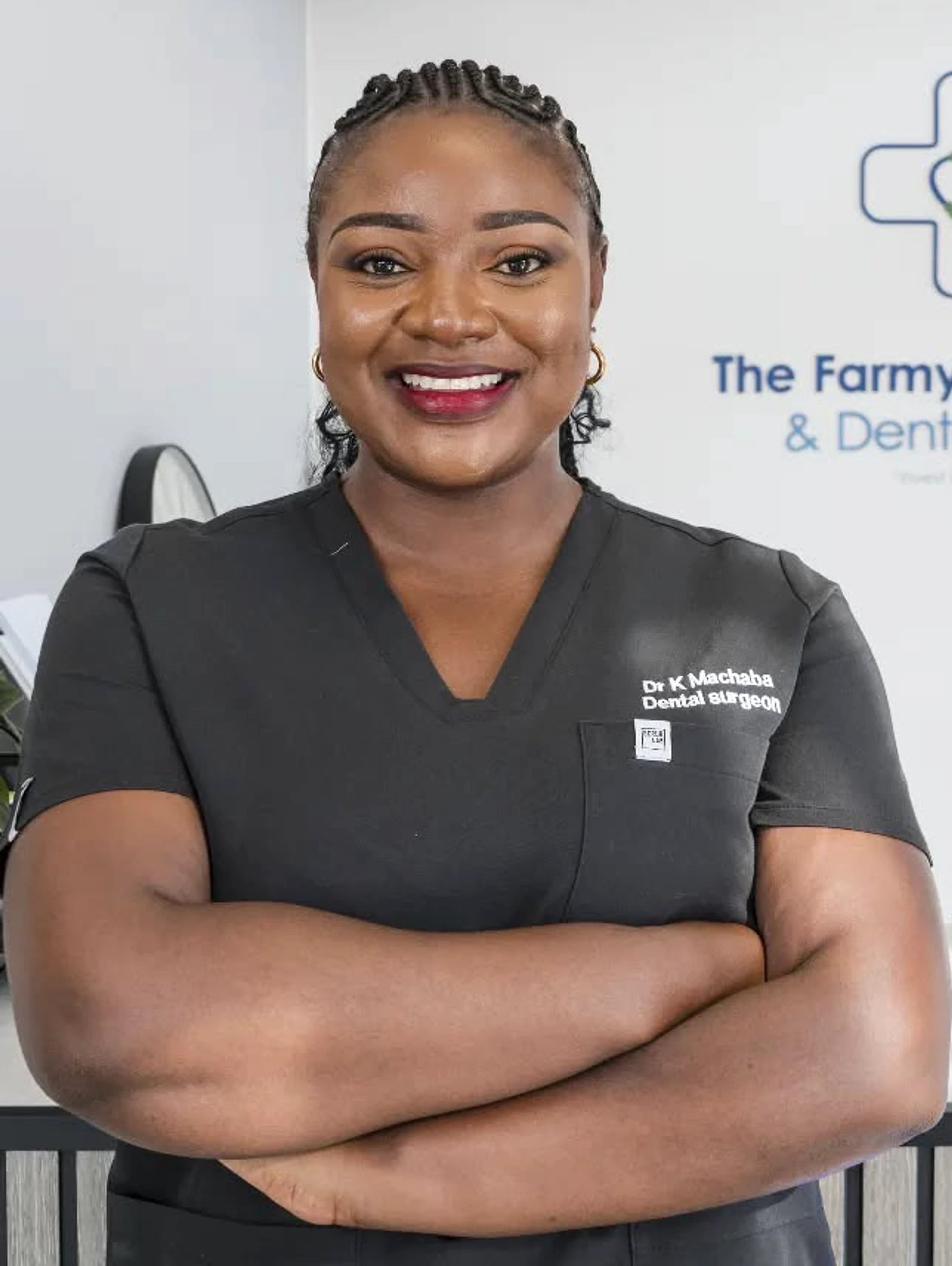
Dr. Kholofelo Machaba-SelatoleChief Dentist & Practice Director
Dr. Kholofelo Machaba-Selatole leads Smile On Dental & Aesthetic Studio with a warm, patient-focused approach to family, restorative, cosmetic, and orthodontic care.
View Profile