Quick Answer
Book the assessment well before the event rather than waiting until the final days. Teeth and gums may need care first, whitening methods take different amounts of time, and sensitivity or existing restorations can change the plan. Tell the dentist your event date at the first visit. No responsible plan can guarantee a particular shade by a fixed deadline for every patient.
- An assessment date is not the same as a treatment completion date.
- Leave room for health checks and possible sensitivity.
- Avoid last-minute combinations of whitening products.
Start with the event date and the actual goal
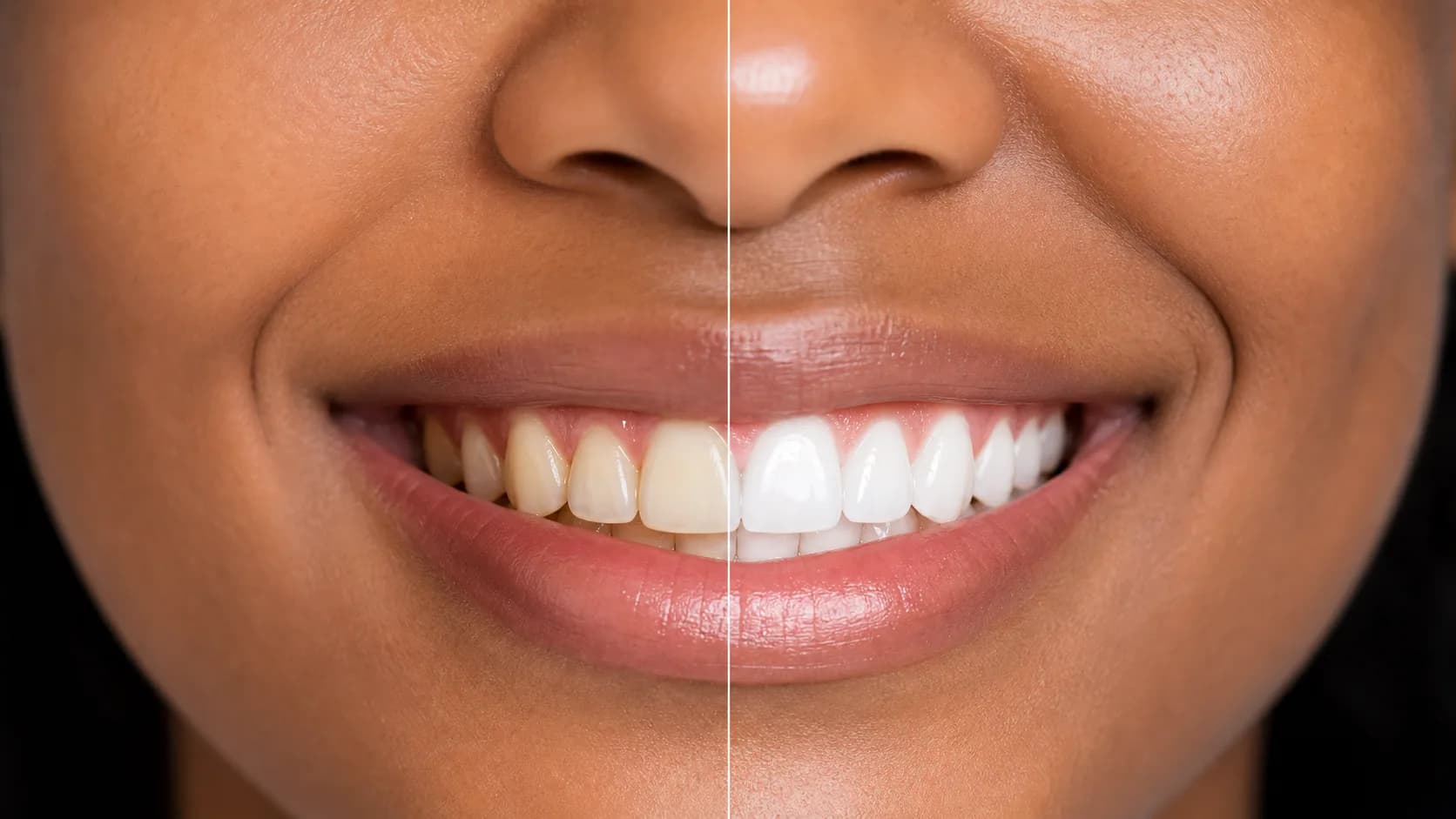
Tell the dentist whether you want surface stain removed, a lighter natural shade or changes to the shape of particular teeth. These are different goals and may involve different treatments. A cleaning can address certain deposits and external stains; whitening changes colour; bonding or veneers involve restorative decisions.
Bring the event date and any travel dates. Explain whether photographs, speaking or eating at the event create particular concerns. This helps the practice discuss a sensible sequence, but it does not turn the appointment into a promise that every treatment can be finished before the occasion.
Allow time for the suitability assessment
Whitening should begin with an assessment of teeth, gums, symptoms and existing dental work. Cavities, gum inflammation, cracks or a failing restoration may need attention first. Someone with no obvious pain can still have findings that affect the safety or usefulness of whitening.
Mention previous sensitivity and every product you have recently used. If you have front crowns, veneers or bonding, the dentist needs to consider how they will look next to lighter natural teeth. Do not leave that discussion until after whitening has changed the surrounding shade.
Compare the sequence, not just the appointment length
A treatment advertised as a short appointment may still require consultation, preparation and review. A prescribed home-tray approach generally involves a course of use according to the product and clinician’s instructions. The best choice depends on suitability, expectations and the available time, not simply the fastest marketing claim.
Ask the practice which options it actually offers and what the proposed schedule includes. Do not assume a particular brand, laser system or same-day service is available. Confirm the costs of assessment, any necessary preliminary care and review before deciding.
| Planning stage | What to clarify |
|---|---|
| Assessment | Health, sensitivity and restoration checks |
| Preparation | Whether cleaning or treatment is needed first |
| Whitening | Method, instructions and likely course |
| Review | Response, comfort and whether further care is appropriate |
| Event buffer | Time for changes or a pause if needed |
Build in room for sensitivity or an uneven response
Sensitivity can occur during whitening. If it develops, the dentist may advise changes or a pause rather than continued exposure. A plan started at the last possible moment leaves little room to respond comfortably. Do not double the gel or extend wear time to catch up with a deadline.
Natural teeth do not all respond identically. One darker tooth, white spots or restorations may require a different discussion. The aim should be a realistic improvement within a suitable plan, not matching a filtered reference image or a shade selected without examination.
Avoid a final-week product experiment
Stacking strips, whitening toothpaste and gel may increase irritation without creating a better result. Acidic home mixtures and abrasive powders are also poor shortcuts. If you are already following a prescribed plan, ask before adding another product, even if it is marketed as gentle or natural.
Keep normal oral care consistent and follow the specific aftercare provided. Do not adopt an unnecessarily restrictive diet from social media or assume every product requires the same rules. If a product causes gum soreness or persistent tooth pain, stop using it and contact the treating team.
5 planning decisions to make before an important event
A wedding date creates a clear deadline, but it does not tell you whether whitening is suitable or how your teeth will respond. Someone with healthy natural teeth may have a different pathway from someone with a visible crown, active decay or sensitivity. Booking the first discussion early gives you room to understand those differences. It also leaves space to decide that a simpler plan, or postponing cosmetic treatment, is more sensible than rushing a procedure before the event.
Think beyond the ceremony itself. Engagement photographs, work travel, fittings and other appointments can make a seemingly open calendar difficult to manage. Tell the dentist which dates matter, but ask for a treatment schedule based on the examination and the chosen product. Do not compress application times or add another whitening system because an event is approaching. Your plan should include what to do if you develop discomfort and how you will contact the practice if you are away.
- Write down your important dates. Include travel and photographs so the dentist can see the real planning window rather than only the date of the main event.
- Arrange the suitability assessment first. Ask whether cleaning, treatment of dental disease or evaluation of existing restorations should happen before making a cosmetic treatment decision.
- Describe the result you want in plain language. A natural improvement and a very pale shade may involve different expectations, and neither should be guaranteed in advance.
- Agree how progress will be reviewed. Ask when to report sensitivity or a disappointing colour change instead of independently increasing the dose or extending the course.
- Keep a fallback plan. If treatment must pause or the expected result is not achievable, avoid last-minute products that have not been discussed with your dentist.
What if the event is very soon?
Be open about the deadline and ask what can reasonably be assessed or improved without rushing. Sometimes the appropriate choice is cleaning, management of a specific concern or postponing elective whitening. A safer limited plan is preferable to starting multiple procedures that cannot be properly completed or reviewed in time.
Can a guaranteed number of shades be promised? Individual responses differ, so a universal promise is not appropriate. Should you whiten immediately before bonding? Treatment order and the interval need professional planning. Does every wedding smile need whitening? No; healthy natural teeth do not need cosmetic treatment simply because an event is approaching.
A consultation at Smile On Dental can establish what is suitable, what the practice can provide and how to organise it around your date. Ask for the sequence in writing so you know which appointments are essential and which depend on the response.
Start with our guide to the dental check before teeth whitening, then explore professional teeth whitening if the assessment supports it. If your smile includes visible dental work, whether fillings, crowns and veneers whiten is an important planning question to settle before choosing a shade target or an event deadline.
- Bring details of any whitening strips, gels or toothpaste you already use so the proposed course does not unknowingly overlap with another product.
- Mention front-tooth fillings, crowns and veneers; their colour may influence how balanced the finished smile looks in ordinary light and in photographs.
- Ask which follow-up appointments are part of the plan and whether your availability matches them before paying for treatment or booking around assumptions.
- Set aside time for instructions and questions; a busy event schedule makes a written plan particularly useful when you need to check advice later.
Internal Links
Related dental care
Sources
Useful information
Written by
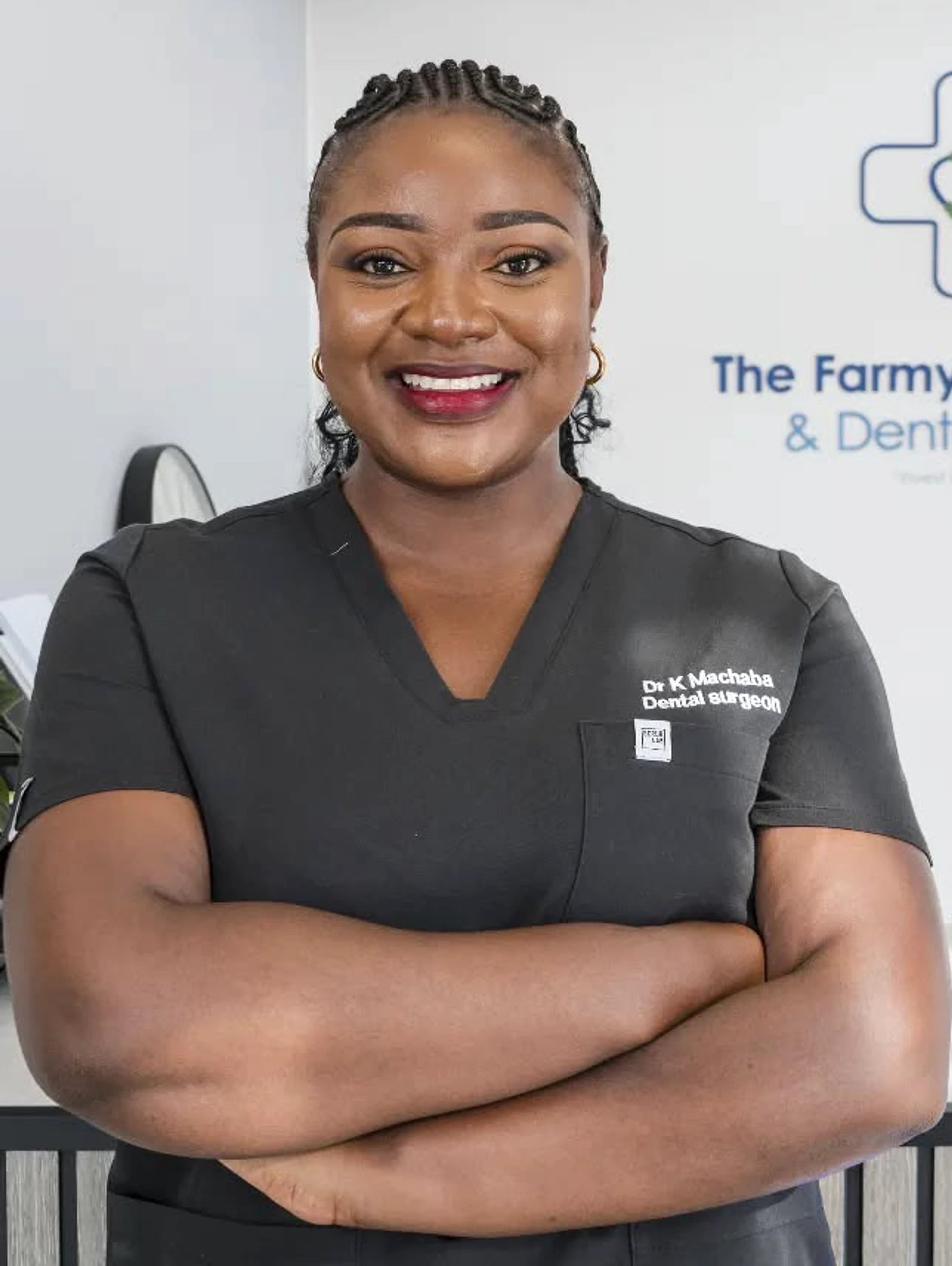
Dr. Kholofelo Machaba-SelatoleChief Dentist & Practice Director
Dr. Kholofelo Machaba-Selatole leads Smile On Dental & Aesthetic Studio with a warm, patient-focused approach to family, restorative, cosmetic, and orthodontic care.
View Profile