Quick Answer
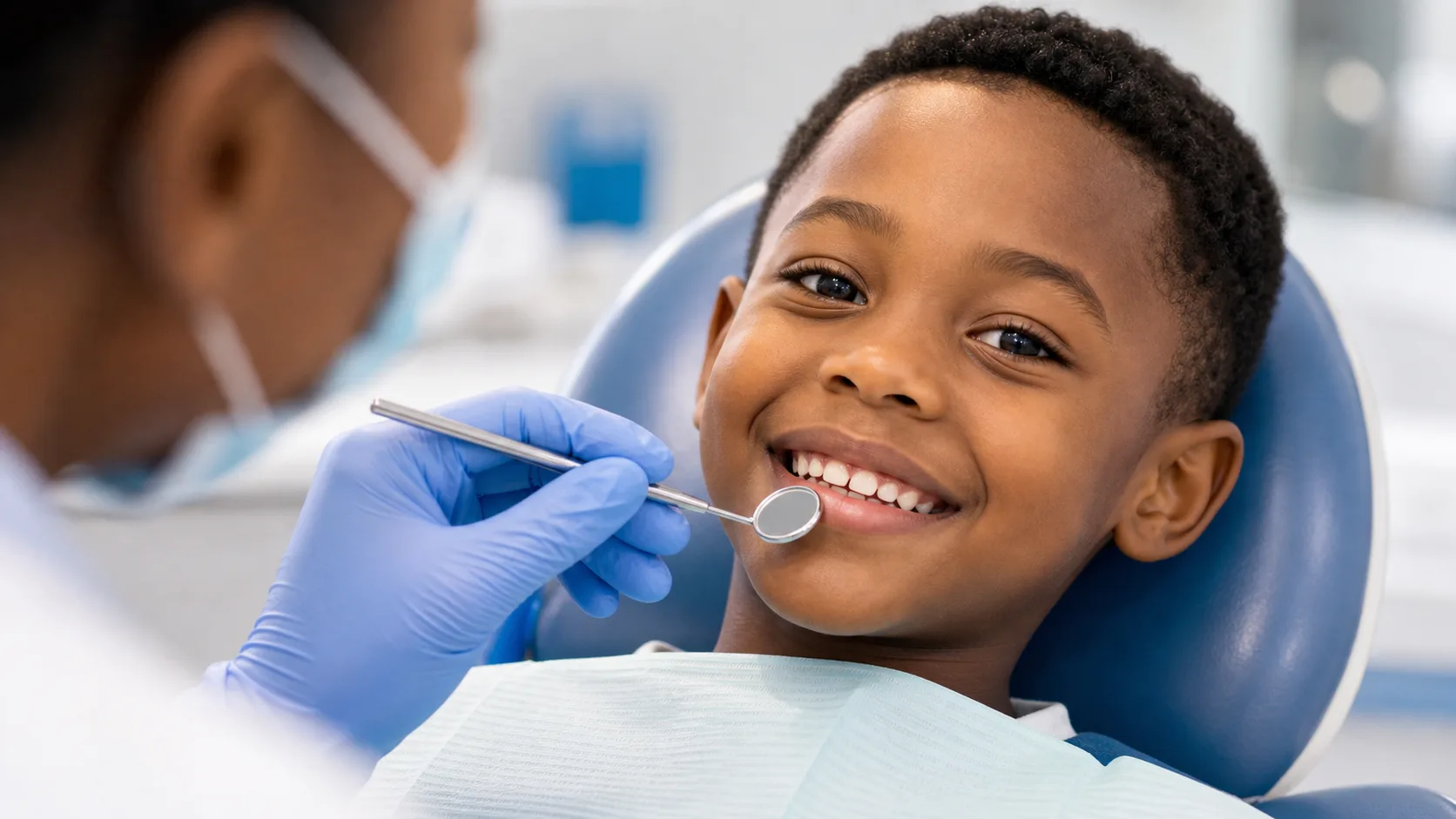
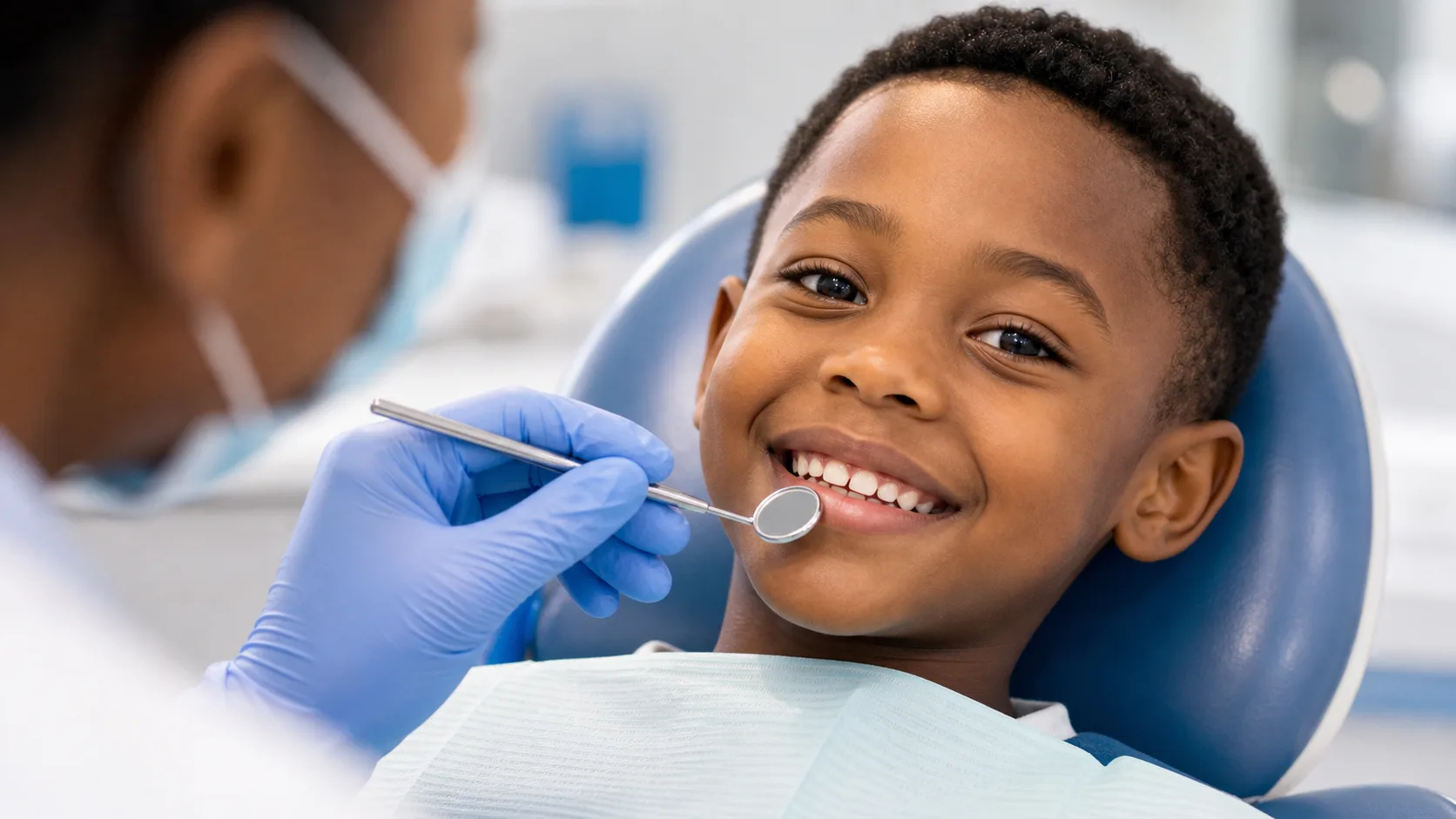
A cavity in a baby tooth should be assessed even though the tooth will eventually fall out. The decision depends on the depth of decay, symptoms, infection risk and how long the tooth is expected to remain. Some early changes can be managed preventively; a hole, pain or infection may need treatment. Waiting for the tooth to fall out is not a safe plan without an examination.
- Baby teeth support eating, speech and space for developing teeth.
- A painless cavity can still progress.
- The appropriate treatment depends on the tooth and the child.
Why the remaining life of the tooth matters
Baby teeth are temporary, but temporary can still mean several years. A back baby tooth may need to function long after the front teeth have started changing. Its job includes helping a child chew comfortably and maintaining space as the permanent teeth develop. Looking only at the child’s age does not tell you when an individual tooth will be lost.
The dentist considers which tooth is involved, its stage of development and whether its permanent successor is approaching eruption. A tooth nearly ready to fall out presents a different decision from one that should remain for years. Parents should not assume a damaged back tooth is expendable because a front tooth recently came out.
Early decay and an established cavity are different
Tooth decay starts as mineral loss. An early surface change without a physical hole may sometimes be managed with a prevention plan and monitoring. Once the tooth has broken down into a cavity, the lost structure does not simply grow back with extra brushing. The dentist needs to establish which stage is present.
Colour alone is not a reliable guide. A dark groove may not be a large cavity, and a small visible opening can conceal deeper damage. Examination, and an X-ray when justified, helps determine the extent. Do not probe the tooth at home with sharp objects or test it repeatedly with sweets or cold drinks.
What can change the treatment decision
Treatment aims to keep the child comfortable, manage disease and protect function. Depending on the findings, the discussion may include preventive care, a filling, a crown, treatment involving the inside of the tooth or removal. These are possible pathways, not a menu from which every option will suit every child.
The child’s ability to manage an appointment also matters. Tell the practice about previous experiences, communication needs and any medical conditions before booking. Ask how treatment will be explained and how discomfort will be managed. Do not assume that sedation, specialist care or a particular technique is available without confirming it.
| Finding | Question for the dentist |
|---|---|
| Early mineral loss | Can this be monitored with a prevention plan? |
| A cavity in a tooth needed for years | What will restore function and protect the remaining tooth? |
| Pain or infection | How soon does this need care? |
| A tooth close to natural shedding | How does timing affect the safest plan? |
When waiting becomes a problem
Pain on eating, disturbed sleep, food avoidance, a gum swelling or a bad taste should be reported when booking. A child may express tooth pain as irritability or refuse foods previously enjoyed. The absence of a clear complaint does not prove that the tooth is comfortable, especially in younger children.
Facial swelling, fever with a dental swelling, or difficulty opening the mouth warrants urgent advice. Trouble breathing or swallowing requires emergency medical attention. A gum swelling that drains and then settles still needs assessment; temporary relief does not establish that the underlying problem has resolved.
How to support the tooth before the appointment
Continue gentle brushing with age-appropriate fluoride toothpaste and help your child clean the area. Choose foods they can comfortably manage and reduce frequent sugary snacks and drinks. These measures support oral health but do not replace treatment for an established cavity. Avoid placing aspirin, strong oils or household remedies directly on the tooth or gum.
If pain relief is needed, ask a pharmacist or clinician about a medicine appropriate to the child’s age, weight and health history. Bring a list of medicines already given. Do not use leftover antibiotics or assume antibiotics can repair the tooth. The practice needs to identify and manage the cause.
5 steps for comparing the options for a baby tooth
Imagine two children with a small-looking hole in a back tooth. One tooth is close to being shed naturally; the other is expected to remain useful for several years. Even if the holes look similar to a parent, the decisions may differ. The question is not simply whether baby teeth matter, but what will keep this child comfortable and protect function for the time that particular tooth is needed.
A useful conversation separates the immediate problem from the longer-term plan. Relieving pain, treating infection, rebuilding the tooth and reducing the chance of another cavity are related tasks, but they are not identical. Ask the dentist to explain which task each proposed appointment addresses. That makes it easier to understand why a child may need both restorative care and a prevention review, rather than expecting a filling to solve every future risk.
- Identify the tooth together. Ask the dentist to show its position and explain its expected role in the developing mouth, rather than making the decision from age alone.
- Clarify the diagnosis. Find out whether this is early mineral loss, an established hole or a deeper problem, and what examination findings support that explanation.
- Compare appropriate options. Ask what each option would achieve, its limitations and what would happen if it failed, including whether a further appointment might be needed.
- Plan the practical details. Explain school hours, previous anxiety and any difficulty with eating so the appointment sequence and preparation fit the child’s needs.
- Agree on the review. Write down what should improve, which symptoms need an earlier call and how the remaining teeth will be protected after this tooth is treated.
Questions that make the visit more useful
Ask how long the tooth is likely to remain, whether the decay is close to the nerve and what could happen if treatment is postponed. If extraction is discussed, ask whether the developing bite or space needs monitoring. Request a clear explanation of alternatives and their limitations before deciding.
A child who has developed one cavity may benefit from a broader prevention review. Discuss brushing support, snack frequency, fluoride and whether other teeth have deep grooves or early changes. At Smile On Dental, book a children’s dental assessment and describe the symptoms in advance so the appropriate appointment can be arranged.
Does every baby tooth cavity need a filling? No. The diagnosis determines whether preventive monitoring or another treatment is appropriate. Can the tooth be left because it does not hurt? Lack of pain alone is not a sufficient reason. Should every sibling follow the same plan? Each child’s teeth and risk need their own assessment.
For the wider treatment discussion, our guide to children’s dental care explains the assessment, while tooth decay treatment covers why prevention and repairing a cavity have different roles. If getting to the visit is the main worry, read how to help children feel calm at the dentist before planning the appointment.
- Comfort: note whether the child avoids one side, wakes at night or needs softer meals than usual; these changes help describe the impact.
- Tooth history: bring details of previous fillings, injuries or episodes of swelling in the same area, even when they settled without treatment.
- Home routine: explain who helps with brushing and what usually happens after the evening clean, including any food or drinks.
- Practical support: mention communication needs or previous difficult visits before the appointment so the team can prepare appropriately.
Internal Links
Related dental care
Sources
Useful information

Written by
Dr. Kholofelo Machaba-SelatoleChief Dentist & Practice Director
Dr. Kholofelo Machaba-Selatole leads Smile On Dental & Aesthetic Studio with a warm, patient-focused approach to family, restorative, cosmetic, and orthodontic care.
View Profile