Quick Answer
Permanent teeth often look more yellow than the baby teeth beside them because their structure and underlying dentine differ. A fairly even colour across newly erupted adult teeth may be a normal contrast. One unusually dark tooth, distinct white or brown patches, pain or a history of injury deserves assessment. Do not start whitening a child’s teeth without a dental diagnosis.
- Compare patterns across teeth rather than one photograph.
- One changed tooth needs a different assessment from an even shade difference.
- Avoid adult whitening products and abrasive home remedies.
Why mixed teeth create a strong colour contrast
During the mixed-dentition years, bright baby teeth and larger adult teeth sit next to one another. The same adult tooth can appear much more yellow beside a pale baby tooth than it will once neighbouring permanent teeth have erupted. Bathroom lighting, camera exposure and dehydration can exaggerate that contrast further.
Tooth colour comes from more than the outer surface. Enamel allows some of the underlying dentine colour to show through. A natural shade is not a measure of cleanliness, and a child should not be made to feel that yellow-looking teeth prove they are brushing badly. A dental examination is more informative than repeated comparisons with filtered photographs.
Patterns worth pointing out at a check-up
Note whether the change affects all the new front teeth similarly or only one tooth. Tell the dentist if there are sharply outlined patches, grooves, crumbling areas or discomfort. An enamel-development difference, stain, decay and an injured tooth can look superficially similar to a parent but need different approaches.
A previous fall matters even if it happened months ago and the tooth did not break. Keep a brief record of when the colour became noticeable and whether it has changed. An ordinary photograph can help show progression, but it cannot reveal the health of the inside of the tooth.
How the dentist separates colour from disease
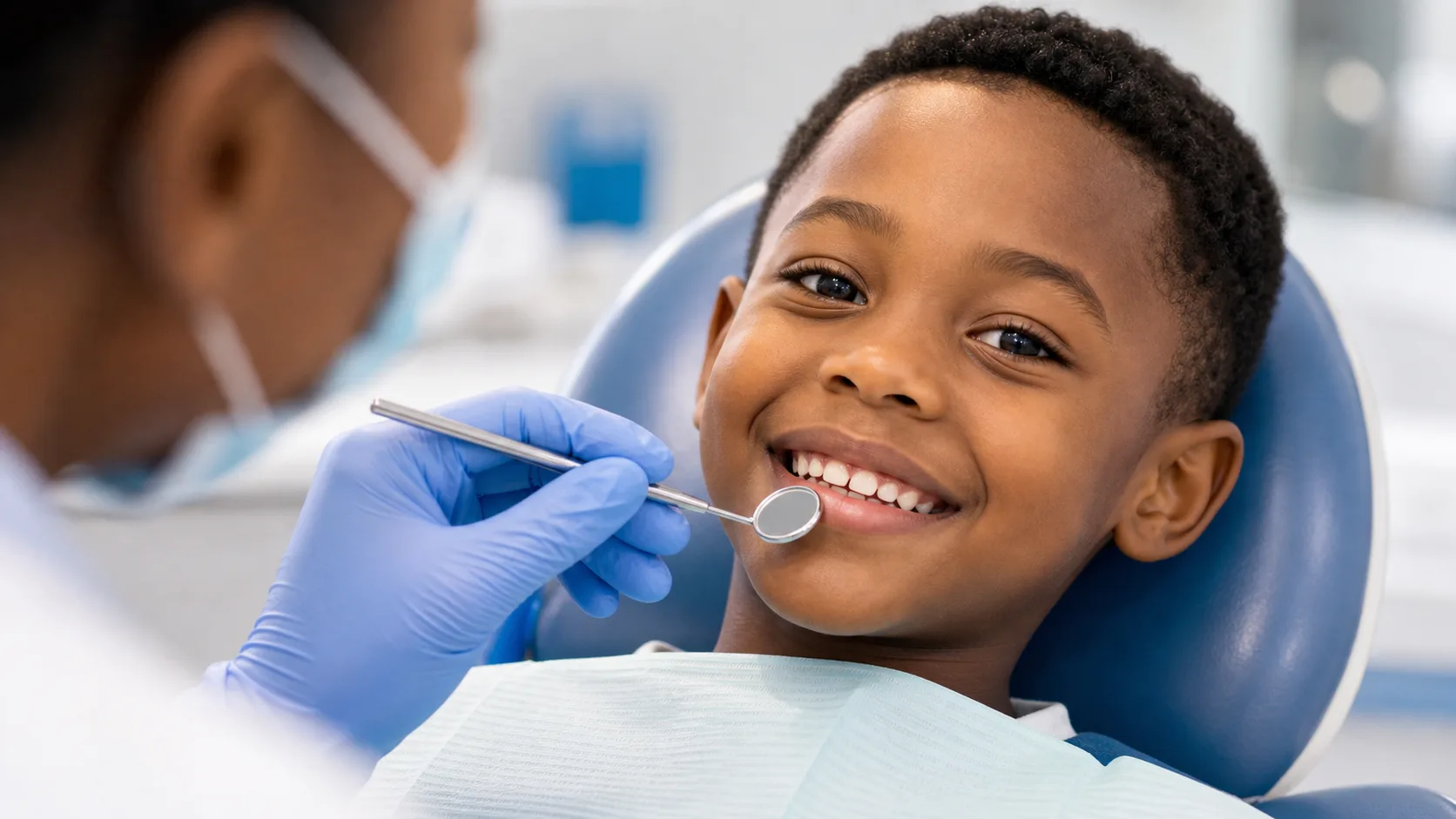
The assessment may include cleaning away surface deposits, checking the enamel, reviewing the eruption pattern and asking about symptoms or injury. X-rays are used when they answer a clinical question, not simply because a tooth looks slightly yellow. The dentist should explain whether the appearance is an expected variation or needs follow-up.
If monitoring is recommended, ask what is being monitored and when it should be checked again. A recorded baseline makes later comparison easier. If treatment is proposed, ask whether its purpose is to protect weak enamel, manage decay, address sensitivity or alter appearance. Those are different goals with different levels of urgency.
| Appearance or history | Useful information to bring |
|---|---|
| Similar shade across new adult teeth | When the teeth erupted |
| One tooth becoming darker | Any previous knock or injury |
| Distinct white or brown patches | Whether the surface is sensitive or breaking down |
| Surface staining | Foods, drinks and oral-care products used |
Why extra scrubbing and whitening are poor first responses
Scrubbing harder cannot change the natural dentine colour inside a tooth. It can make brushing uncomfortable and discourage the child from maintaining a gentle routine. Charcoal, lemon juice, baking mixtures and whitening strips should not be used to experiment on developing teeth. A product being sold online does not establish that it is appropriate for a child.
Whitening decisions require professional assessment of age, tooth development, the cause of discolouration and oral health. This article does not recommend cosmetic bleaching for children. If colour is affecting confidence, mention that concern openly so it can be addressed sensitively without rushing into unnecessary treatment.
A routine that supports healthy teeth as they erupt
Help your child brush twice daily using the fluoride toothpaste and amount suitable for their age and risk. Pay attention to newly erupting back teeth, which can sit lower than their neighbours and be easy to miss. Supervision is useful even when a child is confident with the toothbrush.
Keep the emphasis on comfort, clean surfaces and a repeatable routine rather than achieving a particular shade. Discuss food and drink frequency if there are other signs of decay risk. If the dentist identifies weak or vulnerable areas, ask whether additional preventive care or shorter review intervals are appropriate.
5 ways to describe a colour change without overchecking
A parent might first notice a darker-looking adult incisor in a school photograph and begin comparing it with every baby tooth. A more useful comparison is whether the corresponding adult tooth on the other side has a similar shade and whether either tooth has changed over time. That observation cannot diagnose the cause, but it gives the dentist a clearer starting point than saying the entire smile has become yellow.
Keep the conversation with the child neutral. Asking them to display their teeth repeatedly or describing healthy-looking teeth as dirty can turn an ordinary development question into a confidence problem. You can say that new teeth sometimes look different and that the dentist will check them. If the child is being teased, mention that separately so the emotional concern receives attention without assuming cosmetic treatment is the immediate solution.
- Record when the new tooth appeared and when you first noticed the colour difference. A rough timeline is useful; there is no need to inspect it several times daily.
- Compare like with like in ordinary light. Note whether both new permanent teeth look similar rather than comparing only an adult tooth with a much smaller baby tooth.
- List any injury or symptoms. Include a fall remembered only later, discomfort on biting, unusual sensitivity or a surface that seems to be breaking down.
- Bring one or two unfiltered photographs if they document a change. Avoid flash-heavy close-ups that make every surface look a different colour.
- Ask for a specific follow-up decision. Establish whether the appearance needs monitoring, preventive care, further investigation or simply reassurance after the examination.
When to book and what to ask
An even shade difference without symptoms can be discussed at a routine appointment. Arrange earlier assessment for a single tooth changing colour, a recent injury, pain, swelling or a tooth surface that is breaking down. Seek urgent advice when a child has significant dental pain or facial swelling.
Ask: Is this a normal colour difference? Is the enamel healthy? Does the history suggest injury? Are photographs or monitoring useful? What changes should prompt an earlier visit? These questions help separate appearance concerns from conditions that need treatment.
Will the teeth necessarily become white as the baby teeth fall out? No particular shade is guaranteed, although the contrast may become less obvious. Does yellow always mean decay? No. Can whitening toothpaste solve a structural colour difference? It cannot reliably change the underlying cause, and product suitability should be discussed with the dentist.
Our children’s dental care page is the appropriate starting point for a colour assessment. The article on a routine child dental check-up explains how appearance, development and prevention fit into the same visit; it is useful background when the child has no pain but you want the change checked.
- Even colour across new teeth: describe the pattern without assuming it proves either health or disease; the examination supplies that context.
- One changing tooth: mention its history separately instead of treating it as part of a general whitening question.
- Visible patches: note whether their edges, texture or associated symptoms have changed since the tooth erupted.
- Confidence concerns: explain how the child feels, while keeping discussions about possible treatment proportionate to the clinical findings.
Internal Links
Related dental care
Sources
Useful information
Written by
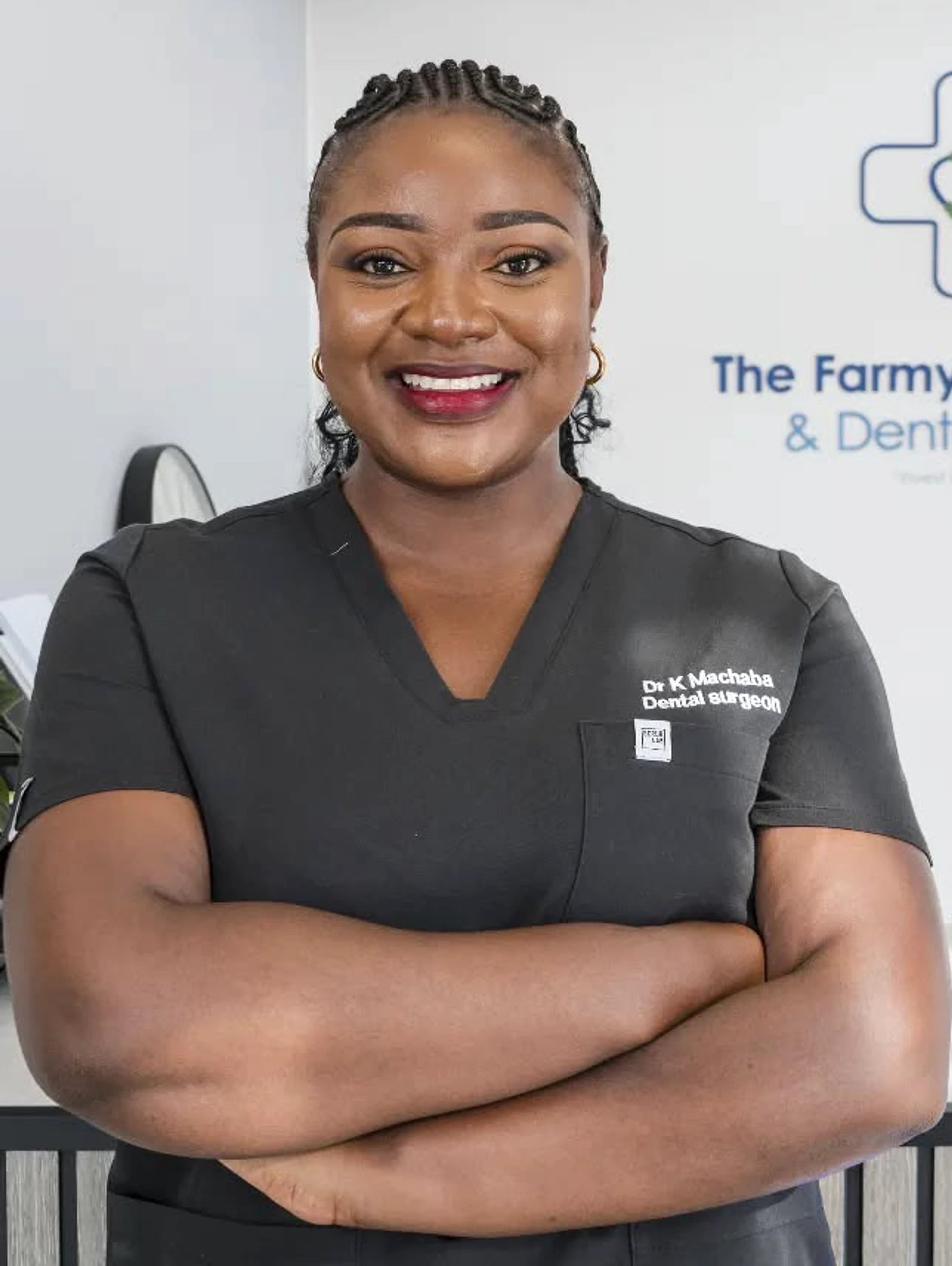
Dr. Kholofelo Machaba-SelatoleChief Dentist & Practice Director
Dr. Kholofelo Machaba-Selatole leads Smile On Dental & Aesthetic Studio with a warm, patient-focused approach to family, restorative, cosmetic, and orthodontic care.
View Profile