Quick Answer
An adult tooth can sometimes appear behind a baby tooth before the baby tooth falls out, particularly in the lower front teeth. Whether observation is appropriate depends on looseness, space, eruption and symptoms. Book an assessment if the baby tooth is firm, the arrangement persists or there is pain or swelling. Do not force or pull the tooth out at home.
- The baby tooth’s looseness is useful information, not the whole diagnosis.
- Space and eruption direction need assessment when progress is uncertain.
- Avoid string, tools or forceful home extraction.
Why two rows can briefly appear
Permanent teeth do not always erupt in a perfectly tidy sequence. Sometimes the new tooth becomes visible behind the baby tooth while the baby tooth is still present. This can look dramatic to a parent who expected the old tooth to fall out first and leave an obvious gap.
The appearance alone does not tell you whether the tooth will settle into a better position or whether treatment is needed. The dentist considers the individual tooth, available space and the stage of change. Avoid comparing a photograph with another child’s result and assuming the same outcome will follow.
What parents can observe safely
Notice whether the baby tooth is becoming naturally looser and whether the adult tooth has only just appeared or has been visible for some time. Record any discomfort, food trapping, bleeding unrelated to gentle cleaning or difficulty biting. A dated photograph can help show the sequence if the appearance changes before the appointment.
Observation does not mean repeatedly pushing the tooth, testing it with hard foods or trying to speed up the process. Do not use pliers, string or another improvised method to remove it. A tooth that seems loose at the crown may still need a professional decision about its roots and surrounding tissues.
When an assessment is sensible
Arrange a dental visit when the baby tooth remains firm, the two-row arrangement is not progressing, space seems limited or you are unsure which tooth is erupting. Pain, swelling, a damaged tooth or a bite that prevents comfortable eating should be mentioned when booking rather than saved for the end of a routine visit.
You do not need to establish the diagnosis before calling. Describe what you can see, how long it has been present and whether the child is comfortable. The practice can advise on timing. Significant facial swelling or difficulty swallowing requires urgent help.
| Observation | Useful next step |
|---|---|
| Recently erupted tooth and a loosening baby tooth | Ask whether monitoring is suitable |
| Firm retained baby tooth | Book an examination |
| Pain, swelling or injury | Tell the practice when requesting care |
| Persistent crowding after tooth loss | Ask whether bite development needs review |
What the dentist may check
The examination looks at the retained tooth, the emerging permanent tooth and the available space. The dentist may assess the developing bite and decide whether imaging would answer a specific question. An X-ray is not automatically required for every visible eruption variation.
Possible plans include observation with a defined review, removal of a retained tooth when appropriate or further assessment of spacing. Extraction does not automatically guarantee that the adult tooth will align perfectly. If crowding is present, the longer-term discussion may be different from the immediate decision about the baby tooth.
Keep both rows clean while waiting
Food and plaque can collect around the overlapping teeth. Help the child brush gently using the appropriate fluoride toothpaste, reaching both the front and back surfaces as far as practical. If cleaning is painful or access is difficult, ask the dental team to demonstrate a suitable technique.
Choose foods the child can manage comfortably, but do not turn chewing into a method of forcing the baby tooth out. If the tooth falls out naturally, continue gentle oral care and follow any advice provided. Ongoing bleeding, persistent pain or an unexpected piece of tooth should be discussed with the practice.
Questions about the next stage
Ask whether the permanent tooth has enough room, how long observation is reasonable and what change should trigger a return visit. If extraction is proposed, ask why it is recommended now and whether any follow-up is needed for alignment. If monitoring is advised, record the planned review date.
Does this always mean braces will be needed? No; a two-row appearance does not by itself establish a future orthodontic need. Will the tongue definitely move the tooth into place? Movement can occur, but a specific outcome should not be promised. Can parents wait until pain develops? Pain is not the only reason to assess a retained tooth.
At Smile On Dental, a children’s dental appointment can clarify whether this is a stage to monitor or a situation needing intervention. Bringing a short timeline helps the dentist judge progress rather than seeing only a single moment.
A children's dental assessment is the starting point for checking the eruption pattern. If removal is recommended, the tooth extractions guide explains the broader treatment pathway. You can also read what happens at a child's routine dental check-up to help explain the visit without promising a particular outcome before the examination.
- Avoid tying, twisting or pulling a tooth at home simply because another tooth is visible; an unfamiliar eruption pattern deserves appropriate assessment.
- Keep the discussion calm and age appropriate so the child does not assume that seeing a dentist automatically means having a tooth removed.
- Tell the practice about previous dental injuries or treatment in that area, even if they happened long before the adult tooth appeared.
- Ask for help reaching both rows with the toothbrush while the situation is being assessed, especially if food collects around the baby tooth.
Internal Links
Related dental care
Sources
Useful information
Written by
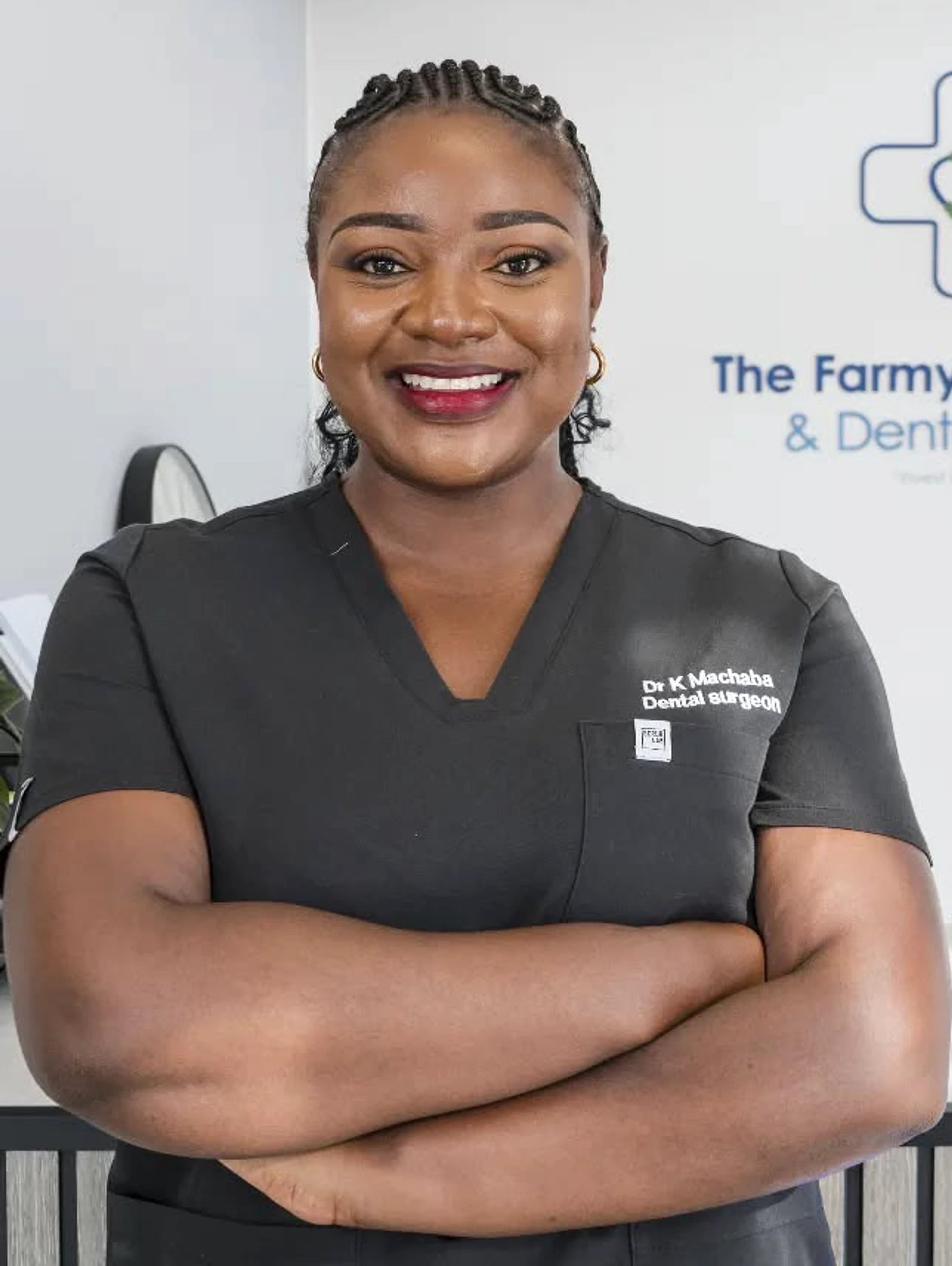
Dr. Kholofelo Machaba-SelatoleChief Dentist & Practice Director
Dr. Kholofelo Machaba-Selatole leads Smile On Dental & Aesthetic Studio with a warm, patient-focused approach to family, restorative, cosmetic, and orthodontic care.
View Profile