
Quick Answer
A prevention plan for repeated childhood cavities should review brushing quality, fluoride use, how often sugars reach the teeth, and any teeth that are difficult to clean. The dentist may also discuss professional fluoride or sealants. Existing cavities still need their own assessment. The aim is to identify practical causes of risk and change them without blaming the child or family.
- Repairing a cavity and preventing the next one are separate tasks.
- Frequency of sweet snacks and drinks matters.
- A useful plan is specific enough to follow and review.
Look for a pattern rather than one explanation
Repeated cavities can feel discouraging when your family already brushes every day. The next step is not automatically to scrub harder or buy a more expensive brush. Ask which teeth and surfaces are affected. Decay between teeth, inside deep chewing grooves and near the gumline can suggest different cleaning or dietary challenges.
Bring a realistic account of the routine, including difficult days. Who finishes brushing? Is toothpaste swallowed or rinsed away immediately? Is a sweet drink sipped throughout an afternoon? These details are more useful than trying to describe an ideal routine that rarely happens.
Review a normal day of eating and drinking
Write down meals, snacks and drinks for a few typical days, including school and weekends. Repeated sugar exposures can keep challenging the teeth even when each portion seems small. Fruit juice, sweetened milk, sports drinks and sticky snacks can be overlooked because they are not thought of as sweets.
The goal is a workable eating pattern, not a list of forbidden foods that leaves a child hungry. Discuss balanced snacks, water between meals and whether sweet foods can be kept with meals. Children with medical or nutritional needs should have changes coordinated with their relevant clinician rather than following restrictive internet diets.
Check what brushing actually reaches
An adult may need to brush or finish brushing, especially around the back teeth. A child can be enthusiastic yet lack the coordination to clean every surface. Ask for a demonstration that includes newly erupted molars and the inside surfaces, not just the front teeth visible in a smile.
Confirm the toothpaste concentration and amount appropriate to age and risk. If flavour, foaming, disability or sensory distress makes brushing difficult, mention it explicitly. A plan that ignores the barrier is unlikely to work. The team may help adapt the approach while maintaining effective fluoride exposure.
Discuss extra protection for particular teeth
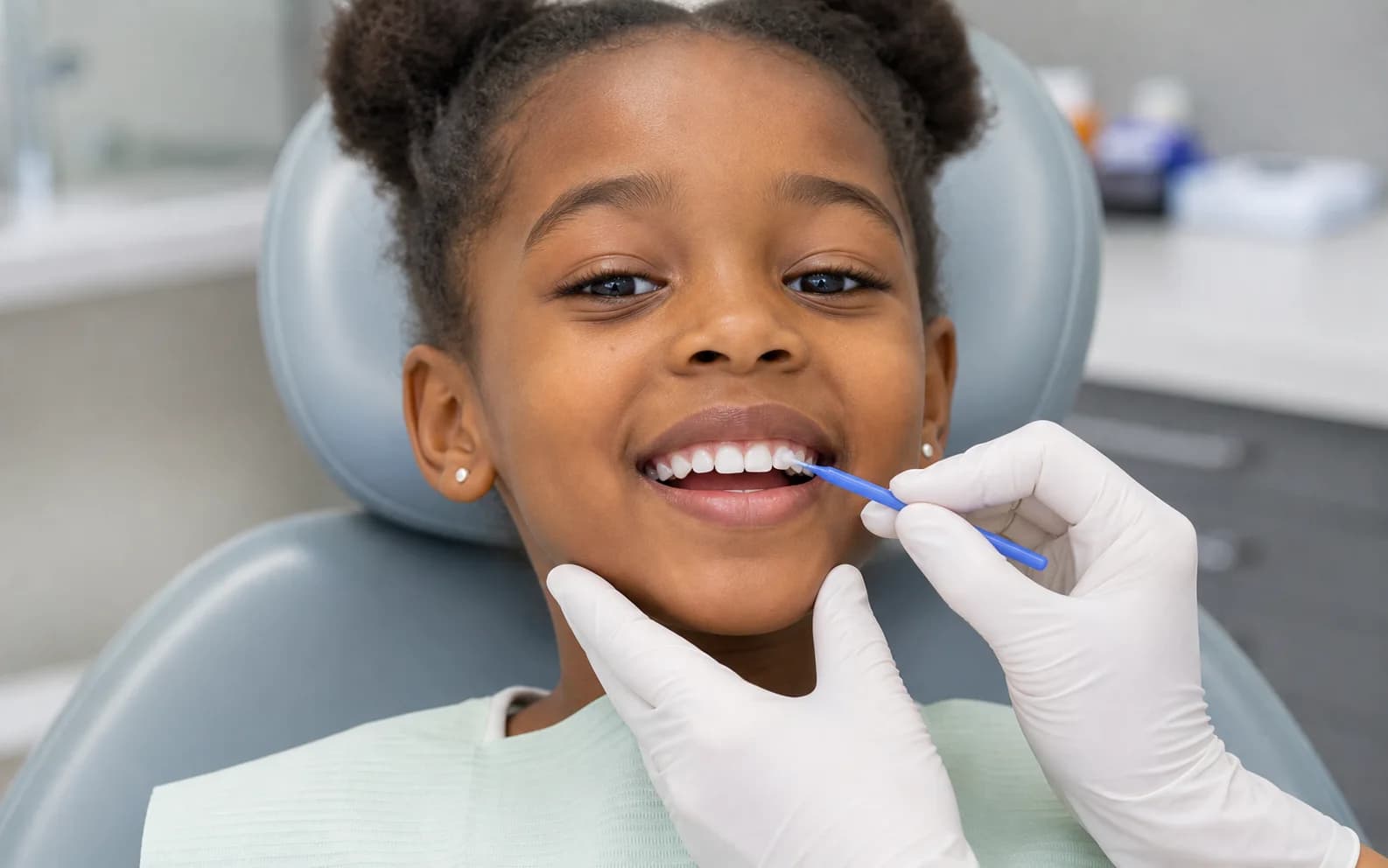
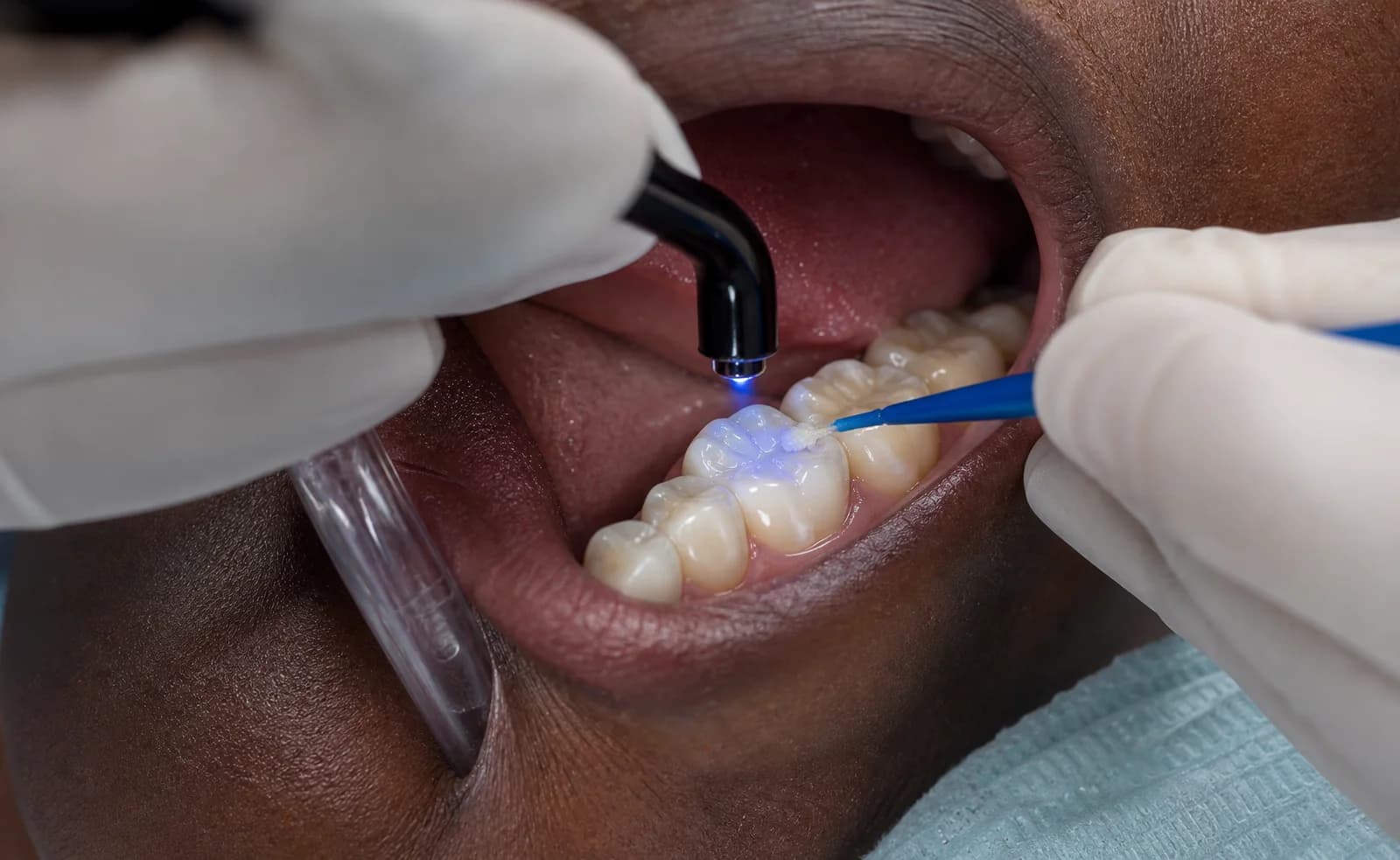
Professional fluoride can be considered when risk justifies it, and sealants may help protect suitable chewing grooves. These measures complement daily care; they do not cancel the effect of frequent sugar exposure or make existing cavities disappear. Ask which teeth would benefit and why.
Some early decay changes may be monitored with prevention, while established cavities may require restoration. Make sure you understand which findings fall into each category. A vague instruction to improve brushing is not enough when there is active disease needing treatment.
| Part of the plan | Make it specific |
|---|---|
| Brushing | Who helps and which surfaces need attention |
| Toothpaste | Product, amount and frequency |
| Food and drink | The repeated exposure to change first |
| Additional prevention | Which teeth and what intervention |
| Follow-up | When and what will be reassessed |
Agree on one or two changes the family can sustain
Trying to change every habit at once can be overwhelming. Begin with a high-value step such as adult-assisted evening brushing or replacing prolonged sweet-drink sipping with water. Use a simple reminder and check whether the change is actually happening before adding more tasks.
Avoid punishment or telling the child that cavities mean they are dirty. A supportive approach makes it easier to report pain and cooperate with care. Explain that teeth need a team effort, with adults managing the environment and the dental team helping identify vulnerable areas.
5 details that make a cavity-prevention plan more useful
Consider a child who brushes every morning but develops another cavity at a review. The family might reasonably think the toothpaste is failing. A closer conversation could reveal that bedtime brushing is often missed, juice is sipped throughout the afternoon, or the back teeth are difficult to reach. These details do not prove the cause of that child's decay. They give the dentist something more useful to work with than a general instruction to brush better.
A practical plan should fit the people who actually care for your child. A grandparent, aftercare provider and parent may all offer snacks at different times. Writing down the routine can reveal repeated exposures that nobody noticed individually. Start with changes the household can maintain, then review whether they are working. Repeated cavities are a reason for a more tailored assessment, not a reason to blame the child or assume that treatment alone has solved the problem.
- Describe a normal weekday and weekend. Include drinks, snacks, school meals and bedtime habits so the dentist can discuss patterns rather than judge a single food.
- Bring the toothpaste details. Record the fluoride concentration and who supervises brushing, especially where a child can hold a brush but still needs help cleaning effectively.
- Ask which teeth need extra protection. The answer may differ between an existing cavity, a newly erupted permanent molar and a surface that can be monitored.
- Choose a small number of realistic changes. Agree who will help, what supplies are needed and how the routine will work when the family is away.
- Confirm the review plan before leaving. Ask how the dentist will check progress and what symptoms or changes should prompt an earlier appointment for your child.
Review progress rather than waiting for another painful tooth
Ask how soon the prevention plan should be reviewed and what improvement will look like. The dentist may assess plaque, new lesions, the condition of monitored areas and how the family is managing the routine. Recall timing should reflect risk rather than an assumed interval for every child.
Can brushing alone stop repeated cavities? It is important, but diet, fluoride and other risk factors may also need attention. Does a child with sealants still need check-ups? Yes, because the sealants and the rest of the mouth need review. Should pain wait until the prevention visit? No; report symptoms promptly so the practice can assess urgency.
Bring previous records where available and be clear about the child’s experiences of treatment. A prevention plan should make the next steps understandable and achievable while existing problems are treated appropriately.
Our guide to fluoride toothpaste for children explains a daily prevention tool, while fissure sealants versus fillings separates protection from repair. A paediatric dentistry visit can bring these options together around your child's examination, home routine and previous treatment, rather than treating each new cavity as an unrelated event.
- Take a short food-and-drink diary if remembering the whole routine during an appointment is difficult; honest detail is more useful than a perfect-looking record.
- Mention medicines, dry mouth or other health concerns, without stopping prescribed treatment or assuming that one factor explains every new cavity.
- Ask for a brushing demonstration on the areas your child finds hardest to clean rather than leaving with only a general leaflet.
- Keep prevention and treatment connected: protecting healthy teeth does not remove the need to assess or manage decay that is already present.
Internal Links
Related dental care
Sources
Useful information

Written by
Dr. Kholofelo Machaba-SelatoleChief Dentist & Practice Director
Dr. Kholofelo Machaba-Selatole leads Smile On Dental & Aesthetic Studio with a warm, patient-focused approach to family, restorative, cosmetic, and orthodontic care.
View Profile