Quick Answer
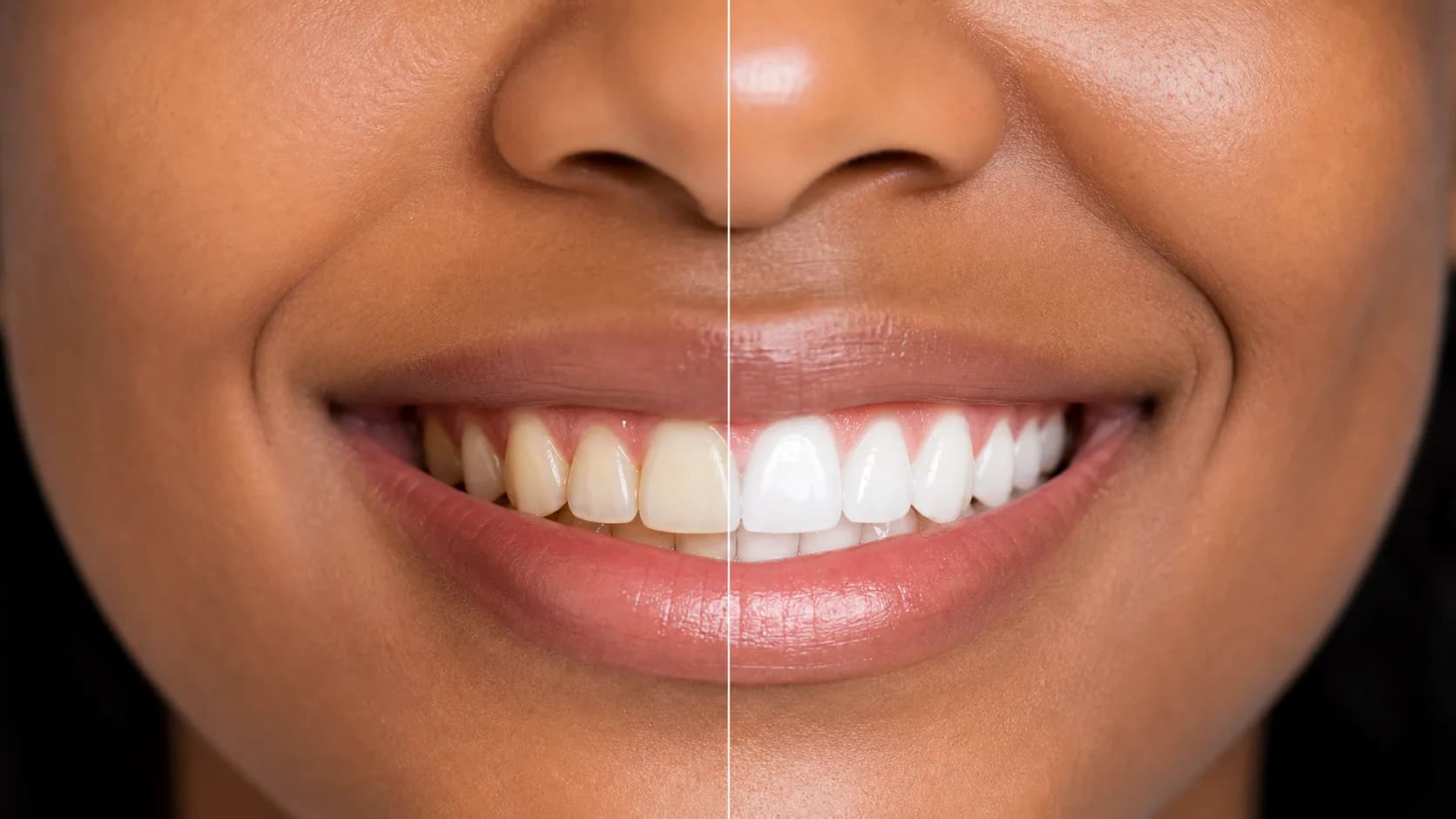
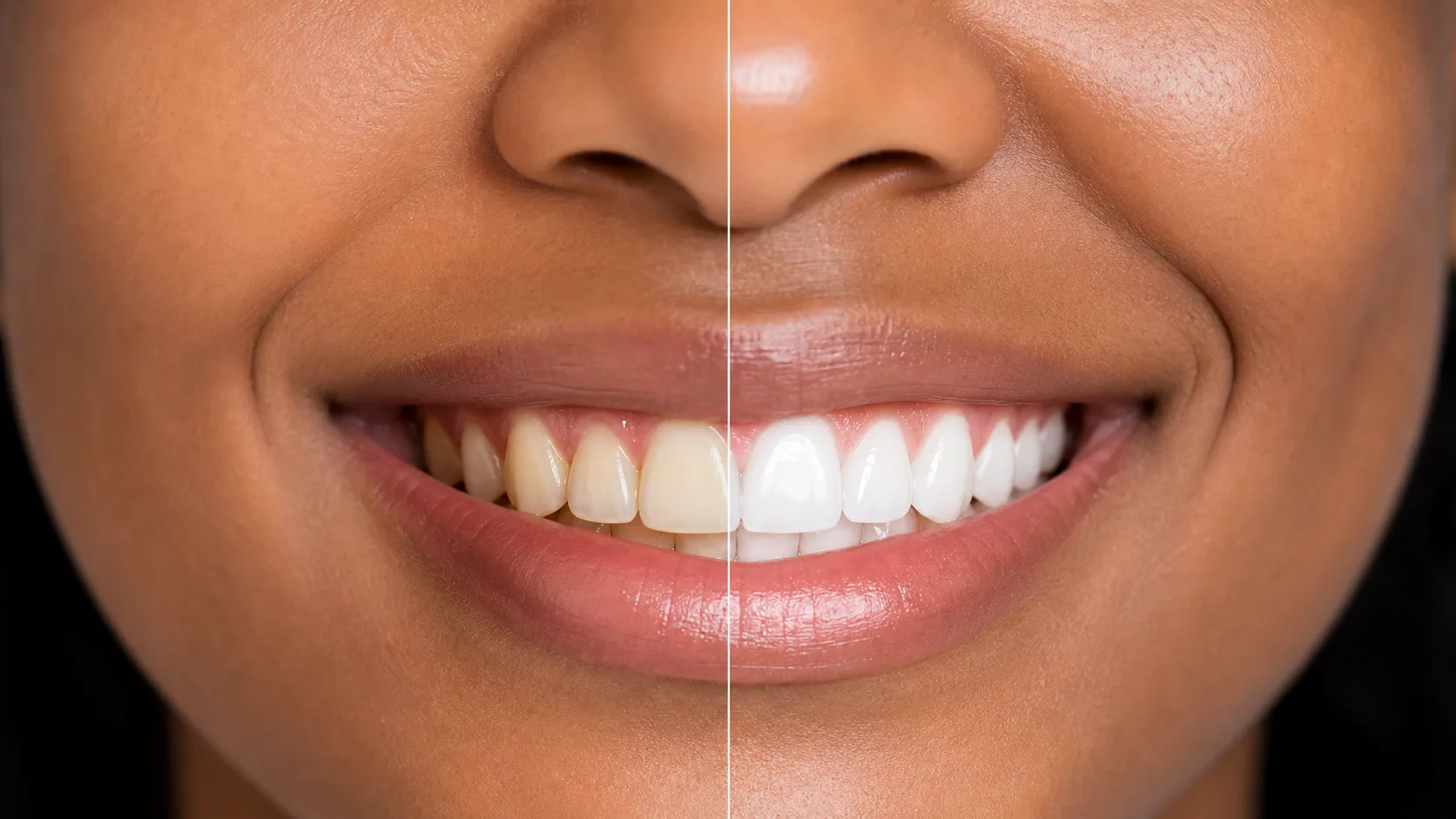
There is no single safe final shade that every patient can achieve. Starting colour, the cause of discolouration, tooth condition and existing restorations influence the result. A dentist should recommend a suitable course and review the response. Extending treatment or increasing gel strength without advice is not a reliable way to achieve a brighter result and can increase irritation.
- A shade guide supports planning but does not guarantee an outcome.
- Restorations can remain a different colour.
- The stopping point should consider comfort and clinical advice.
Why two people can respond differently
Natural tooth colour varies, and not all discolouration has the same origin. A general yellowish shade, a grey tooth after injury and a visible restoration are not equivalent starting points. Even with the same product, those situations can produce different outcomes.
Comparisons with a friend’s result or a promotional photograph leave out the starting condition, lighting and dental history. Ask the clinician to describe what is realistic for your teeth. The goal is a change you understand, not a promise based on someone else’s smile.
Use photographs and shade records carefully
A shade record can document the starting appearance and help assess change at review. Photographs can also be useful when lighting and conditions are reasonably consistent. Phone cameras, filters and bright studio lighting can make comparisons misleading.
Do not judge progress only immediately after a procedure or from a single image. Ask when the dentist recommends evaluating the result. A planned review is more informative than repeatedly checking the mirror under different lights and deciding to add another application each time the teeth look darker.
Account for fillings, crowns and uneven colour
Natural teeth and restorative materials respond differently. If a front crown or filling remains the same shade while neighbouring teeth lighten, the contrast may become more obvious. Existing white spots or a single dark tooth may also remain noticeable.
Discuss these limits before treatment. A plan to replace sound restorations solely to match a brighter shade involves additional intervention and maintenance. Ask whether a more modest whitening goal could be acceptable and what alternatives exist if the result is uneven.
| Factor | Effect on expectations |
|---|---|
| Starting shade | Influences the visible amount of change |
| Cause of discolouration | May require a different approach |
| Restorations | Can remain their original material colour |
| Sensitivity | May affect the course or timing |
| Lighting and photographs | Can distort perceived results |
More exposure is not automatically better
Whitening instructions specify a product, amount, frequency and duration for a reason. Increasing several variables at once makes it harder to assess tolerance and may irritate teeth or gums. Do not combine separate whitening systems to accelerate progress unless the clinician has specifically planned that approach.
If the response seems disappointing, contact the practice. The appropriate next step may be reassessment of the cause, a pause, review of the technique or discussion of realistic limits. It is not necessarily a stronger product or a longer daily application.
Let comfort and oral health shape the stopping point
Sensitivity and gum soreness should be reported. The team can advise whether treatment should be paused or adjusted and whether symptoms need examination. Persistent localised pain should not be assumed to be an ordinary whitening effect.
Elective appearance treatment should not take priority over active decay, a cracked tooth or inflamed gums. If the assessment identifies another problem, its management belongs in the sequence. A brighter shade does not compensate for an unhealthy or uncomfortable mouth.
5 ways to set a realistic whitening goal
It is tempting to choose a shade from a photograph and treat it as a destination that enough whitening will eventually reach. In practice, photographs do not show the full starting condition, previous treatment or editing, and teeth do not all respond in the same way. A useful goal is based on your examination and a discussion of what improvement is realistic. It should also leave room to stop or reconsider treatment if discomfort or an uneven result develops.
Ask the dentist to discuss balance as well as brightness. A small change in natural teeth can become noticeable beside a crown that does not change shade, while a very pale target may not be achievable or appropriate. You can decide that a modest improvement meets your goal without treating it as a failed attempt at a more extreme result. The endpoint should follow a supervised plan, not an open-ended cycle of products used until a screen image seems to match.
- Describe the appearance you prefer. Explain whether you want a subtle change or have a specific concern, and let the dentist discuss that goal in clinical context.
- Assess the starting point properly. Ask how natural shade, staining and existing restorations may affect the likely result before selecting a treatment or comparing before-and-after images.
- Agree how progress will be judged. Use consistent clinical review rather than repeatedly checking teeth under different bathroom lights or against an edited photograph on your phone.
- Discuss a stopping and contact plan. Know what to do about sensitivity or irritation and avoid extending the course because the change seems slower than expected.
- Review the result before deciding on more care. If the outcome is uneven or disappointing, ask why before assuming that another course or a stronger product is appropriate.
Agree on a result you can maintain
Ask how the appearance may change over time and what maintenance is appropriate. Teeth naturally change with age and exposure, and whitening is not permanent. A maintenance plan should be based on the individual situation rather than an automatic frequent bleaching schedule.
Can a practice guarantee a specific number of shades? Individual variation makes universal guarantees inappropriate. Is the whitest shade the healthiest? No; shade and health are different measures. Should you keep treating until the teeth match a reference photo? Only follow the agreed clinical plan and discuss any further goals at review.
A whitening consultation at Smile On Dental can help establish a sensible target and a defined course. The most useful outcome is an informed choice about the likely benefit, limitations and care needed afterwards.
The teeth whitening service page explains the assessment pathway. Healthy yellow teeth and professional whitening puts normal tooth colour in context, while repeating whitening or combining products addresses the temptation to keep escalating treatment. For longer-term expectations, read how long whitening results last before assuming that any cosmetic change will be permanent.
- Do not interpret a claim about a certain number of shades as a personal guarantee; starting colour and response still need individual assessment.
- Mention front-tooth fillings, bonding, veneers and crowns before treatment because they may influence what an even-looking final result can reasonably involve.
- Keep oral health ahead of a cosmetic deadline; a newly painful or damaged tooth should be assessed rather than treated as an obstacle to more whitening.
- Ask about maintaining the result through ordinary care and appropriate review, rather than planning frequent top-ups before you know how your teeth will respond.
Internal Links
Related dental care
Sources
Useful information

Written by
Dr. Kholofelo Machaba-SelatoleChief Dentist & Practice Director
Dr. Kholofelo Machaba-Selatole leads Smile On Dental & Aesthetic Studio with a warm, patient-focused approach to family, restorative, cosmetic, and orthodontic care.
View Profile