Quick Answer
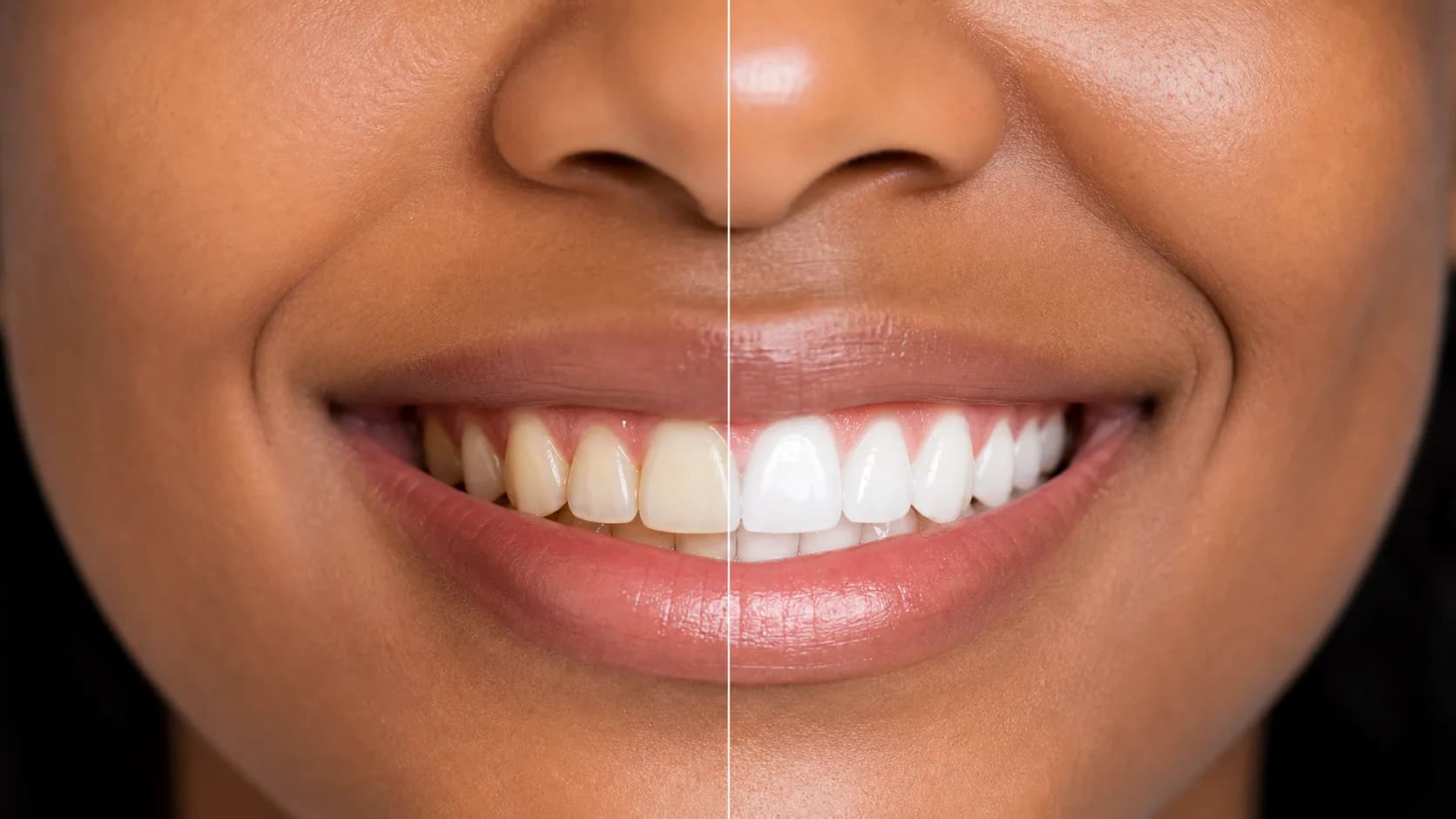
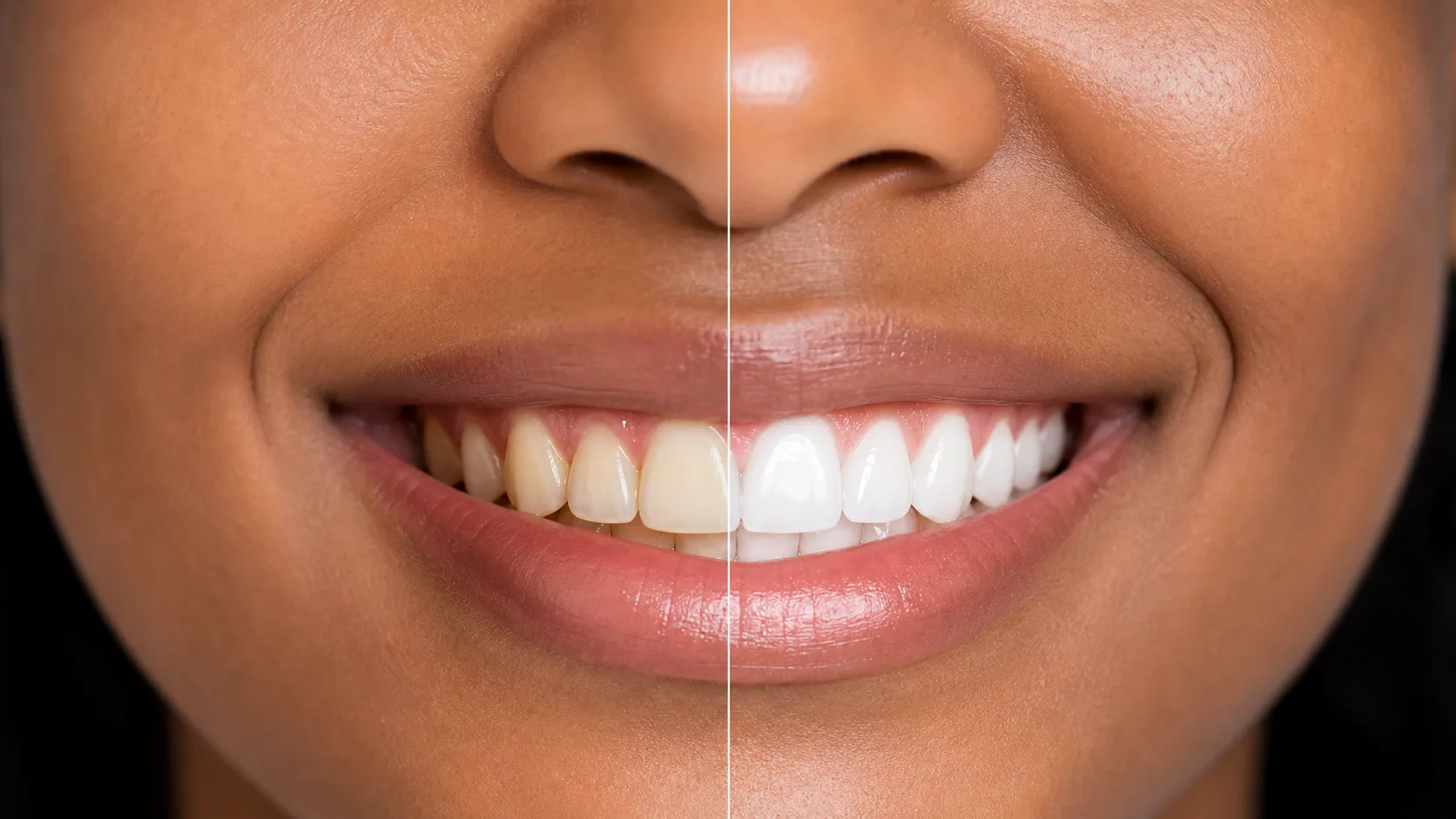
Whitening toothpastes mainly target surface staining, while professional whitening can change the colour of natural teeth through an appropriate bleaching method. The effect depends on the product and the cause of discolouration. Neither is a substitute for treating decay or gum problems, and neither predictably whitens crowns or fillings. An assessment helps match the approach to the actual concern.
- Surface stain and underlying tooth colour are different targets.
- Keep fluoride and comfort in the toothpaste decision.
- Avoid aggressive brushing to accelerate a cosmetic result.
Start by identifying what looks darker
Staining on the surface can build up from habits and deposits, while a tooth’s natural shade also reflects its internal structure. A toothpaste that removes some surface stain may make teeth look cleaner without changing that underlying colour. Understanding the difference helps set a realistic expectation.
If only one tooth is darker, or colour changed after trauma or dental treatment, ask for an assessment. A broad toothpaste comparison cannot determine the cause. Pain, swelling or a damaged restoration should take priority over cosmetic experimentation.
What a whitening toothpaste may do
Formulations vary, but many whitening toothpastes work primarily by helping remove external stain. Some use additional ingredients with different claims. Read the label and ask the dentist whether the product is appropriate for your enamel, exposed roots, sensitivity and restorations.
Do not assume that more abrasive action means a better result. Scrubbing harder or brushing excessively can irritate tissues and damage vulnerable surfaces. A cosmetic label should not distract from using an appropriate fluoride toothpaste and an effective gentle technique.
How professional whitening differs
Professional whitening involves a suitability assessment and a treatment method intended to change colour in natural teeth. It may use a prescribed home system or an in-practice approach depending on what is suitable and available. Ask the practice about its actual options rather than assuming every advertised technique is offered.
The assessment includes teeth, gums, previous sensitivity and existing dental work. It also gives you a chance to discuss the likely change and review arrangements. Clinical supervision does not make side effects impossible, but it provides a plan for responding to them.
| Question | Whitening toothpaste | Professional whitening |
|---|---|---|
| Main target | Often surface stain | Natural tooth colour when suitable |
| Need for assessment | Important for symptoms or uncertainty | Suitability should be assessed first |
| Restorations | Does not reliably change material shade | Does not whiten them like natural teeth |
| Maintenance | Part of daily oral care if appropriate | Follow a specific course and review plan |
Cleaning may be a separate useful step
Tartar and some deposits cannot be removed by simply choosing a different toothpaste. Professional cleaning may be appropriate when the concern includes build-up or gum health. Its purpose is different from bleaching, even if the teeth appear brighter afterwards.
Ask whether the main issue is deposit removal, intrinsic colour or both. This avoids paying for a whitening course when the first need is a cleaning or dental treatment. It also avoids expecting a cleaning to deliver a major change in the natural shade.
Be cautious about combining products
Using whitening toothpaste, strips and gel together is not automatically more effective or appropriate. The total exposure and the condition of the mouth matter. If sensitivity or gum soreness develops, stop the offending product and ask for advice rather than adding another product to counteract the symptoms.
Charcoal, acidic mixtures and improvised powders should not be treated as safer alternatives because they are described as natural. Their effect on stain does not establish suitability for repeated use on your teeth. Bring the actual products to the consultation if you are unsure.
5 comparison questions before buying a whitening product
A toothpaste with whitening on the label and a professionally supervised whitening course can sound like different strengths of the same treatment. That is an oversimplification. Products may work in different ways and have different purposes, so the label alone does not tell you whether they address your concern. Begin with the cause of the colour and the condition of your mouth, then ask what a particular option can reasonably achieve and what it cannot change.
Price comparisons also need context. A cheap product used repeatedly without the intended result may not be a useful purchase, while a more involved treatment may be unnecessary for someone whose main concern is surface staining. Avoid comparing only the advertised brightness claim. Your dentist can help you distinguish cleaning, stain management and bleaching, and explain whether existing restorations affect the choice. The decision should include suitability and daily prevention, not simply which packaging promises the palest smile.
- Define the concern first. Ask whether the issue is surface stain, natural shade or a localised colour change that should be examined before choosing a product.
- Check the product's intended role. Find out whether it is designed mainly for cleaning or whether it is part of a bleaching system with specific instructions.
- Keep fluoride and routine care in the discussion. A cosmetic label should not distract from the toothpaste's role in your everyday prevention plan and recommended brushing routine.
- Compare supervision and follow-up. Ask how suitability, side effects and progress would be assessed, particularly if you have sensitivity or previous problems with whitening products.
- Consider the total plan and limitations. Include existing dental work, any necessary treatment first and realistic maintenance rather than judging options by an advertised shade claim alone.
Choose according to the goal and oral health
Ask whether your concern is likely to respond to stain removal, whether bleaching is suitable and whether existing restorations would create a mismatch. Discuss the expected maintenance and costs without relying on a guaranteed shade claim. A modest improvement may be enough for one person while another goal needs a different discussion.
Can whitening toothpaste replace a professional cleaning? It cannot remove every deposit or assess gum health. Will it turn naturally yellow teeth bright white? A major intrinsic shade change should not be assumed. Is professional whitening necessary for healthy teeth? It is an elective appearance choice when suitable.
A dental assessment can help you choose a proportionate approach, with ordinary prevention kept at the centre rather than allowing a cosmetic product to replace the care your teeth actually need.
Our dental cleaning and teeth whitening pages explain those separate services. Repeating whitening or combining products covers the risks of increasing treatment yourself, while healthy yellow teeth and professional whitening helps frame a cosmetic decision when the teeth may already be healthy and the main concern is their natural colour.
- Do not combine several whitening products simply because they are sold separately; discuss the whole routine so ingredients and exposure are considered together.
- Avoid abrasive home mixtures intended to intensify a toothpaste's effect, and seek advice if a product causes persistent discomfort or gum irritation.
- Bring the packaging or a clear ingredient photograph to your appointment if the product name does not explain what it contains or how it should be used.
- Ask whether a professional clean is relevant to your concern, while recognising that cleaning and bleaching have different purposes and should not be described as interchangeable.
Internal Links
Related dental care
Sources
Useful information
Written by
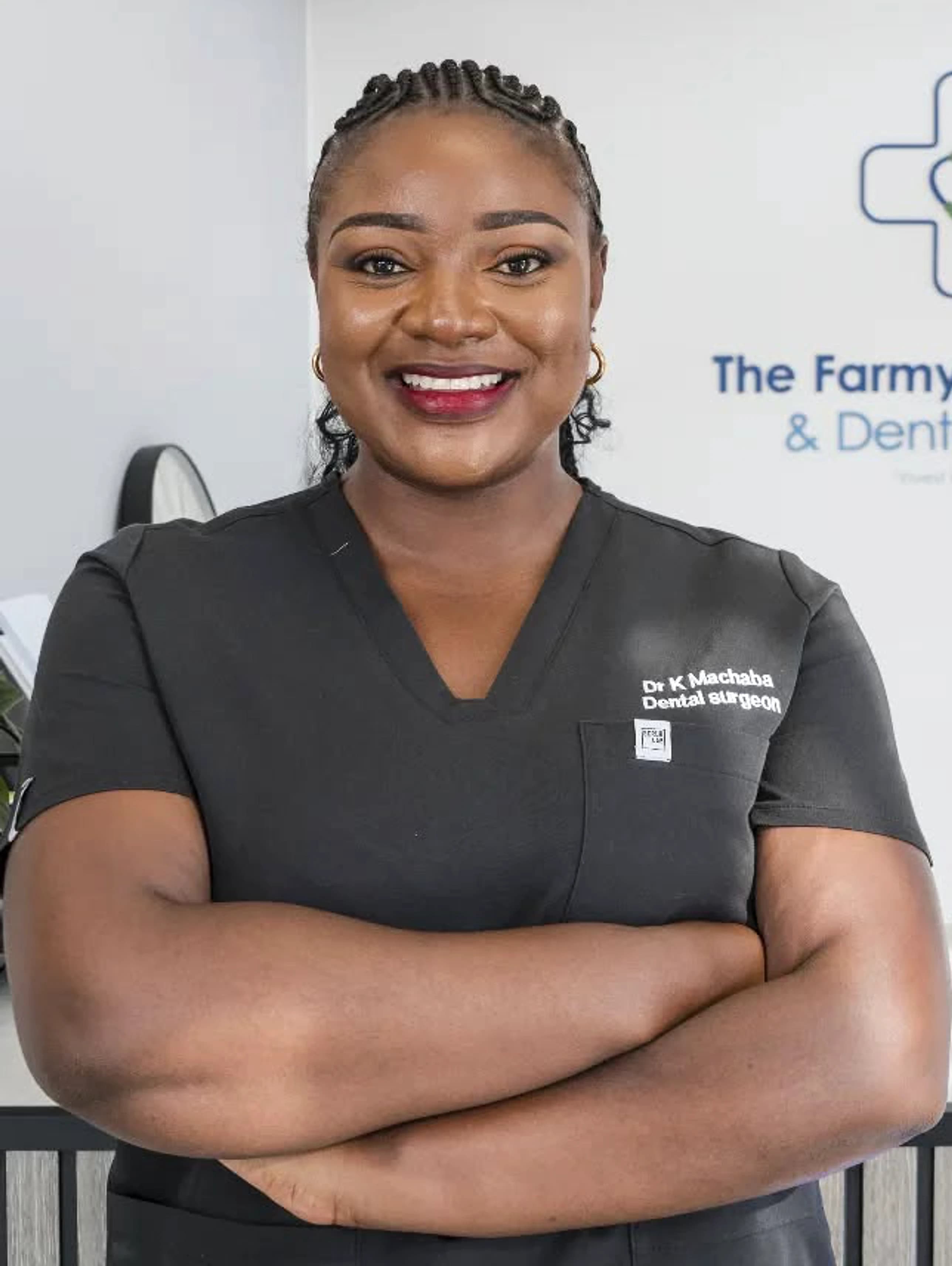
Dr. Kholofelo Machaba-SelatoleChief Dentist & Practice Director
Dr. Kholofelo Machaba-Selatole leads Smile On Dental & Aesthetic Studio with a warm, patient-focused approach to family, restorative, cosmetic, and orthodontic care.
View Profile