Quick Answer
Repeated whitening or combining products without guidance can increase sensitivity and soft-tissue irritation, and may be unsuitable for your teeth or restorations. Follow a defined product and course rather than adding strips, gels and abrasive products together. If the result disappoints, ask for reassessment of the colour and expectations. Do not assume that more exposure will solve the problem.
- Keep one coordinated plan rather than stacking products.
- Persistent pain or gum irritation is a reason to stop and seek advice.
- Restorations will not necessarily match with more bleaching.
Think about the total exposure
A toothpaste, strip and gel may each have separate instructions, but using all three together creates a different overall routine. Product strength, contact time, frequency and the condition of the mouth can all matter. A claim that one item is gentle does not establish that a combined programme is suitable.
Tell the dentist everything you use, including products purchased online and occasional touch-ups. A complete history is important when sensitivity develops. Do not assume a product is irrelevant because it was marketed as natural, cosmetic or for everyday use.
A slow or uneven result needs explanation
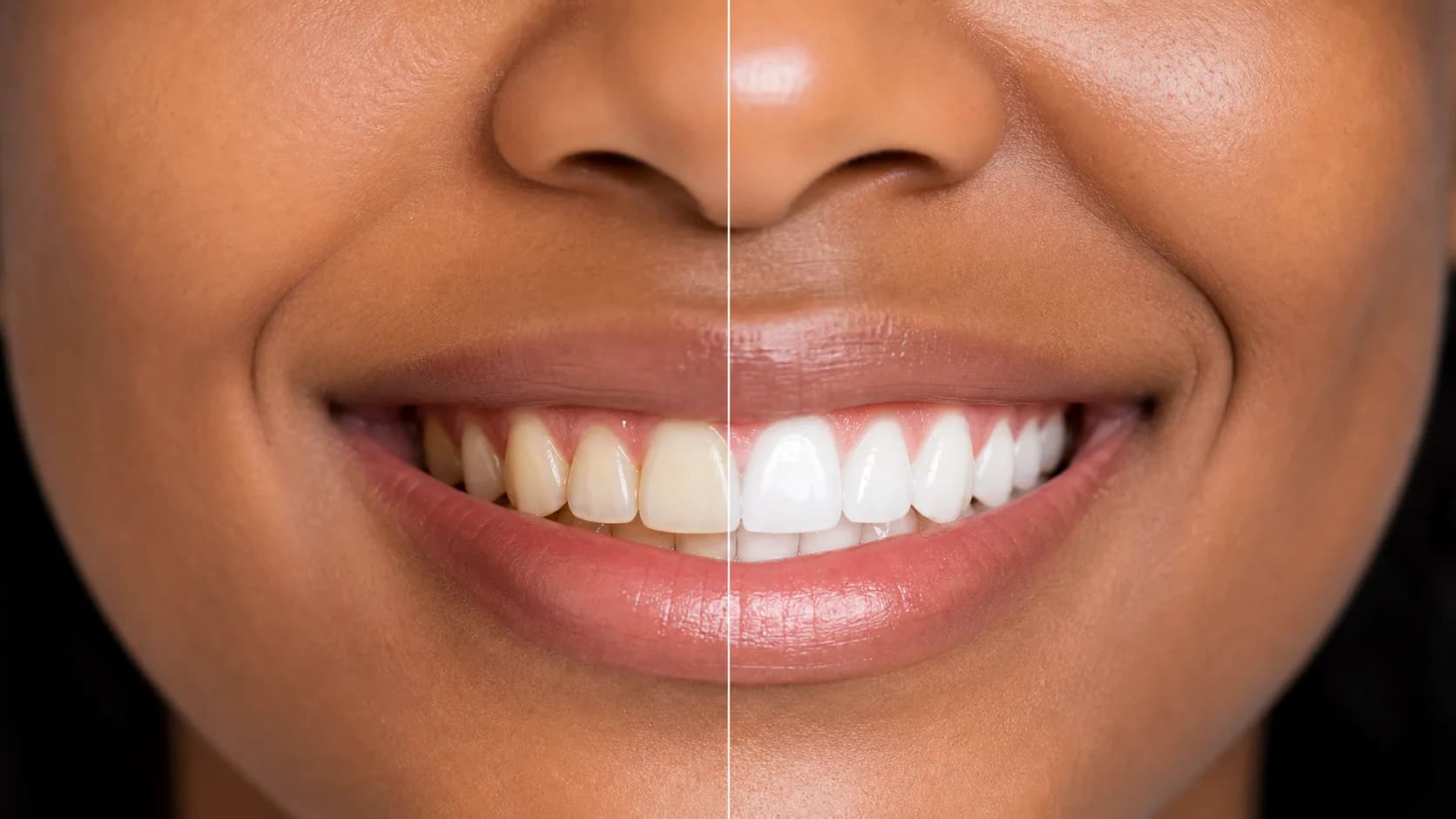
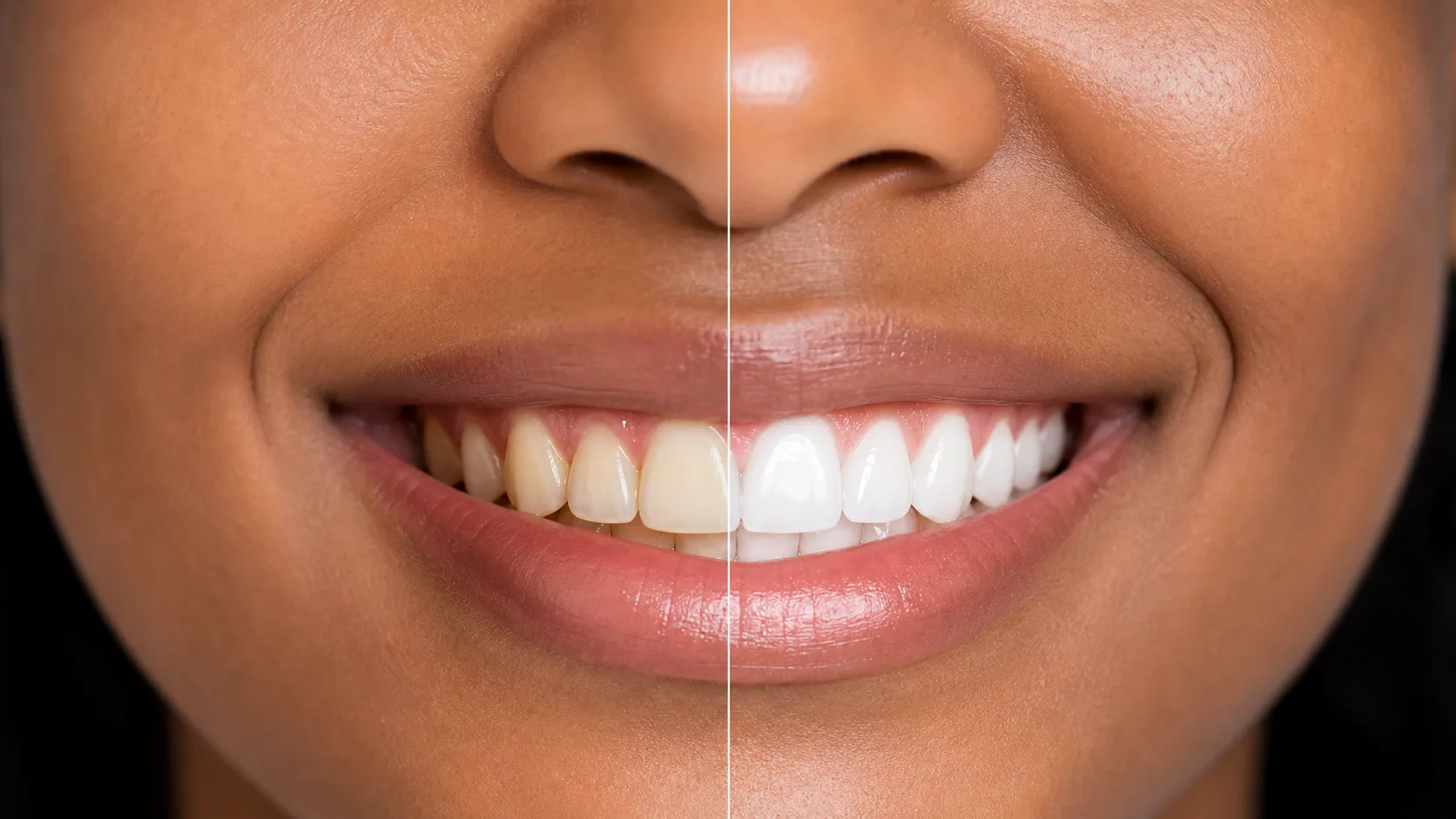
Whitening may have limits because of the underlying colour, existing restorations or a condition affecting one tooth. More applications will not necessarily overcome those limits. A crown or veneer will not reliably become the same colour as natural enamel through repeated bleaching.
Ask whether the original goal was realistic and whether a different diagnosis or approach is needed. If the main problem is surface stain, cleaning may be more relevant. If a single tooth has changed colour, that tooth needs assessment rather than a stronger whole-mouth course.
Do not use discomfort as a progress indicator
Sensitivity or sore gums does not prove that a product is working better. It is information about how the tissues are responding. Pause the offending product and seek advice when symptoms are troublesome, persistent or localised. Severe pain should not be normalised as a cosmetic treatment requirement.
The clinician may need to check for exposed dentine, decay, cracks, inflammation or a tray problem. A change to instructions may be appropriate, but so may stopping or treating another issue first. An online schedule cannot make that decision for your mouth.
| Concern | Better response than adding more product |
|---|---|
| Little visible change | Review the cause and realistic target |
| One tooth remains dark | Assess that tooth individually |
| Gum soreness | Stop exposure and seek advice |
| Sensitivity persists | Arrange a clinical review |
| Restoration mismatch | Discuss shade planning, not stronger bleaching |
Avoid abrasive and acidic shortcuts
Charcoal, scraping powders, lemon mixtures and other improvised methods can create problems while trying to remove colour. A visible stain reduction does not prove that repeated use is safe for enamel, exposed roots or restorations. Brushing more forcefully can also damage tissues.
Keep ordinary fluoride brushing gentle and consistent. Ask whether a chosen whitening toothpaste is appropriate, particularly if you already have sensitivity or recession. Cosmetic goals should not displace the routine that protects against decay and gum disease.
Repeat courses need a current plan
Before restarting old gel, confirm its expiry, storage and suitability. Check the tray fit, especially after fillings, crowns or tooth movement. A previous successful course does not guarantee that the same routine remains appropriate months or years later.
There is no universal interval at which every patient should bleach again. The decision should account for current oral health, the previous response and the reason for wanting another course. Ask how the result will be evaluated and when to stop rather than continuing until the product is finished.
5 checks before another whitening course
A disappointing result can make it tempting to add strips to a tray system or use a stronger product between prescribed applications. The problem is that separate products do not become a safe combined plan simply because each has its own instructions. The total exposure, the condition of your teeth and gums and the reason for the limited result need assessment. More treatment may not address the concern, particularly when restorations or a localised colour change are involved.
Before buying anything else, describe what happened during the original course. Did the colour change unevenly, did sensitivity limit use, or did a crown remain darker than the surrounding teeth? These are different questions. The dentist can review the result and explain whether further whitening, another approach or no additional treatment is appropriate. Keep a record of the products used and avoid minimising side effects because you are hoping to continue quickly. A complete history helps the clinician make a safer recommendation.
- List every whitening product used recently. Include toothpaste, strips, gels and products bought online so the clinician can understand the whole routine rather than one item.
- Describe the actual application pattern. Record any extended sessions, extra gel or overlapping courses honestly, because those details matter to assessment and advice about further treatment.
- Explain the remaining colour concern. Identify whether it affects natural teeth, a restoration, isolated patches or one dark tooth before assuming another course will solve it.
- Report discomfort or tissue changes. Sensitivity and gum irritation deserve review even if they improved after stopping, and should not be treated as proof that a product worked.
- Wait for a revised plan before restarting. Ask for the product, method, duration and follow-up instructions in writing so there is no need to improvise between appointments.
Questions that keep the plan clear
Which product should I use? What amount, frequency and duration apply? Which other products should I avoid? What symptoms mean I should pause? When should the result be reviewed? A clear answer to these questions is more useful than a broad promise of stronger whitening.
Can several low-strength products be assumed safe together? No. Does professional supervision eliminate all side effects? No, but it supports appropriate selection and response. Can healthy teeth be made indefinitely whiter? There are individual limits and a need to protect comfort and oral health.
If your whitening routine has become a collection of different products, bring them to a Smile On Dental consultation. A coordinated plan can clarify what is useful, what is unnecessary and whether another dental issue needs attention first.
Professional teeth whitening includes suitability and monitoring. How white teeth can safely become helps set expectations, while white or sore gums after whitening gel addresses a reaction that needs attention. If the result is limited by dental work, whether fillings, crowns and veneers whiten explains why adding products may not solve the mismatch.
- Do not use a friend's gel in your own trays without professional direction; product suitability and instructions cannot be inferred from similar-looking packaging.
- Avoid compensating for missed sessions with longer applications unless your treating clinician has specifically instructed that change for the product and your circumstances.
- Check old products and appliances with the team before reuse, particularly when they have been stored for a long period or the fit has changed.
- Be cautious about a deadline that encourages repeated treatment; an event date does not establish that more bleaching is appropriate for your mouth.
Internal Links
Related dental care
Sources
Useful information

Written by
Dr. Kholofelo Machaba-SelatoleChief Dentist & Practice Director
Dr. Kholofelo Machaba-Selatole leads Smile On Dental & Aesthetic Studio with a warm, patient-focused approach to family, restorative, cosmetic, and orthodontic care.
View Profile