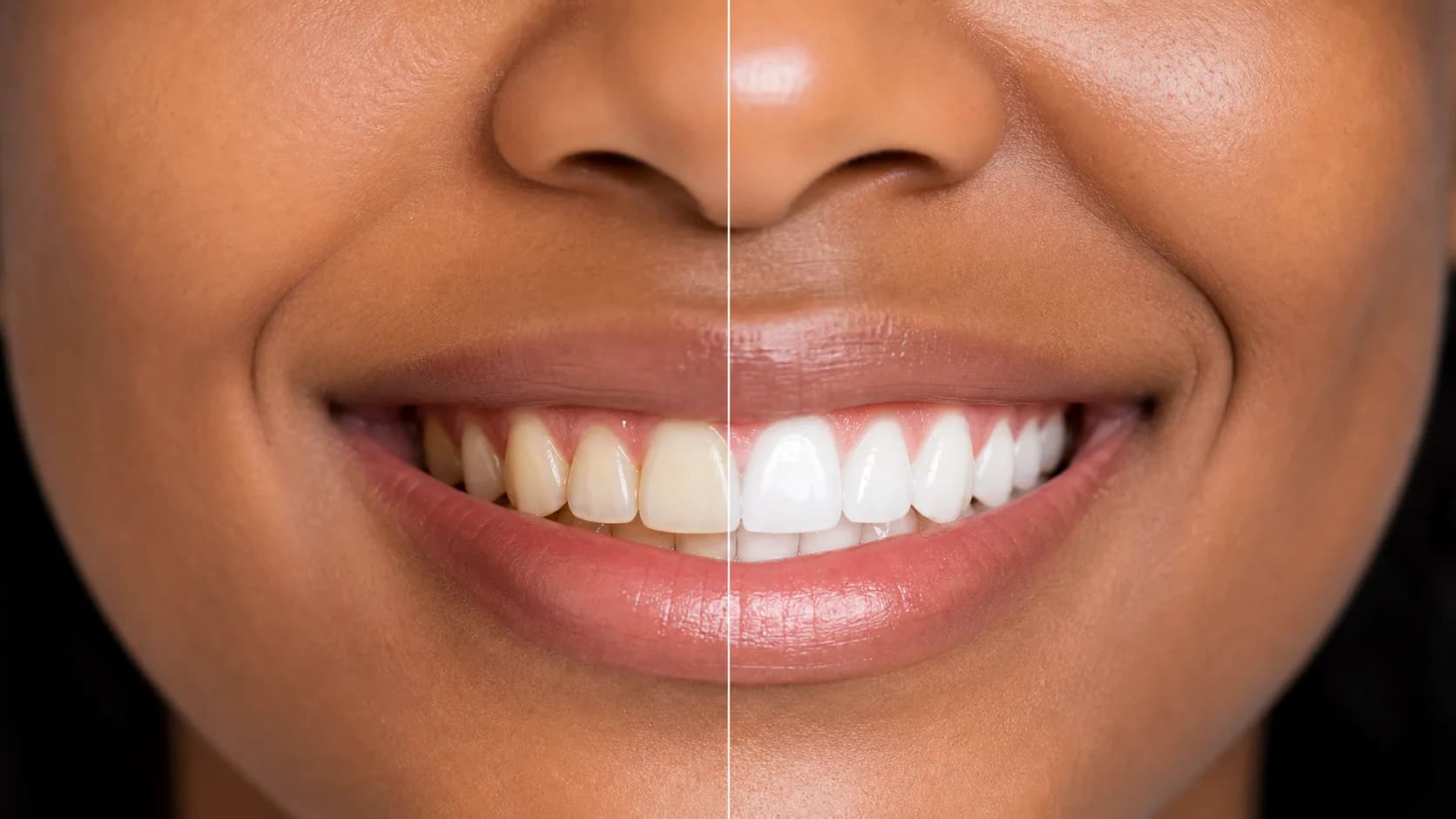
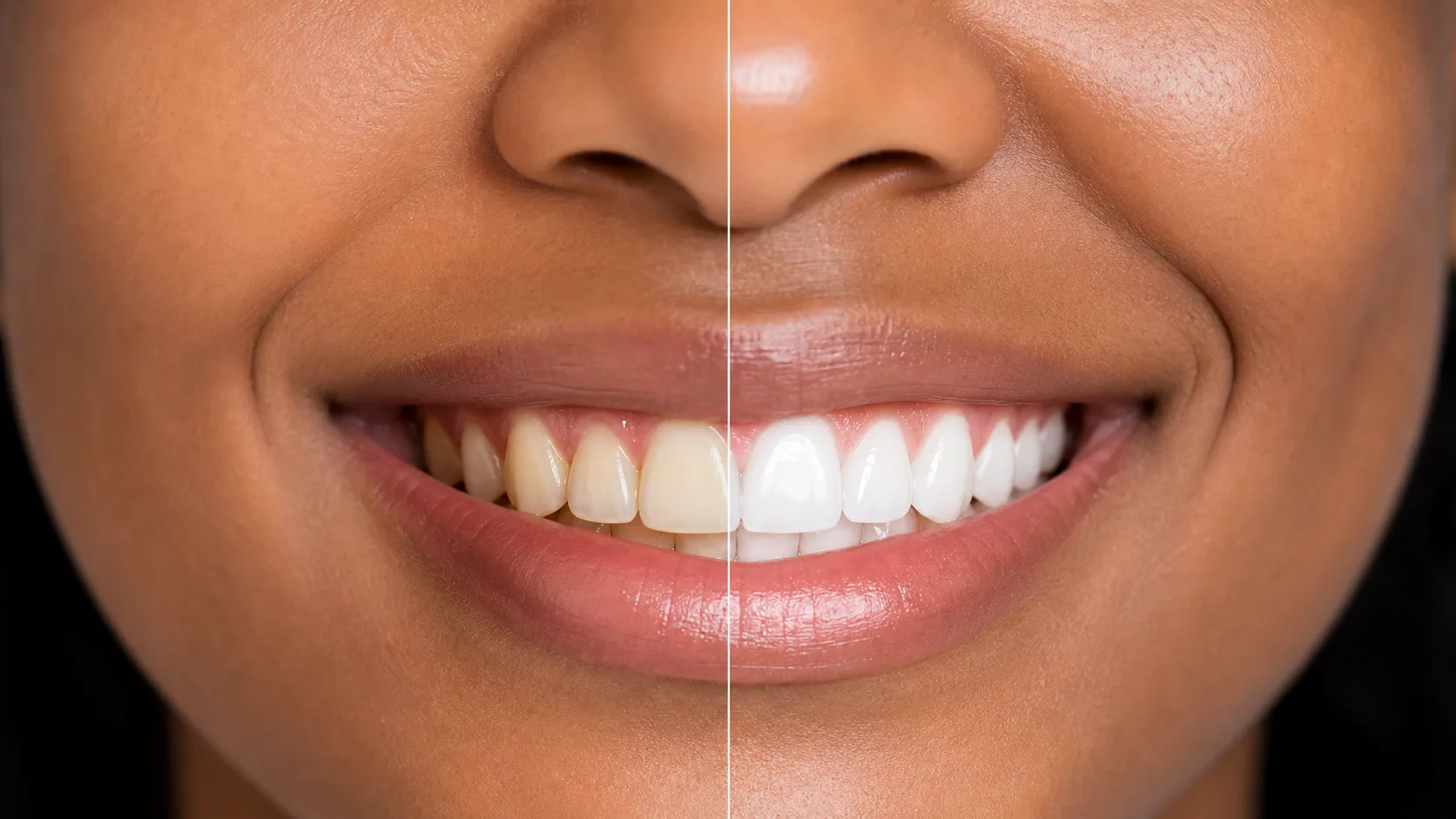
Quick Answer
Follow the aftercare instructions for the whitening method used, rather than assuming every treatment requires the same strict “white diet”. Choose foods and drinks that are comfortable if teeth are sensitive, keep normal oral hygiene and ask about staining exposures relevant to your plan. Persistent tooth pain or gum soreness should be reported instead of managed only by changing what you eat.
- Product-specific instructions take priority over generic diet rules.
- Comfort and oral health matter alongside colour.
- Do not let aftercare become an unnecessarily restrictive diet.
Ask for the instructions before leaving the practice
Different whitening methods and products can come with different advice. Confirm when you can eat and drink, whether any temporary restrictions apply and how to use prescribed trays if treatment continues at home. A written plan reduces uncertainty once you are preparing a meal later.
If you receive conflicting instructions from the product packaging and the clinician, ask for clarification. Do not resolve the conflict by following the longest restriction found online. The advice should relate to the actual product, your oral health and the treatment performed.
Distinguish staining concerns from sensitivity
A dark drink and a very cold drink raise different questions. One may be discussed because of staining, while another may trigger sensitivity. A colour-based food rule does not address every issue, and a pale food can still be acidic or sugary.
If the teeth feel sensitive, choose a comfortable temperature and texture while seeking advice as needed. Do not assume that severe or persistent pain is simply something to manage by avoiding cold food. A particular painful tooth may need assessment for another cause.
Keep meals balanced and practical
You do not need to build a prolonged diet around only a few pale foods unless there is a specific clinical reason for a restriction. Maintain normal nutrition and follow medical dietary requirements. If advice seems incompatible with a health condition or nutritional need, ask the team to adapt it.
The useful discussion is about the product, staining habits and comfort, not whether every ingredient passes a social-media colour test. Water is a practical drink choice, and meals can be planned around foods you tolerate without turning elective whitening into a stressful eating regime.
| Concern | Question to ask |
|---|---|
| Temporary product restriction | How long and for which foods or drinks? |
| Cold sensitivity | What changes should prompt a pause or review? |
| Coffee or tea habit | What maintenance advice fits this treatment? |
| Medical dietary need | How should instructions be adapted? |
| Ongoing tray course | When should meals and cleaning fit around wear? |
Do not replace meals with frequent sweet snacks
Soft or pale foods can still contain substantial sugar. Repeated snacking and sweet-drink sipping can increase dental risk even if those foods appear compatible with a whitening diet. Whitening does not protect against decay.
Keep the broader prevention routine in view: appropriate fluoride toothpaste, cleaning between teeth and a balanced eating pattern. If sensitivity is causing you to avoid normal meals, contact the treating team rather than drifting into a prolonged diet of sweet drinks or desserts.
Continue cleaning gently and appropriately
Follow the prescribed brushing and tray-cleaning instructions. Do not scrub aggressively to remove stain from a single meal or use abrasive powders to protect the result. If gel has irritated the gums, further rubbing can make the tissues more uncomfortable.
Ask before adding a new whitening toothpaste, strip or rinse during the course. Combining products may change exposure and side effects. A maintenance product should have a clear role rather than be added simply because you are worried about undoing the treatment.
5 practical questions about meals after whitening
Advice about food after whitening can become confusing when a product leaflet, a social-media post and a friend's experience all suggest different rules. Start with the instructions for your actual treatment and ask the supervising dentist to clarify anything that seems inconsistent. There is no value in creating an unnecessarily restrictive menu from several unrelated sources. The plan should support normal nutrition, comfort and oral care while following the requirements of the method used for your teeth.
Tell the dentist about the habits that are hardest to change. A daily coffee, a shift-work meal pattern or a family event may need practical discussion rather than a vague instruction that you are unlikely to follow. Also distinguish avoiding a colour concern from managing discomfort. If eating or drinking becomes painful, report the symptoms instead of assuming that a special diet is the only answer. A food plan should not distract from the need to review a reaction to treatment.
- Confirm the exact aftercare instructions. Ask which restrictions apply to your whitening method and for how long, rather than assuming every product has the same rules.
- Discuss your usual drinks honestly. Coffee, tea and other regular choices should be part of a realistic plan that you understand and can follow consistently.
- Keep meals balanced and manageable. Ask about any genuine restrictions before excluding broad food groups, particularly if you already follow a medically required or limited diet.
- Continue the recommended cleaning routine. Clarify toothpaste and any additional products instead of adding aggressive brushing or another whitening product to compensate for what you ate.
- Report discomfort that affects eating. Explain whether it involves several teeth, one tooth or the gums, and follow the team's advice about pausing treatment or returning for assessment.
Know which symptoms deserve a call
Report troublesome sensitivity, white or sore gum patches, persistent localised pain or an appliance that no longer fits. Follow advice about pausing the whitening product. Seek urgent medical help for serious swelling, breathing difficulty or another severe reaction.
Is a strict white diet universal? No; use the instructions for your treatment. Will one cup of coffee necessarily ruin the result? A single exposure should not be treated as proof of treatment failure; discuss realistic habits and maintenance. Should you keep whitening if eating becomes painful? Contact the team rather than pushing through.
A good aftercare plan is specific, proportionate and easy to follow. If the instructions leave you unsure what to eat or drink, ask the practice to clarify the few actions that matter for your actual treatment.
Our teeth whitening page covers the treatment pathway, and how long whitening results last discusses maintenance expectations. If irritation develops, white or sore gums after whitening gel explains why the symptoms need attention. Oral hygiene guidance supports the daily care that continues regardless of which cosmetic treatment you choose.
- Do not assume that pale-coloured foods are automatically better for teeth; the overall diet and frequency of sugary exposure remain part of ordinary oral care.
- Avoid inventing a rigid timetable from online advice when your clinician has given instructions for a specific product or supervised treatment course.
- If you are travelling immediately afterwards, ask how to contact the practice and keep the written instructions available so you do not need to improvise.
- Treat maintenance as an ongoing discussion rather than a promise that avoiding a short list of foods will preserve the same shade indefinitely.
Internal Links
Related dental care
Sources
Useful information
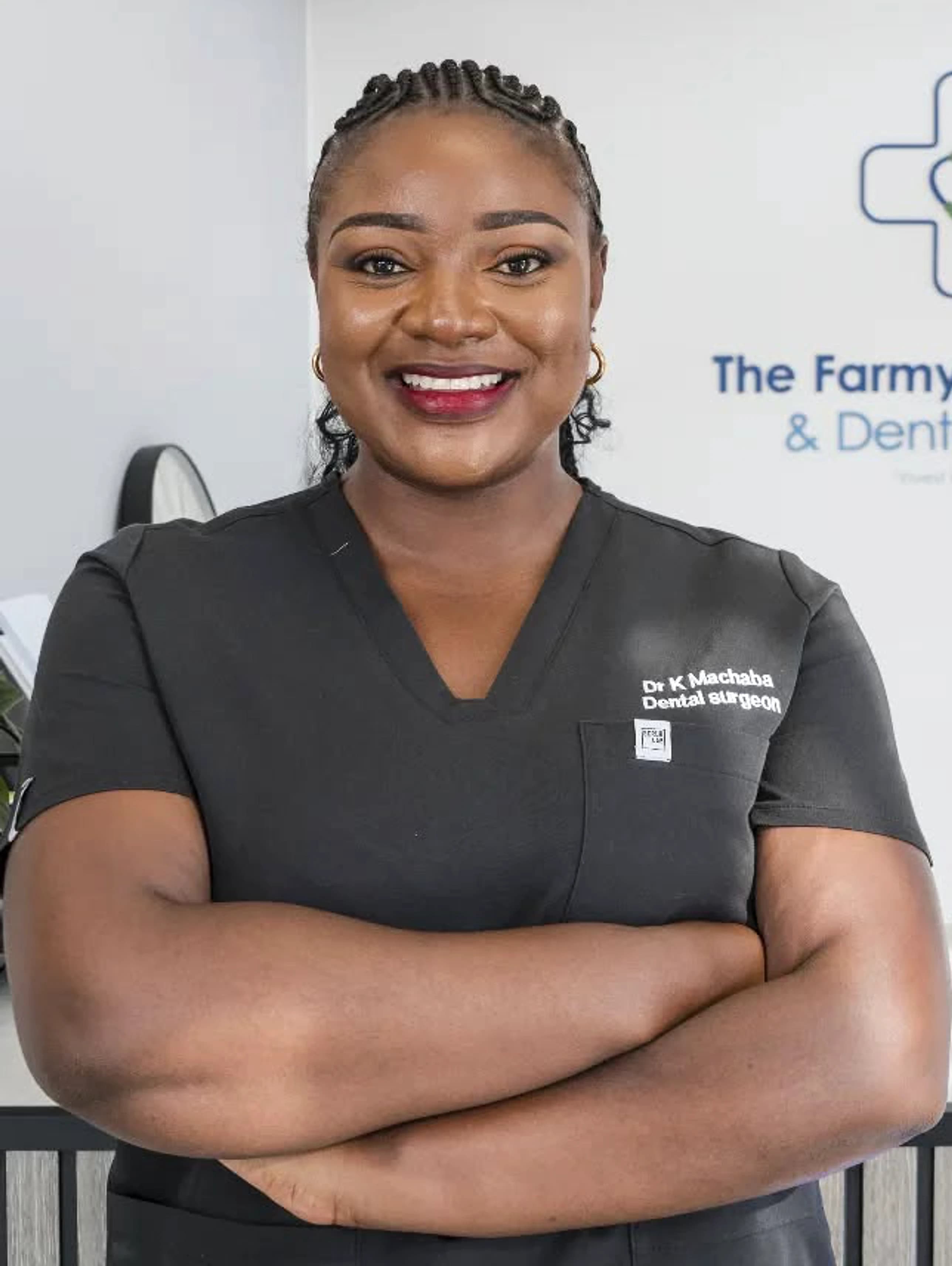
Written by
Dr. Kholofelo Machaba-SelatoleChief Dentist & Practice Director
Dr. Kholofelo Machaba-Selatole leads Smile On Dental & Aesthetic Studio with a warm, patient-focused approach to family, restorative, cosmetic, and orthodontic care.
View Profile