Quick Answer
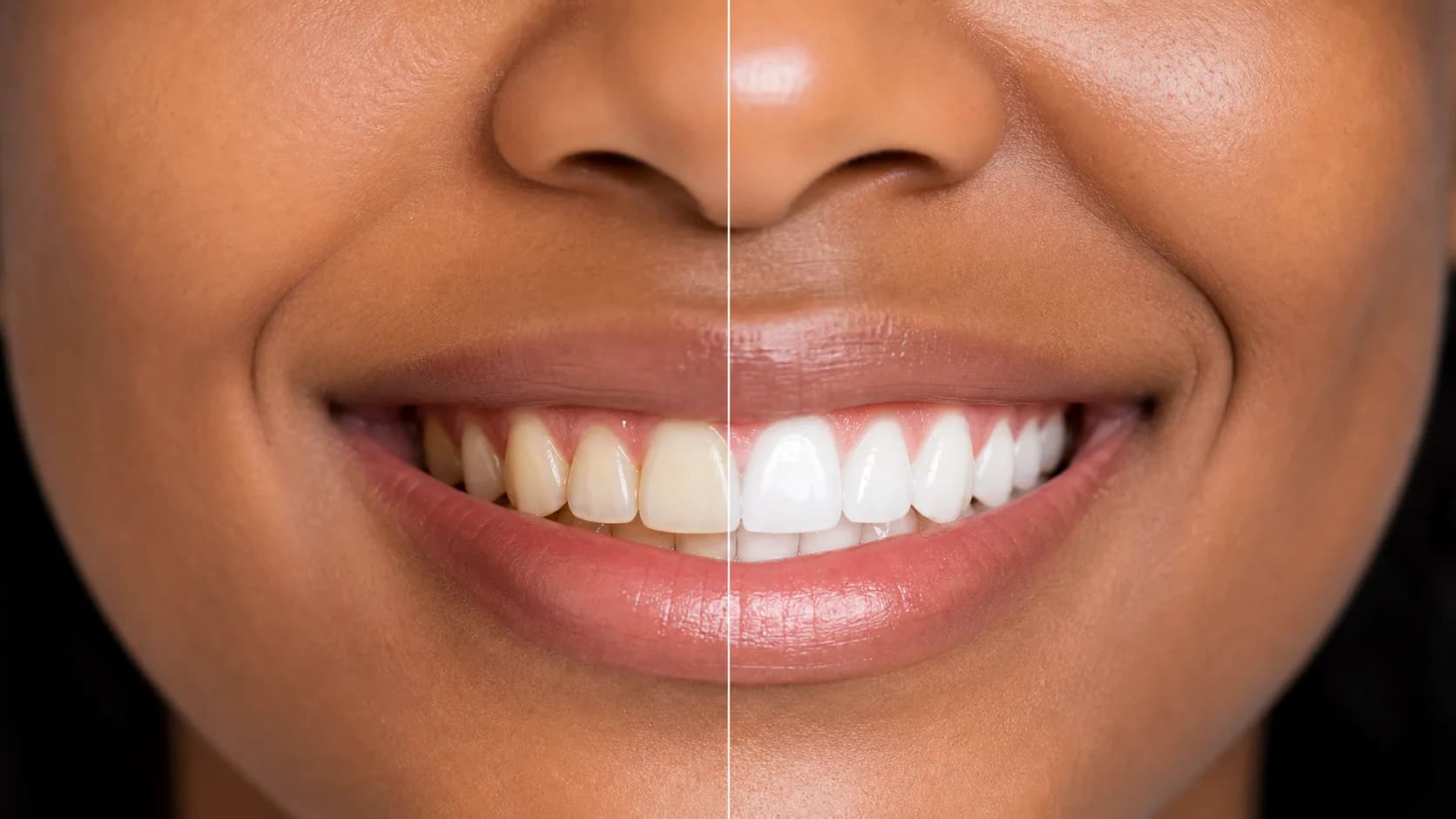
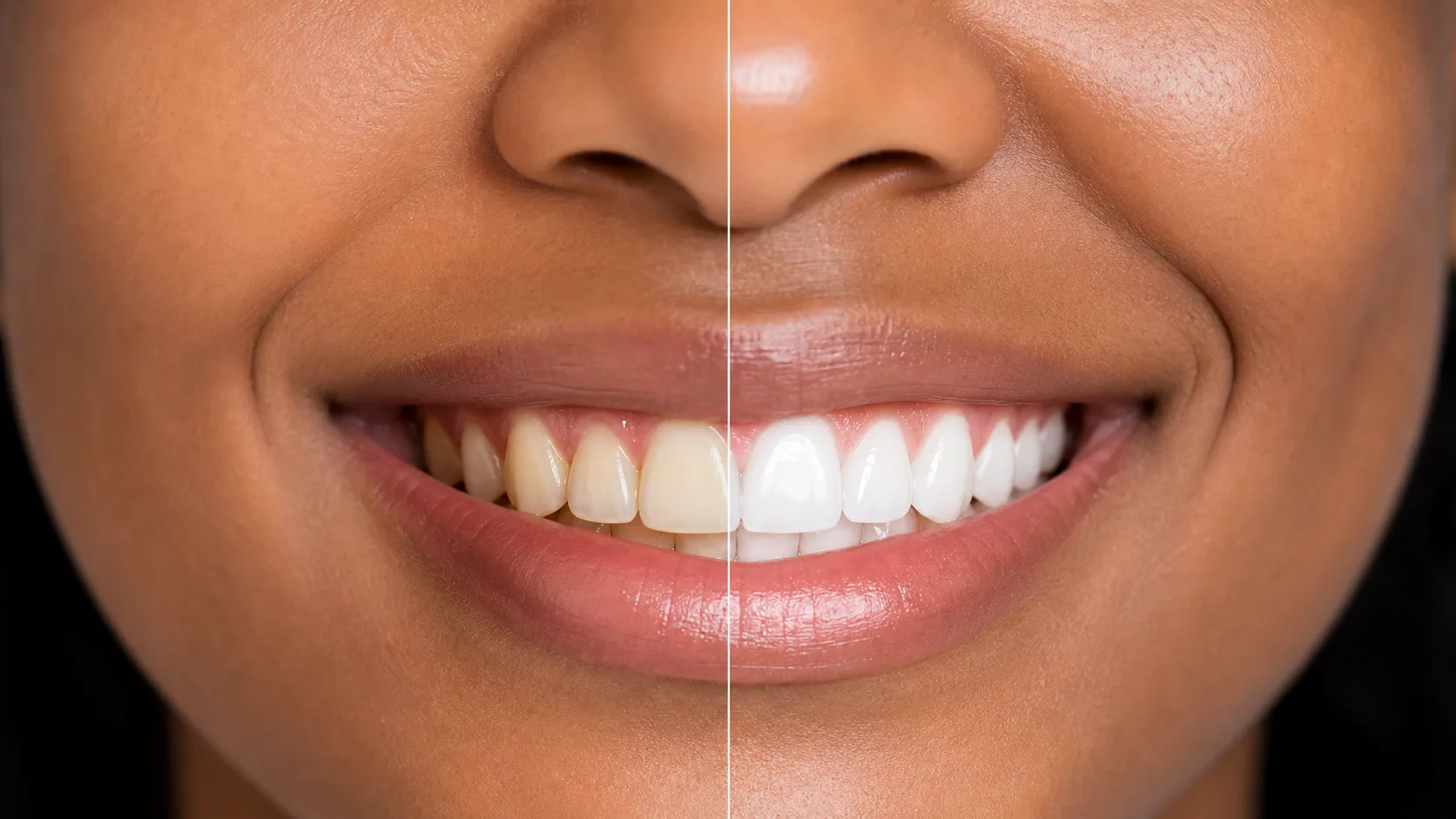
Whitening results last for different lengths of time depending on the original colour, treatment, habits and oral health. Surface staining and natural colour changes can gradually alter the appearance. There is no universal touch-up schedule. Ask the dentist to review any repeat treatment, especially if one tooth darkens, sensitivity develops or existing restorations no longer match.
- A fixed lifespan cannot be promised for every smile.
- Surface stain and a new tooth problem need different responses.
- Repeat whitening should follow a suitable reviewed plan.
Think of whitening as a change that needs context
Whitening does not freeze the teeth at a permanent colour. The mouth continues to experience everyday foods, drinks, ageing and dental changes. A result that looks stable for one person may alter sooner for another because the starting conditions and habits differ.
Be cautious with precise promises based only on a product name. Ask what maintenance is reasonable for your case and what the practice considers a useful review point. The goal is to preserve oral health and an acceptable appearance, not to keep repeating treatment on a calendar without checking the teeth.
Separate surface staining from underlying colour
External stain can collect on teeth over time. Cleaning may improve some of it where appropriate, while the natural tooth colour is a different issue. A dentist can help distinguish a deposit problem from a change that might respond to further whitening.
If one tooth becomes darker while the others remain stable, do not assume the original course has simply worn off. Mention previous injury, root canal treatment or new symptoms. A localised change needs assessment before another general whitening course is started.
Habits can influence the appearance
Coffee, tea, tobacco and other staining exposures can affect colour over time. The frequency and duration of exposure matter, but patients should avoid interpreting maintenance as a requirement to eliminate every enjoyable food permanently. Discuss realistic changes rather than an unnecessarily restrictive routine.
Smoking also has oral-health implications beyond appearance. If you smoke, discuss support for stopping and any concerns about gums or healing. Whitening should not be treated as a way to cancel those effects or make tobacco use harmless.
| Change noticed | Useful discussion |
|---|---|
| Gradual general staining | Cleaning and maintenance habits |
| One tooth darkening | Investigate the individual tooth |
| Restoration looks darker by comparison | Review the shade relationship |
| Sensitivity during touch-ups | Pause and seek product-specific advice |
| Repeated desire to bleach | Review expectations and exposure |
Protect the basics between reviews
Brush gently with appropriate fluoride toothpaste and clean between teeth as advised. Keep routine dental examinations and cleaning appropriate to your risk. A cosmetic result is easier to evaluate when plaque, gum inflammation and other dental problems are being managed.
Avoid aggressive stain removal with abrasive powders or acidic mixtures. These can create a different problem while chasing colour. If a toothpaste seems to cause burning or sensitivity, discuss an alternative rather than accepting discomfort as evidence that the whitening ingredient is working.
Do not assume old gel or trays are still suitable
Before restarting an old course, check the product’s expiry and storage requirements and speak to the treating team. A tray that once fitted may no longer suit the mouth after dental work or tooth movement. More gel leaking onto the gums is not an acceptable maintenance strategy.
Ask whether a touch-up is appropriate and what exact instructions to follow. Do not use a family member’s product or combine leftover gel with a different system. A short review can identify reasons to delay, change or avoid another course.
5 questions for a realistic whitening maintenance plan
After a successful course, a patient may notice gradual colour change and wonder whether it is time to repeat treatment. Another may compare a recent photograph with an older one and think the result has disappeared. Before deciding on a top-up, consider whether lighting, surface stain or a genuine change in shade explains the concern. A review is more useful than assuming that every difference needs another bleaching course or that a fixed calendar interval suits everyone.
Maintenance also needs to fit the rest of your dental care. If a new filling, crown or other treatment is being planned, discuss the colour goal as part of that process. If sensitivity has developed since the last whitening course, mention it before reusing an old kit. The fact that a product was appropriate previously does not establish that the same instructions remain suitable now, particularly if the trays, teeth or mouth have changed since the original assessment.
- Record the original treatment details. Keep the product and tray information, the instructions you received and any side effects that occurred during the course for future review.
- Describe what has changed. Explain whether the concern is general darkening, a local stain or one tooth that now looks different from the rest of the smile.
- Review daily habits without unrealistic promises. Discuss cleaning, tobacco and staining drinks as relevant, while recognising that no routine guarantees a permanently unchanged tooth shade.
- Check suitability before any top-up. Ask whether the teeth, gums and existing trays need reassessment and whether other dental work affects the timing or expected appearance.
- Agree how future decisions will be made. A clear review plan is preferable to repeatedly buying products whenever photographs or changing light make the result seem different.
Review the result in ordinary conditions
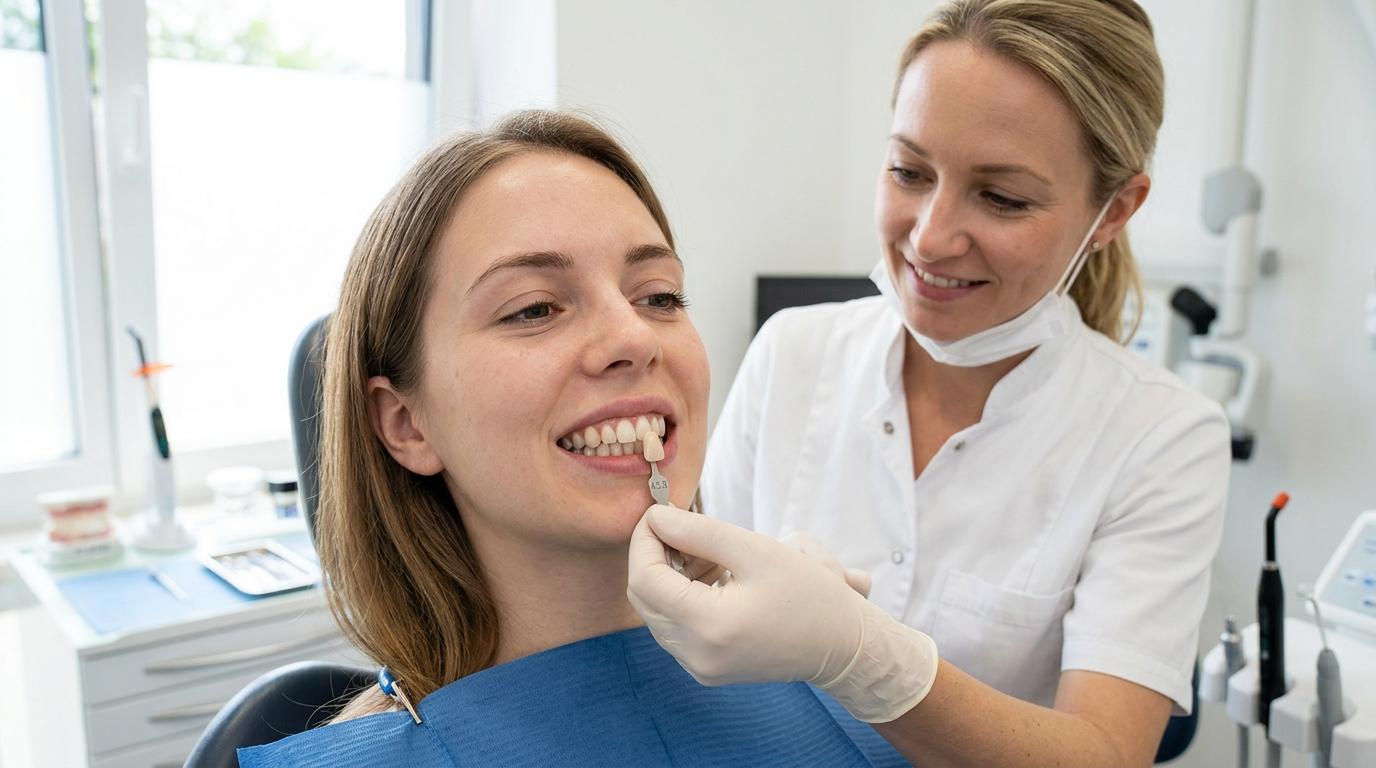
Compare appearance under similar everyday lighting rather than relying on a single photograph. Bring your concern to the dentist and explain what has changed and when. Ask whether the change is expected, stain-related or a reason for further investigation.
Do results always last a set number of years? No; individual duration varies. Does a darker shade mean poor brushing? Not necessarily. Can more frequent whitening prevent all colour return? It does not guarantee that and may increase side effects if used inappropriately.
At Smile On Dental, a maintenance discussion can connect appearance goals with current oral health and the condition of existing dental work. That is more useful than automatically repeating the same treatment whenever the teeth look different in a photograph.
Professional teeth whitening should include a discussion of maintenance. Our guide to eating and drinking after whitening covers practical aftercare questions, while repeating whitening or combining products explains why top-ups need direction. If restorative work is planned, whitening before bonding, veneers or crowns helps you discuss the sequence of treatment.
- Do not reuse a damaged or poorly fitting tray simply because it was supplied for an earlier course that gave a satisfactory result.
- Avoid setting a repeat-treatment schedule from another person's experience; their teeth, habits, products and response may differ substantially from your own situation.
- Mention new medicines or health changes at review, particularly if they affect comfort or your ability to follow the home-care routine consistently.
- Keep expectations realistic when comparing shades over time, and ask the dentist whether cleaning or another assessment is needed before more whitening is considered.
Internal Links
Related dental care
Sources
Useful information

Written by
Dr. Kholofelo Machaba-SelatoleChief Dentist & Practice Director
Dr. Kholofelo Machaba-Selatole leads Smile On Dental & Aesthetic Studio with a warm, patient-focused approach to family, restorative, cosmetic, and orthodontic care.
View Profile