
Quick Answer
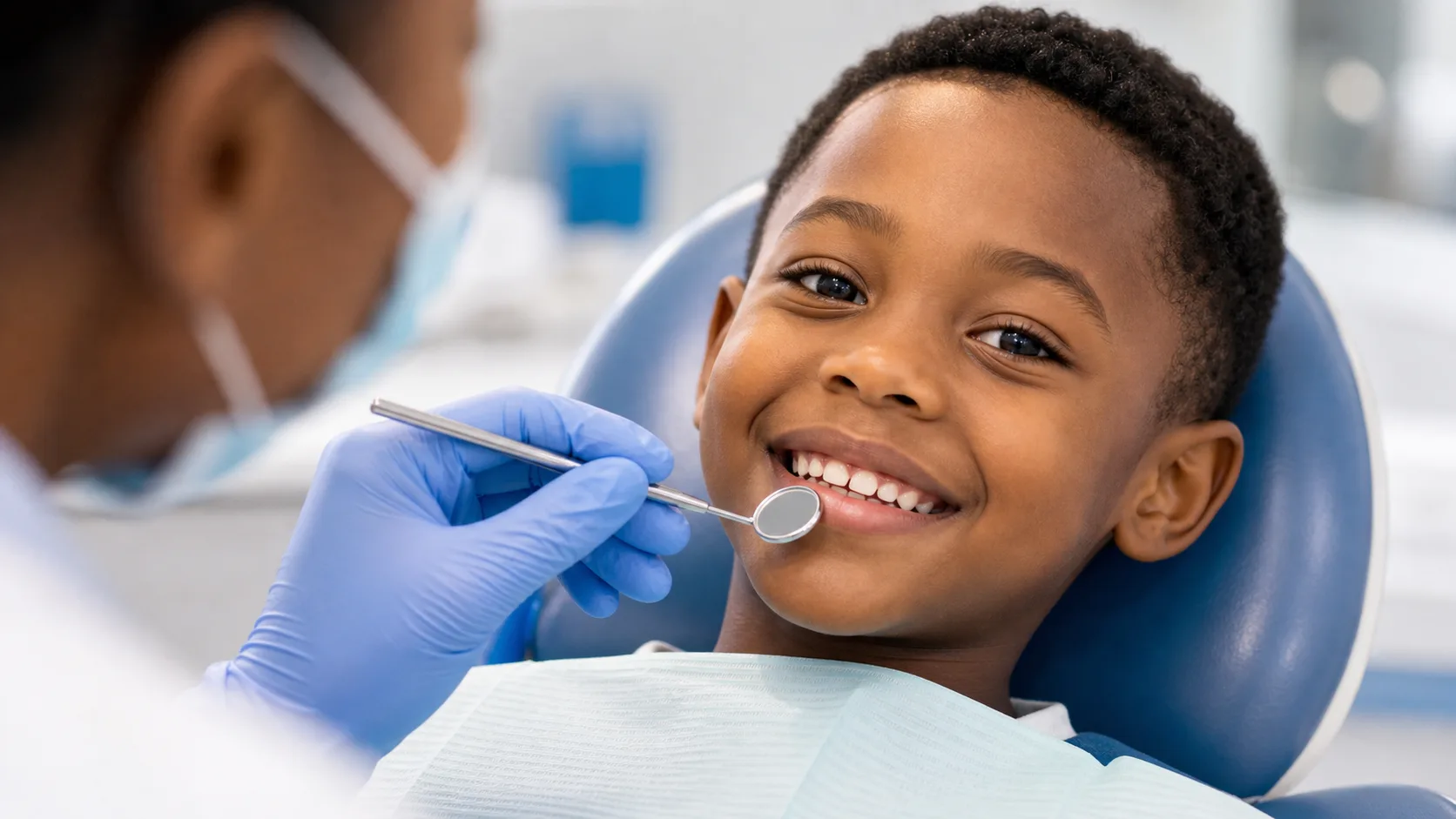
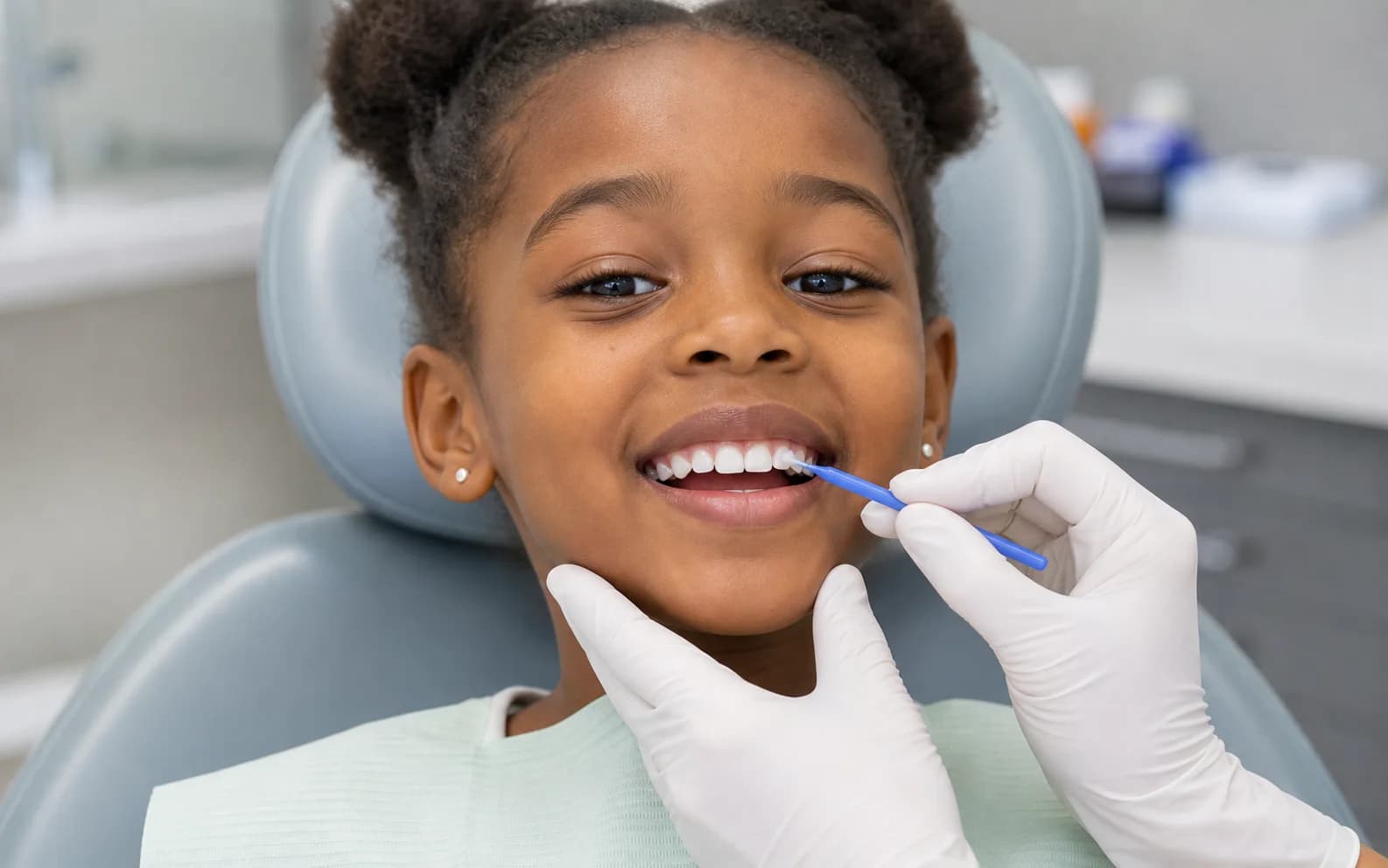
A routine children’s dental visit checks teeth, gums, development and the child’s risk of decay, even when there is no pain. The dentist may review brushing, fluoride and food habits, and discuss preventive care where appropriate. X-rays or treatment are not automatic for every child. The visit also helps establish a comfortable pattern of communication and an individual recall plan.
- Prevention starts before a child can identify a painful tooth.
- Bring the current toothpaste and a realistic routine description.
- The next review date should reflect the child’s needs.
A symptom-free visit has a different opportunity
When nothing hurts, there may be more time to build familiarity and discuss prevention without the pressure of an acute problem. The dentist can look for early changes and track how the teeth are developing. A comfortable child today still benefits from a baseline for future comparison.
The appointment is not a test of whether parents have done everything perfectly. Describe the actual routine, including brushing resistance, school snacks and missed sessions. Honest information makes prevention advice more useful than an idealised account that does not match daily life.
What the dentist may examine
The assessment can include erupted teeth, gums, soft tissues, existing fillings and the developing bite. The dentist may note new permanent teeth, retained baby teeth or areas that are hard to clean. The extent of the examination depends on the child’s age, needs and ability to cooperate.
An X-ray may be useful when it answers a clinical question, but it is not automatically needed at every routine visit. Ask what information it would add. Similarly, a cleaning, sealant or fluoride application should be linked to findings and risk rather than assumed to be identical for every child.
Use the visit to review home prevention
Bring the toothpaste tube or a label photograph and explain how much is used. Ask the dentist to check whether the child needs more adult help with brushing, especially around the back teeth. A demonstration can reveal missed areas that a timer alone would not solve.
Discuss the timing and frequency of snacks and drinks, not only whether the family buys sweets. Sweetened beverages, grazing and drinks after evening brushing can be relevant. The goal is a balanced plan that the family can follow, with any medical or nutritional requirements respected.
| Bring or mention | How it helps |
|---|---|
| Current toothpaste | Checks fluoride and appropriate use |
| Brushing difficulties | Allows a practical technique plan |
| Food and drink pattern | Identifies repeated exposures |
| Health and medicines | Adds relevant risk information |
| Previous dental experiences | Helps the team communicate appropriately |
Prepare without promising a specific outcome
Tell the child the dentist will look at and count the teeth and discuss keeping them healthy. Use calm, simple language. Avoid saying that nothing can hurt or that no treatment will ever be needed; an unexpected finding may make that promise impossible to keep.
If the child has communication needs, sensory sensitivities or a previous difficult experience, inform the practice in advance. Ask how the visit can be prepared. A familiar object or an appointment time when the child usually copes well may help, but arrangements should be confirmed with the team.
Understand prevention recommendations
If fluoride varnish or sealants are suggested, ask which risk or tooth they address. If an early area is being monitored, ask what change would trigger treatment and when it will be reviewed. Monitoring should have a purpose and timeframe rather than mean that the finding is forgotten.
If treatment is recommended despite no pain, ask the dentist to show and explain the finding where possible. Early disease can be painless, but you should still understand the evidence, alternatives and reason for the proposed timing before agreeing to care.
5 ways to prepare for a useful children’s check-up
A routine appointment is an opportunity to learn about your child's mouth, not simply to hear whether there are cavities. You may have questions about brushing, changing teeth, a food habit or a previous difficult visit. Write down the questions that matter most so they are not lost once the appointment begins. Tell the practice beforehand if your child has communication, sensory or support needs that could affect how the visit is arranged.
Preparation should be reassuring without making promises about the outcome. Explain that the dentist will look at the teeth and gums and talk about keeping them healthy. Avoid using another family member's treatment story as a prediction of what will happen. If the child has pain, make that clear when booking because the visit may need a different focus from a routine check. A calm, accurate introduction helps the team start with the child's actual needs rather than an expectation they cannot guarantee.
- Share the relevant history before the examination. Include medical conditions, medicines, allergies, previous dental treatment and any recent symptoms or injuries you want the dentist to assess.
- Bring the main home-care questions. Ask about toothpaste, brushing assistance and awkward areas so the advice relates to the routine your family is actually following.
- Explain what helps your child feel comfortable. Mention useful language, breaks or previous experiences without assuming that every child responds to the same approach or distraction.
- Ask the dentist to explain the findings. Clarify which observations need treatment, which need monitoring and what preventive steps are recommended for your child's current stage.
- Leave with a practical follow-up plan. Know the next review arrangement, any treatment appointments and which changes should prompt you to contact the practice sooner.
Leave with an individual recall plan
Ask when the next appointment should be and what should prompt an earlier call. The interval may change as new teeth erupt, risk improves or new concerns arise. Do not assume every child or sibling needs the same schedule.
Does a check-up always include a filling? No; examination and prevention may be all that is needed. Can you skip visits until the child reports pain? That can miss early problems and development questions. Should baby teeth be checked as carefully as adult teeth? They still need assessment and care appropriate to their role and remaining life.
A routine visit at Smile On Dental can connect the examination with a manageable home plan. Write down the few agreed actions and review date so the appointment leads to practical follow-through.
Our paediatric dentistry page explains children's care at Smile On Dental. For home preparation, helping children feel calm at the dentist offers supportive ideas. Fluoride toothpaste for children and a prevention plan for recurring cavities address common follow-up questions, but the dentist should tailor those recommendations to your child's examination and routine.
- Bring another regular carer into the prevention plan where useful, so advice about brushing and food routines is consistent across the child's day.
- Ask for written instructions if several recommendations are discussed; remembering product details and appointment plans can be difficult while supporting a nervous child.
- Avoid presenting the visit as a test the child can pass or fail; the examination is intended to identify needs and support care.
- If X-rays or another procedure are recommended, ask what question they will help answer and let the clinician explain their relevance to the assessment.
Internal Links
Related dental care
Sources
Useful information

Written by
Dr. Kholofelo Machaba-SelatoleChief Dentist & Practice Director
Dr. Kholofelo Machaba-Selatole leads Smile On Dental & Aesthetic Studio with a warm, patient-focused approach to family, restorative, cosmetic, and orthodontic care.
View Profile