
Quick Answer
You must avoid smoking, vaping, straws, and forceful rinsing because they create negative suction pressure and deliver toxic chemicals that dislodge or dissolve the blood clot inside the extraction socket. Without the clot, the underlying jawbone and sensory nerves are exposed directly to air, food, and bacteria—causing the agonizing, radiating pain of dry socket (alveolar osteitis).
- Dry socket (alveolar osteitis) occurs when the blood clot is dislodged or dissolves prematurely, exposing raw jawbone.
- The suction created by inhaling on a cigarette, vape, or drinking straw pulls the clot out like a cork from a bottle.
- Nicotine constricts peripheral blood vessels, reducing vital blood supply and delaying cellular bone healing.
- Avoid smoking or vaping for at least 72 hours (ideally 5 to 7 days) to allow the socket to epithelialise safely.
Start with the full situation, not one isolated detail
After an extraction, the single most critical biological event is the formation and retention of a stable blood clot. This clot is nature's protective bandage: it covers the raw jawbone, shields exposed sensory nerves, and serves as the scaffold for new bone growth.
If that clot is lost, the bone walls of the socket become dry and exposed. The result is dry socket—a condition characterized by intense, throbbing, radiating pain that over-the-counter painkillers cannot touch.
The useful question is not only whether preventing dry socket from smoking, vaping, and straws is common. It is whether the pattern, timing, location, and associated symptoms point to something that needs prevention, monitoring, repair, or urgent treatment. A dental assessment combines what you have noticed with the condition of the teeth, gums, bite, and existing dental work.
What may explain preventing dry socket from smoking, vaping, and straws
Several explanations can produce a similar experience. Appearance or symptoms at home can narrow the conversation, but they cannot reliably confirm the diagnosis. The dentist looks for a finding that explains the whole pattern rather than choosing treatment from one symptom.
Tell the dental team what changed, when it started, whether it is improving or recurring, and what makes it better or worse. That history helps the examination focus on the most relevant teeth and tissues while still checking for another source.
| Possible factor | Why it may matter |
|---|---|
| Mechanical suction dislodgement (Straws, spitting, vaping) | Negative intraoral pressure physically pulling the gelatinous blood clot out of the bony socket. |
| Chemical clot dissolution (Nicotine & smoke toxins) | Tobacco and vape chemicals breaking down the fibrin matrix of the clot and restricting local blood supply. |
| Bacterial contamination from smoke inhalation | Introducing hundreds of toxic combustion byproducts that foster anaerobic bacterial proliferation in the wound. |
| Exposed alveolar bone nerve pain (Dry socket) | Raw bone and nerve endings exposed to oral fluids, temperature shifts, and air, radiating pain to the ear and temple. |
What the dentist may check
The appointment begins with your symptoms, dental history, medicines, allergies, health conditions, and previous treatment. The clinical examination then tests the possibilities that fit preventing dry socket from smoking, vaping, and straws. An X-ray or another diagnostic step may be used only where it adds useful information.
No single test answers every dental question. Visual findings, gum measurements, bite response, sensitivity testing, imaging, and comparison with nearby teeth are interpreted together. If the source is uncertain, the safest plan may include review or referral before irreversible treatment.
| Check | What it helps establish |
|---|---|
| Socket inspection for exposed white bone | Looking for an empty, dry socket opening where the dark red blood clot is missing and white bone is visible. |
| Pain onset and radiation mapping | Identifying the classic dry socket signature: severe throbbing pain starting on day 2 or 3 radiating to the ear. |
| Odor and foul taste evaluation | Checking for the characteristic fetid odor of alveolar osteitis caused by necrotic tissue breakdown. |
| Differential diagnosis ruling out true infection | Distinguishing dry socket (uninfected exposed bone) from a true bacterial abscess with swelling and pus. |
How the next step is chosen
Preventing dry socket is 100 times easier than enduring it. Avoiding straws, spitting, and smoking for the first 3 to 5 days ensures your socket heals comfortably without emergency visits.
The recommended option should match the diagnosis, the amount of healthy tooth and gum support, the urgency, your wider health, and whether the result can be maintained. Ask the dentist to distinguish treatment needed to control disease from elective improvements that can safely wait.
A complete plan should include any temporary stage, definitive procedure, final restoration, and review. If care is staged, confirm what protects the area between visits and which change means the next appointment should be brought forward.
| Possible next step | When it may enter the discussion |
|---|---|
| Strict 72-hour suction & smoking cessation | Completely refraining from cigarettes, vapes, hookahs, straws, and spitting for at least 72 hours post-op. |
| Nicotine patch alternative during recovery | Using transdermal nicotine patches if nicotine cravings are intense to eliminate suction and smoke exposure. |
| Clinical Dry Socket Treatment: Medicated Sedative Dressing | If dry socket occurs, the dentist gently cleans the socket and places a soothing eugenol dressing (Alveogyl) for instant relief. |
| Prescription analgesic support | Providing targeted pain management while the medicated dressing allows new tissue to cover the bone. |
Turn the diagnosis into a complete care plan
A useful plan for preventing dry socket from smoking, vaping, and straws should connect every recommended step to a finding from the examination. Ask the dentist to separate what controls active disease or immediate risk from what restores function, improves appearance, or prevents recurrence. That distinction makes it easier to understand why one step comes before another.
Confirm whether treatment can be completed in one appointment or requires a temporary stage, laboratory work, healing, specialist input, or a final restoration. If several visits are involved, ask what protects the tooth or gum between them, which activities or foods should be limited, and whom to contact if the temporary stage changes.
Long-term value also depends on maintenance. Discuss how the area will be cleaned, which review findings show that treatment is working, what can fail over time, and whether future repair is possible. Where cost affects timing, request a written sequence that identifies the urgent phase, the definitive phase, and any later elective or replacement decision.
Record the diagnosis and agreed sequence in language you understand. If more than one option is suitable, compare expected durability, maintenance, recovery, limitations, and the likely result of delaying each choice. A clear written plan also helps another clinician understand what has already been assessed if you need urgent care or continue treatment at a different practice.
What to do before the appointment
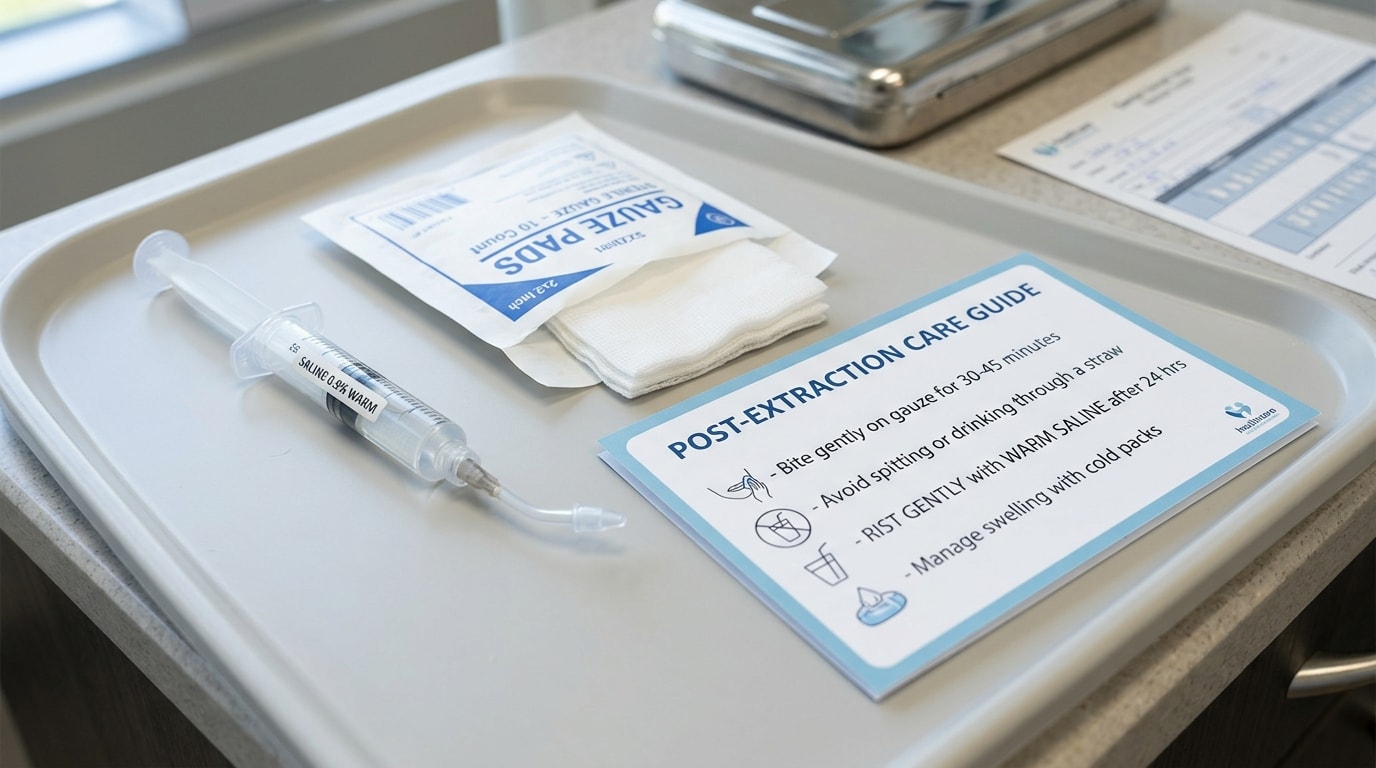
If you smoke or vape, use this surgery as an opportunity to pause. If you must use nicotine, use a patch. Drink all liquids by sipping gently from an open cup. If saliva accumulates, swallow normally.
Home care should protect the area without hiding a worsening problem. Avoid scraping, forcing tools, applying chemicals to teeth or gums, or using someone else’s prescription. Use only medicines that are safe for you and follow the label or advice from a qualified healthcare professional.
Keep the appointment even if the symptom settles. A changing symptom is still useful evidence, and temporary improvement does not prove that decay, inflammation, infection, a crack, or a gum problem has resolved.
- Be completely honest with your dentist about whether you smoke, vape, or use cannabis.
- Purchase nicotine patches prior to your surgery if you are worried about smoking cravings.
- Understand that smoking on Day 1 or Day 2 increases dry socket risk by over 400%.
- Have the practice's emergency contact details ready in case dry socket pain develops.
Questions that make the plan clearer
Good questions connect the proposed care to a specific finding. Ask what the dentist can confirm today, what remains uncertain, and what would change the recommendation. This is more useful than comparing procedure names without knowing whether they address the same diagnosis.
Also ask about the full sequence, likely review point, maintenance, alternatives that are clinically suitable, and the consequences of waiting. Where cost matters, request an estimate that covers the complete plan rather than only the first urgent or temporary stage.
- What is my individual risk of dry socket based on the location and difficulty of my extraction?
- How many days must I strictly avoid vaping or smoking to be in the safe zone?
- What should I do immediately if I suspect my blood clot has come out?
- How quickly can your clinic place a medicated dressing if I develop dry socket pain?
When to arrange faster care
Move the appointment forward when symptoms are worsening, affecting sleep or eating, or accompanied by swelling, pus, a bad taste, fever, trauma, uncontrolled bleeding, or increasing difficulty opening the mouth. Describe these changes when booking so that the practice can triage the situation.
Difficulty breathing, swallowing, or speaking, extensive mouth or neck swelling, swelling affecting an eye, severe facial trauma, confusion, or uncontrolled bleeding can require emergency medical help. Do not wait for an ordinary dental appointment when airway, vision, consciousness, or general health may be affected.
Without emergency signs, persistent or recurring preventing dry socket from smoking, vaping, and straws still deserves assessment. Early diagnosis usually gives the dentist more information and may preserve more conservative choices than waiting for a crisis.
- A sudden, severe throbbing ache starts on Day 2 or 3 and radiates into your ear, temple, or neck.
- You look in the mirror and see a dry, empty hole where the dark blood clot used to be.
- An intense, foul taste and bad breath fill your mouth that salt water cannot rinse away.
Internal Links
Related dental care
Sources
Useful information

Written by
Dr. Kholofelo Machaba-SelatoleChief Dentist & Practice Director
Dr. Kholofelo Machaba-Selatole leads Smile On Dental & Aesthetic Studio with a warm, patient-focused approach to family, restorative, cosmetic, and orthodontic care.
View Profile