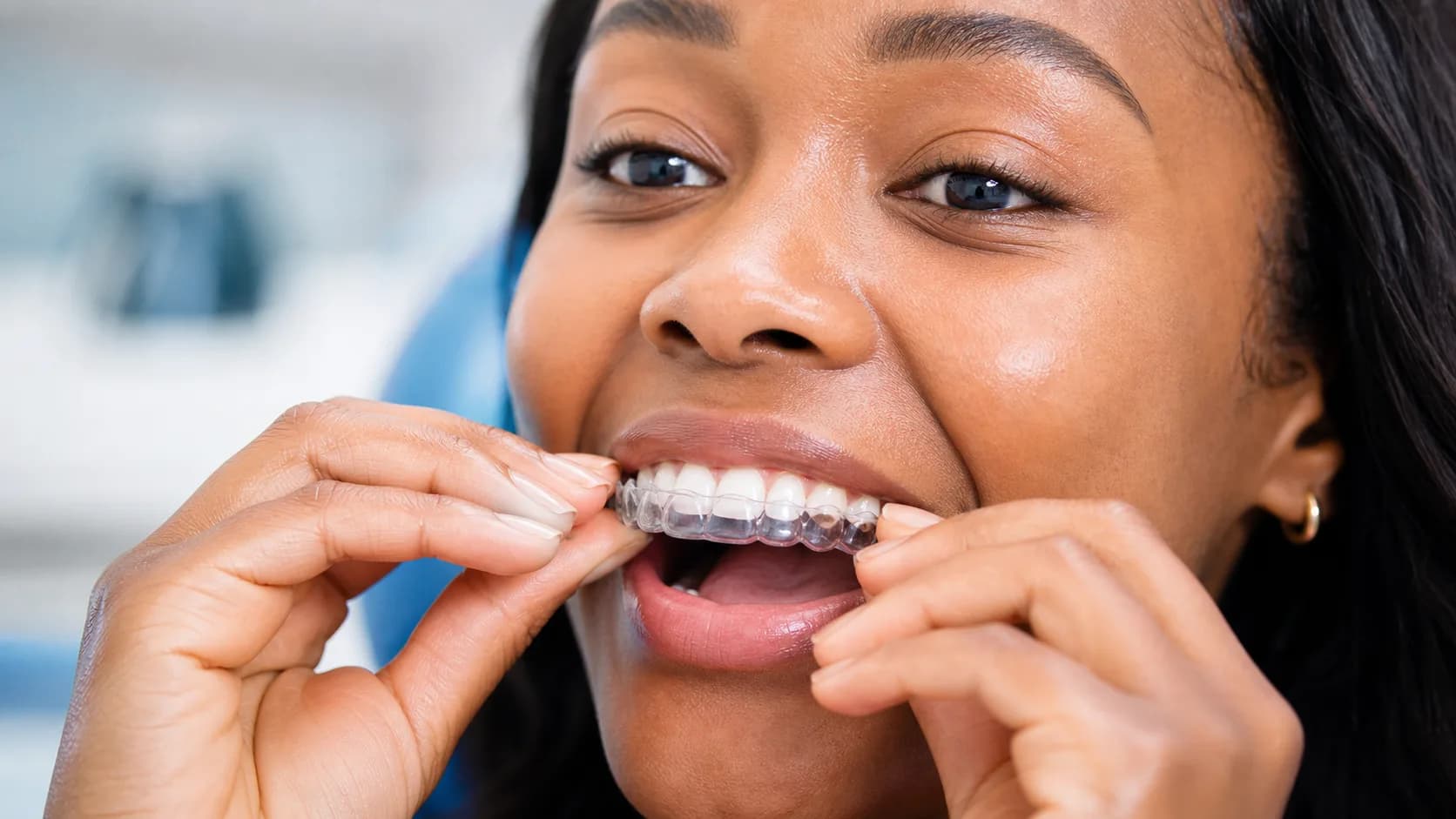

Quick Answer
An adult braces assessment looks beyond the front teeth to the bite, gums, supporting bone, existing dental work and your treatment goals. Records such as photographs, scans or X-rays may be needed when clinically justified. The visit establishes options and limitations; it does not automatically mean braces will be fitted that day or that every case can use the same appliance.
- Healthy supporting tissues matter before teeth are moved.
- Crowns, implants and previous treatment belong in the history.
- Ask about retention and ongoing visits at the beginning.
Describe the change you want in everyday terms
Explain whether crowding, gaps, a shifted tooth, cleaning difficulty or the bite is the main concern. Bring examples if they help, but avoid assuming that a photograph of another person’s smile defines a suitable result for your teeth. Your starting position and supporting tissues may be different.
Mention practical constraints such as work travel, a move, public speaking or difficulty maintaining routines. These details help assess how a plan could fit your life. They should be considered alongside clinical suitability rather than used to select an appliance before the examination.
Expect the whole mouth to be assessed
Even when only one front tooth bothers you, moving it can affect neighbouring teeth and how the upper and lower arches meet. The clinician checks more than the visible irregularity. Gum health, tooth support, decay and existing restorations can influence whether treatment should start or other care should come first.
Adults may have a longer history of fillings, tooth loss, gum treatment or grinding. Tell the team about previous orthodontics and whether retainers were used. A tooth that has had trauma or root canal treatment should also be identified so that its history is included in planning.
Records should answer planning questions
Photographs, scans, models and X-rays may help assess alignment, roots, bone and the bite. Not every patient requires the same records. Ask what information a proposed image will provide and how it affects the decision. Bring previous records if they are available and relevant.
The final recommendation may require review of these records rather than being made instantly at the first consultation. That is not necessarily a delay without purpose. It can be part of determining what movements are appropriate, whether referral is needed and what limitations should be discussed.
| Assessment area | Why it matters |
|---|---|
| Gums and support | Determines whether movement is appropriate |
| Bite | Connects alignment with function |
| Restorations and missing teeth | Can change the treatment sequence |
| Records | Help plan and explain movements |
| Daily routine | Affects practical appliance use |
Compare options and their limitations
Fixed braces, clear aligners or another approach may be considered depending on the problem. A discreet appliance is not automatically suitable for every movement, and a visible brace is not automatically more appropriate. Ask why the proposed option fits your case and what compromises might remain.
Discuss whether the plan addresses both arches, whether extra space is needed and whether other dental work should be coordinated. Do not assume that implants can move like natural teeth or that a front-only cosmetic goal can be planned without examining the bite.
Understand the ongoing commitment
Treatment involves reviews, cleaning, possible repairs and retention after active movement. Ask how appointments are arranged, what to do if an appliance breaks and how travel could affect follow-up. For removable aligners, discuss the daily wear commitment honestly rather than assuming motivation will solve every routine difficulty.
Confirm what the quotation includes and which circumstances may change it. A comparison should consider records, appointments, repairs where relevant and retainers, not only the fitting fee. No exact cost or duration can be established reliably without the individual plan.
5 priorities to discuss at an adult braces assessment
An adult may arrive wanting one crowded tooth straightened and leave with questions about the whole bite, gum health and previous dental work. That broader discussion is part of planning, not a reason to assume that treatment must become more extensive. The assessment should explain which findings matter to the proposed movement and which choices are optional. Existing crowns, missing teeth or earlier orthodontic treatment can also affect the conversation and should be mentioned from the start.
Think about what you want treatment to change in daily life. Appearance may be the main concern, but cleaning, chewing comfort and the practicality of appointments can matter too. Bring those priorities to the consultation rather than choosing an appliance entirely from photographs. The best plan for you must be clinically appropriate and manageable. It should also include the maintenance and retention responsibilities that continue after active tooth movement, so the decision reflects the whole course of care.
- Describe your main concern specifically. Point out the teeth or bite feature that bothers you and explain whether the priority is appearance, function, cleaning or a combination.
- Share your dental history. Mention gum treatment, missing teeth, restorations and previous braces or retainers, including any records you can obtain from an earlier practice.
- Compare suitable options after assessment. Ask why a particular appliance is recommended and what limitations would remain if you chose a different approach or no treatment.
- Discuss the practical commitment. Clarify visits, cleaning, food precautions and what to do about breakages, especially if your work or travel makes appointments difficult to arrange.
- Ask about completion and retention. Understand how progress is reviewed, what could alter the plan and which retainers or follow-up arrangements may be recommended afterwards.
Questions to leave with answered
Ask what can realistically improve, what may remain unchanged, which risks are relevant and how progress will be reviewed. Clarify who will provide treatment and whether specialist referral is recommended. You should understand the plan well enough to explain why it is proposed, not merely remember the appliance name.
Is there an age at which braces are automatically impossible? Suitability depends on the individual mouth and health, not a simple adult age cut-off. Can treatment start with untreated gum disease? Supporting tissues need appropriate assessment and management first. Will the result stay fixed forever without retainers? Long-term retention is an important part of planning.
A Smile On Dental consultation can help establish the appropriate next assessment and discuss available care. Bring your previous dental history, priorities and scheduling constraints so the conversation covers the full treatment journey.
The braces and clear aligners pages introduce the main treatment pathways, while retainers explain an important part of longer-term care. Once fixed braces are planned, our guide to cleaning fixed braces can help you understand the daily routine before the appliance is fitted, rather than learning it under pressure afterwards.
- Request a written breakdown of the proposed fees and what is included, rather than assuming every review, repair or retainer is covered by one headline price.
- Tell the clinician about any unresolved toothache or bleeding gums so treatment planning does not overlook a health concern while focusing on alignment.
- Avoid treating another person's treatment duration as your estimate; the assessment should explain the factors relevant to your teeth and proposed movements.
- Ask who will provide care and how to reach the team between appointments, particularly if you move city or expect to travel during treatment.
Internal Links
Related dental care
Sources
Useful information
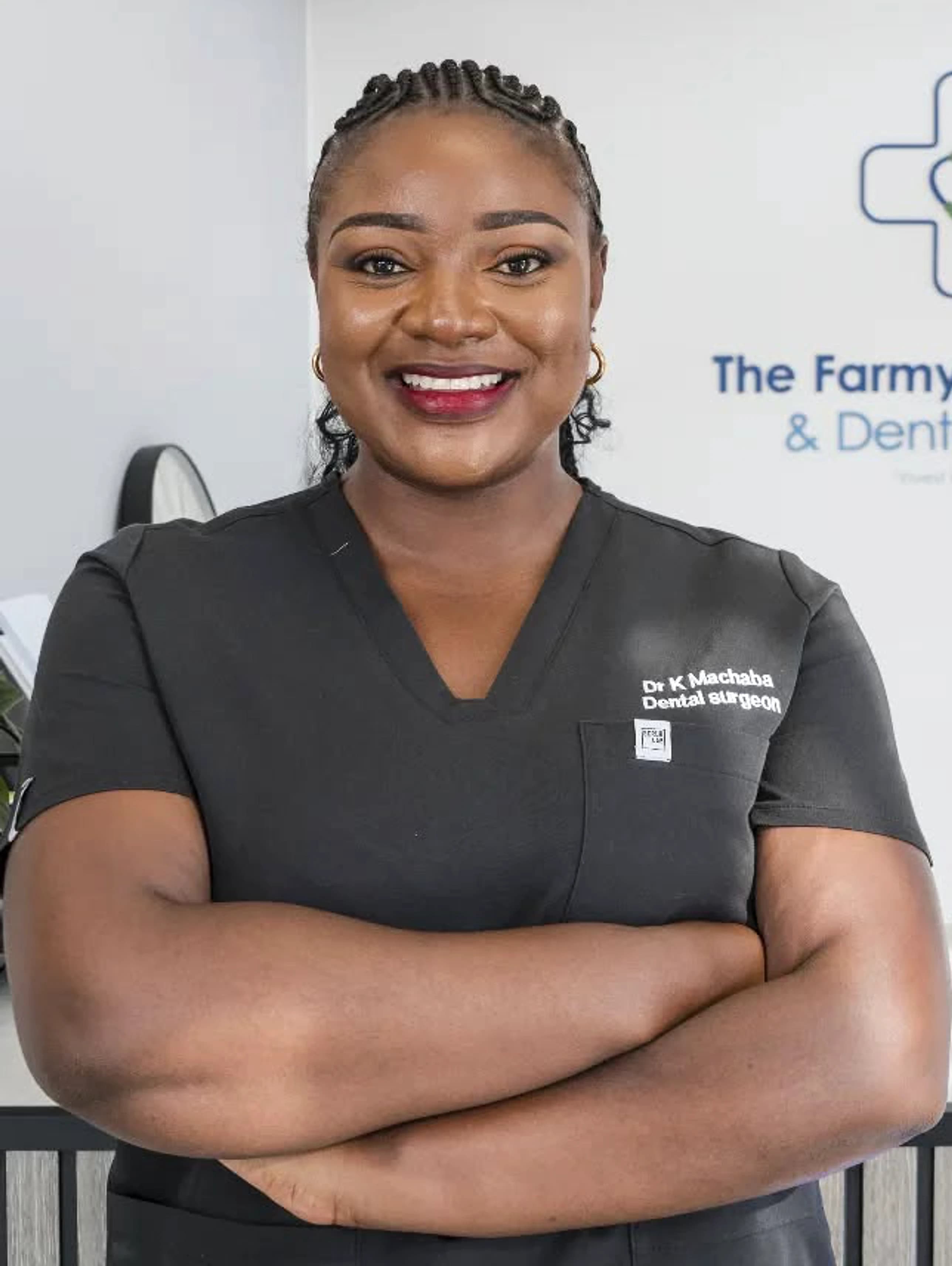
Written by
Dr. Kholofelo Machaba-SelatoleChief Dentist & Practice Director
Dr. Kholofelo Machaba-Selatole leads Smile On Dental & Aesthetic Studio with a warm, patient-focused approach to family, restorative, cosmetic, and orthodontic care.
View Profile