Quick Answer
A child taking part in activities with a risk of mouth injury should have an appropriate sports mouthguard. Erupting teeth, growth and braces can change the fit, so the guard needs regular checks and may need replacement. Ask the dentist which design suits the child’s current mouth and sport. A night guard is not automatically a suitable substitute for impact protection.
- Choose for the sport and current dentition.
- A guard must fit well enough to stay in place and be used.
- Review fit when teeth erupt, braces change or the guard becomes damaged.
Start with the activity and its risks
Contact sport is an obvious setting for mouth protection, but falls or accidental impacts can also occur in other activities. Tell the dentist which sport the child plays, their position where relevant and any previous mouth injury. School or club rules may set additional requirements.
A mouthguard is one part of protection, not a guarantee against every injury. Appropriate coaching, equipment and rules still matter. Do not assume that a guard removes the need to assess a tooth after a significant impact.
Growing teeth make fit a moving target
A child’s mouth changes as baby teeth are lost and permanent teeth erupt. A guard that fitted earlier in the season may become tight, loose or uncomfortable. Braces and orthodontic adjustments add another reason to check suitability.
Ask how the design allows for the current stage and how often it should be reviewed. There is no single replacement interval that suits every growing child. New eruption, a changed bite or a guard that no longer seats comfortably should bring the review forward.
Compare available options without assuming one suits everyone
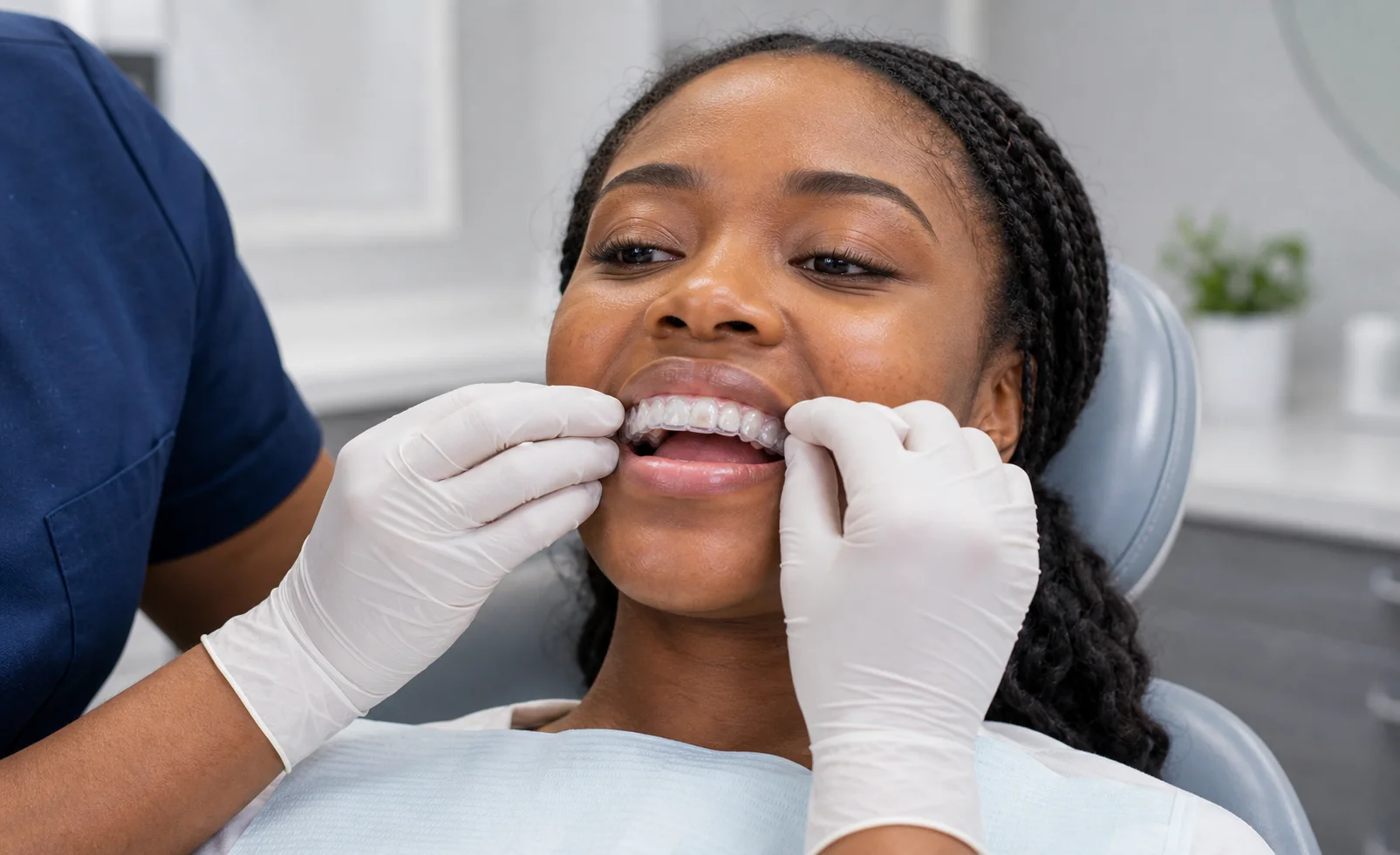
Stock, mouldable and custom-made guards differ in fit and construction. The dentist can discuss an appropriate choice for the child, sport and dentition. The decision should consider whether the child can breathe and speak adequately and whether the appliance stays in position without constant clenching.
Do not alter a guard around braces with household tools or heat unless the specific product instructions and treating team support that process. A design appropriate before orthodontic treatment may no longer be suitable once brackets and wires are present.
| Check | Reason |
|---|---|
| Retention | The guard should stay in place appropriately |
| Comfort | Pain discourages consistent use |
| Breathing and speech | Important for practical participation |
| Teeth and braces | Growth and appliances affect fit |
| Wear or cracks | Damage can reduce usefulness and irritate tissues |
A sports guard and a night guard have different roles
A night guard is generally designed around a different problem, such as protecting teeth in a grinding-management plan. A sports mouthguard is intended for impact protection. Their materials and designs should not be treated as interchangeable merely because both sit over teeth.
If the child already has an oral appliance, bring it to the consultation and ask what each device is for. Do not layer appliances together or substitute one for another without advice. The treating team should coordinate this when braces, retainers or other devices are also involved.
Clean, store and inspect the guard
Follow the material-specific cleaning instructions and keep the guard in a suitable protective container. Avoid excessive heat and do not leave it loose in a sports bag where it can become damaged or dirty. Check for tears, sharp edges and changes in fit.
Children may chew on the guard, which can damage it and alter its function. Explain its purpose and ask the dentist about any persistent difficulty keeping it in place. A device that spends the match in a pocket provides no protection, so comfort and practical use are essential.
5 checks for a growing child’s sports mouthguard
A mouthguard that was comfortable last season may need reassessment as teeth change and the child grows. The fact that it can still be pushed into place does not establish that it fits appropriately or offers the intended protection. Ask the dental team about the appliance and the sport involved, particularly if the child is losing baby teeth, has new permanent teeth or has started orthodontic treatment. Those changes are relevant to the fit discussion.
Practical use matters as well as selection. A child who keeps removing the mouthguard because it feels bulky or uncomfortable may need help with the fit rather than repeated reminders to wear it. Bring the appliance to the appointment and describe when it causes difficulty. Coaches and carers should also understand the agreed routine and where the mouthguard is kept. Protection is easier to maintain when the equipment is available, in suitable condition and comfortable enough to use as advised.
- Explain the sport and level of contact. The dentist needs to understand the activities involved before discussing an appropriate mouthguard and the practical requirements for use.
- Check comfort and retention with the clinician. Report slipping, rubbing or a need to hold the appliance in place rather than assuming discomfort is inevitable.
- Mention changing teeth or orthodontic appliances. A new tooth, loose baby tooth or fitted brace can affect the review and should not be ignored between sports seasons.
- Review condition and cleaning. Ask how to care for and store the mouthguard, and show any damage instead of attempting to trim or reshape it yourself.
- Agree when to reassess it. Use the child's dental changes, appliance condition and professional advice to guide review rather than relying only on an annual shopping routine.
Know what to do after an impact
A significant blow, a broken tooth, looseness, bleeding or a changed bite needs appropriate dental assessment even if the mouthguard was worn. If a tooth is knocked out, seek urgent advice immediately because management is time-sensitive and differs between baby and permanent teeth. Never reinsert a knocked-out baby tooth.
Does a custom guard last through every stage of growth? No; it still needs review. Can a child wear the same guard after braces are fitted? Ask the treating clinician before doing so. Is a small uncomfortable guard better than none? A poorly fitting appliance needs replacement or adjustment advice, not forced use.
Bring the guard to a Smile On Dental appointment along with details of the sport. The useful plan is one that protects the current mouth, can be maintained and is actually worn during the activity.
A paediatric dentistry appointment can include discussion of changing teeth and sports protection. The braces guide is relevant when orthodontic appliances affect the plan. If an injury occurs, emergency dental care and broken tooth repair explain the treatment pathways; a mouthguard assessment does not replace urgent attention to a damaged tooth.
- Label and store the mouthguard appropriately so it does not become mixed with another child's appliance or disappear into loose sports equipment.
- Tell the dentist if the child cannot speak or breathe comfortably while using it, and ask for assessment rather than accepting poor function.
- Do not assume that a mouthguard eliminates every injury risk; know how to seek prompt care if a tooth is damaged during sport.
- After a significant impact, report symptoms and appliance damage even if the mouthguard looks mostly intact and the child wants to return immediately.
Internal Links
Related dental care
Sources
Useful information

Written by
Dr. Kholofelo Machaba-SelatoleChief Dentist & Practice Director
Dr. Kholofelo Machaba-Selatole leads Smile On Dental & Aesthetic Studio with a warm, patient-focused approach to family, restorative, cosmetic, and orthodontic care.
View Profile